Bee Cave, Lakeway
Garage Door Maintenance for Bee Cave Homes
Bee Cave sits 4 miles from our Lakeway shop, and its newer 2012-era builds need different maintenance than the older stock we see elsewhere. Here's what that drive and that housing age mean for your door.
Why This Fails Locally
Bee Cave is a short run from our Lakeway shop, about 4 miles, which means we're not burning half a service window just getting to the truck's parked spot. That matters less for the job itself than you'd think, though, because what actually fails on a Bee Cave door has more to do with when the house went up than how far we drove to reach it.
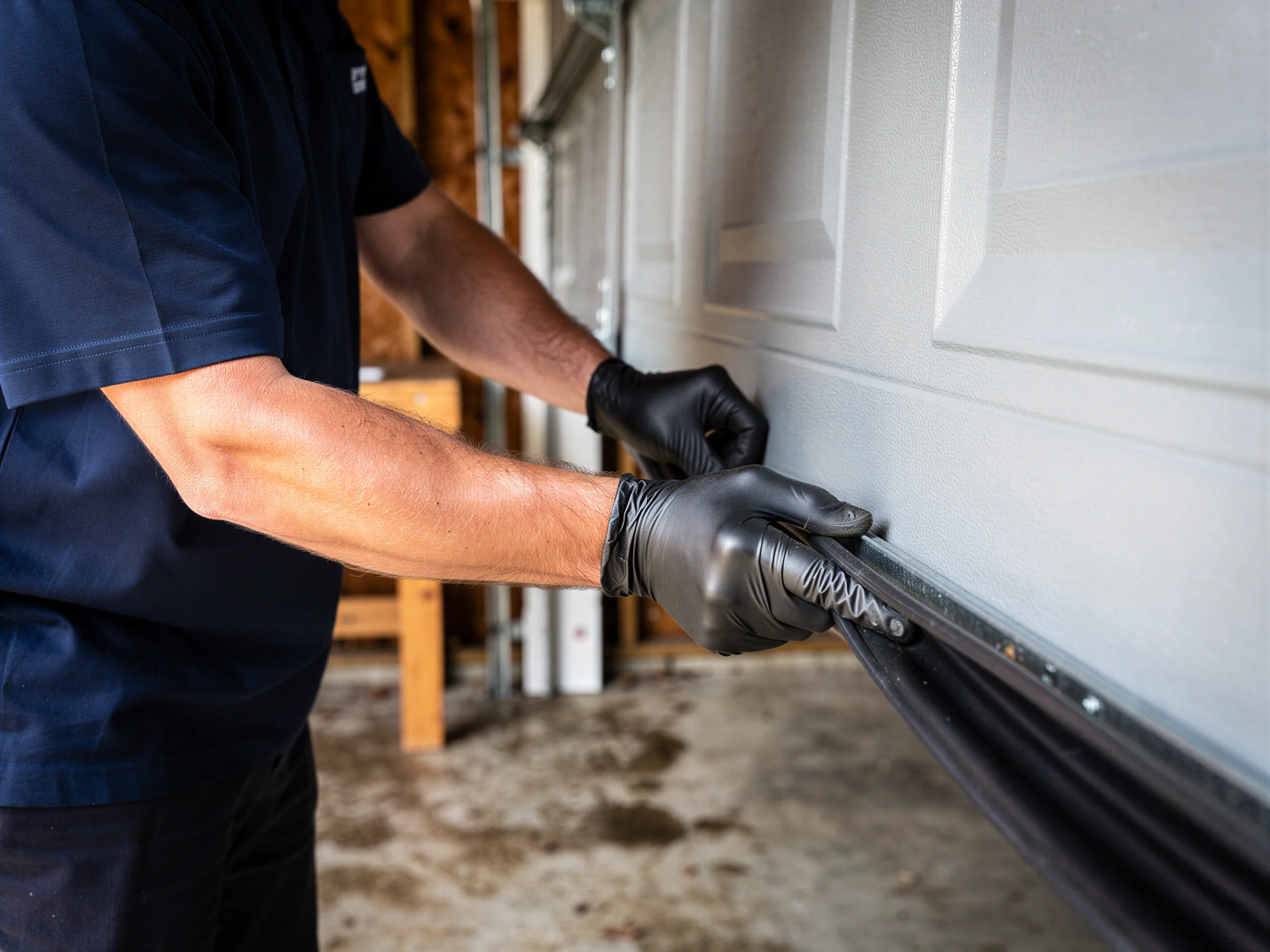
Most of the housing stock across our service area centers on a 2001 median build year, spanning construction from 1980 through 2014. Bee Cave skews newer than that average, closer to 2012. That difference changes what we see on a maintenance call. Instead of the older extension-spring setups and heavier steel panels common in the area's 1980s and 90s builds, Bee Cave garages are more likely to have factory-installed torsion systems, lighter insulated panels, and newer opener logic boards. The failure points shift too: less rust-frozen hardware, more worn nylon rollers and opener sensors that have never been re-aimed since installation. A newer door doesn't mean a maintenance-free door. It means a different set of things to check.
Getting It Booked In
Because we're covering Bee Cave from Lakeway rather than running a branch out of it, we schedule these visits in blocks rather than one-offs when we can, which keeps the trip efficient for both of us.
No local depot here
There's no local depot here and no separate crew - it's the same truck and the same techs who cover the rest of our area, just a short drive over. We don't advertise a fixed response window for Bee Cave specifically, since that depends on where else we're routed that day.
Distance does not matter
What we can tell you is that the distance itself isn't the limiting factor. A 4-mile trip doesn't change how we book a maintenance visit compared to calls closer to the shop.
Mention newer build
If you're on a newer build in this part of the service area, say so when you call - it helps us bring the right rollers and lube for newer hardware instead of parts sized for older torsion drums.
The Cost of This Job
We don't publish a flat number for maintenance because the job itself varies, but the economics in Bee Cave do tilt in one direction. With median household income here at $113,157, and median income across the broader service area at $127,595, Bee Cave households sit a bit below the area's high end, though still well above what would make deferred maintenance the cheaper option.
A maintenance visit - lubrication, hardware check, balance test, opener safety check - costs a fraction of a spring replacement or a track realignment job done after something actually breaks. On a newer door with factory hardware, most of what we find in Bee Cave is preventable wear: dry rollers, a drifted opener force setting, a cable starting to fray at the drum. Catching that on a maintenance call is cheap. Catching it after the door comes off the track is not.
How We Fix It
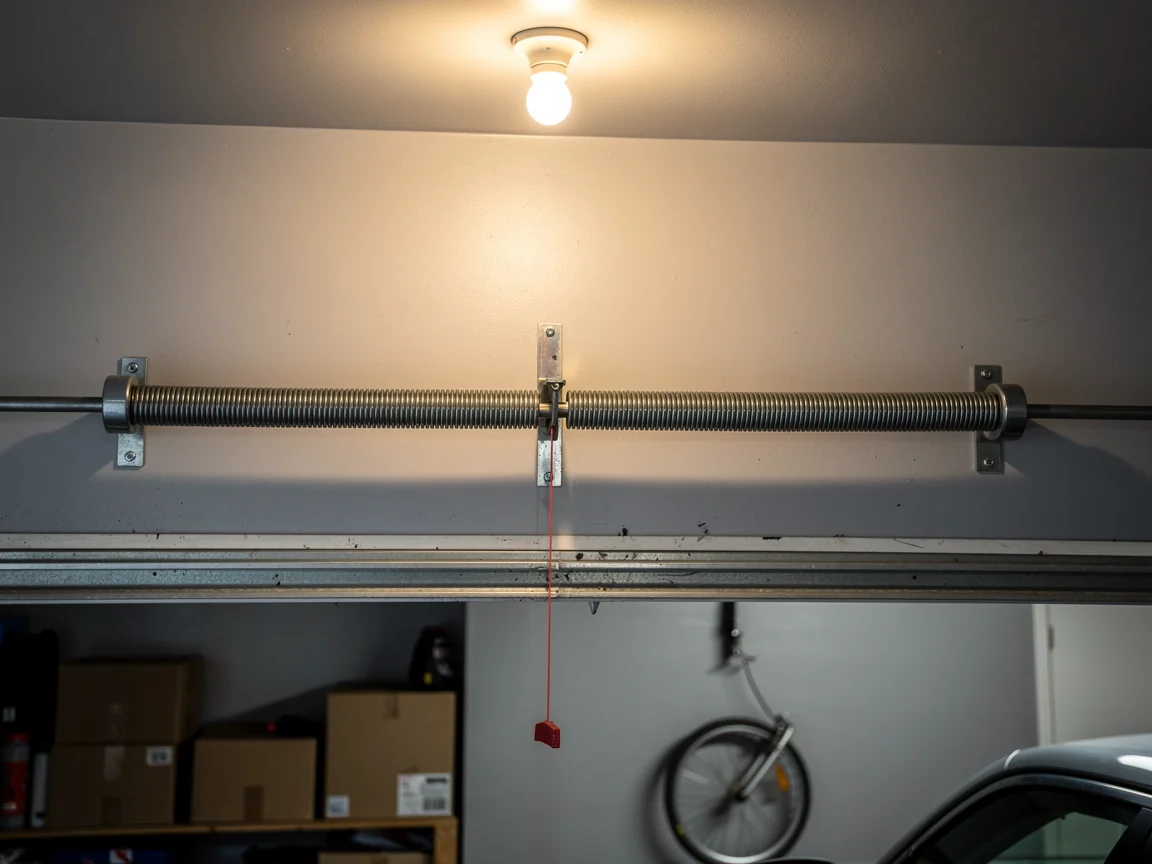
On a 2012-era build, the maintenance visit usually starts the same way regardless of which Bee Cave house we're at: check spring tension and balance first, since torsion springs on newer doors are still wound to factory spec unless someone's been in there.
Insulated panel hinge stress
From there it's rollers, hinges, and track alignment - lighter insulated panels show stress at the hinges faster than older heavy steel ones, so that's where we look closest. Openers get a separate pass.
Sensor and force tuning
Newer logic-board openers in this area tend to need sensor realignment and force-setting adjustment more than the belt or chain itself. We test the auto-reverse safety feature every visit; it's a five-minute check and it's the one thing on this job we won't skip, no matter how clean the rest of the door looks.
Spring replacement threshold
The honest limit here: if a torsion spring has already lost significant tension or shows visible gaps between coils, that's not a maintenance fix. That's a replacement, and we'll tell you so instead of patching it.
Parts We Carry
For the newer hardware common in Bee Cave, we carry nylon rollers, standard hinge sets, and the lighter-gauge cable sized for torsion systems built since the early 2000s. Lubricant and sensor hardware for common opener brands ride on the truck as standard stock, since re-aiming a drifted safety sensor is one of the most frequent fixes on a maintenance call here.
What we don't carry as standard stock is anything sized for the heavier extension-spring systems and older steel panel types more common on the oldest end of the area's 1980-2014 build range. If your Bee Cave house is an outlier on the older side, we may need to order a part rather than pull it off the truck - we'll tell you that up front on the call rather than after we've opened the door up.
Questions
Common questions
How often should a newer Bee Cave garage door get maintenance?
Once a year is reasonable for a door built in the 2000s or later, since factory hardware holds up well early on. The main things that drift on a newer door are opener sensor alignment and roller wear, both of which show up gradually rather than with a sudden failure, so annual is usually enough unless you notice the door getting noisy or slow.
Does the drive from Lakeway affect how maintenance is scheduled?
Not in a way that changes cost or availability. The trip from our shop to Bee Cave is about 4 miles, which is short enough that it doesn't factor into scheduling the way longer runs in the service area sometimes do. We book it like any other nearby stop.
Is a newer garage door less likely to need repair?
Less likely to need major repair, yes, but not maintenance-free. Newer torsion systems and lighter panels fail differently than older heavy steel doors - less rust and stuck hardware, more worn rollers and opener sensors that need periodic re-aiming.
What if my Bee Cave house is older than most in the area?
We still service it, but we may not have every part for older extension-spring or heavier panel systems sitting on the truck. We'll let you know on the call if that's the case so we can bring the right part the first time instead of making a second trip.
Explore more
More Services in Bee Cave
Cable Repair
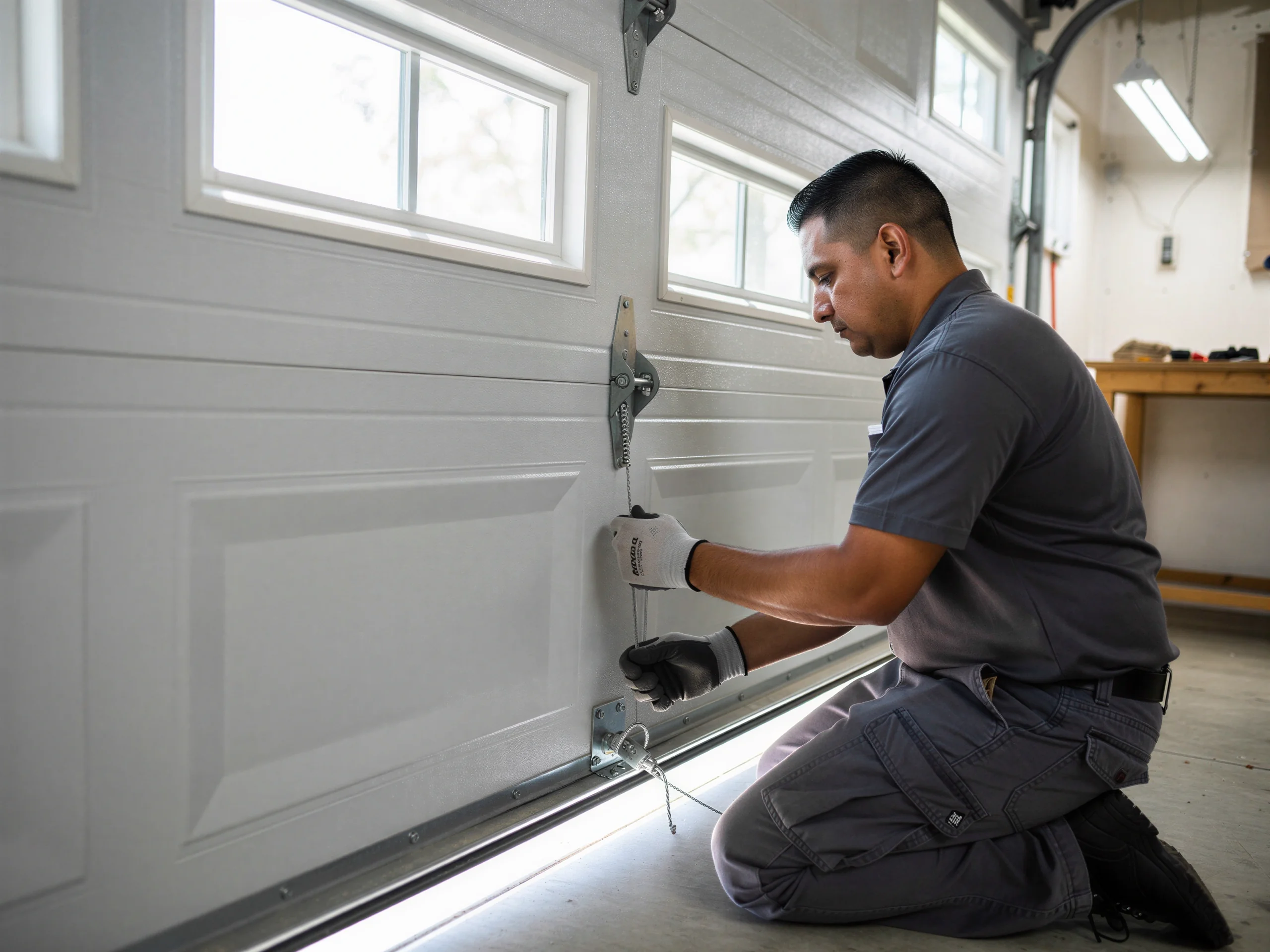
Bee Cave homes mostly went up around 2012, which means factory-spec cables now hitting the end of their service life. Learn more →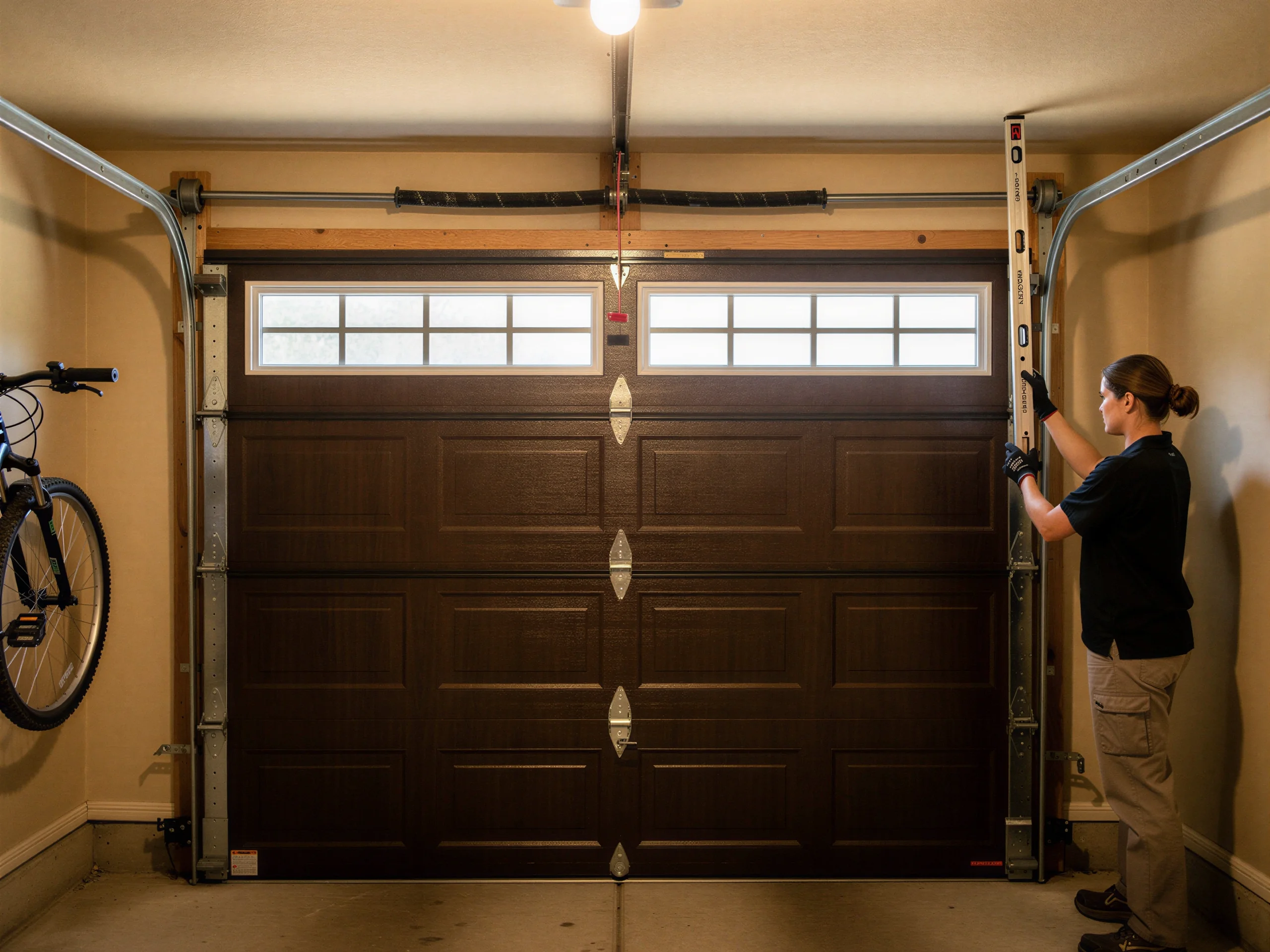
Garage Door Repair
Bee Cave homes mostly went up around 2012, and that means original torsion springs are hitting the end of their cycle life right now. Learn more →
Garage Door Service
Bee Cave homes mostly date to 2012, so the springs and openers are original factory parts nearing the end of their rated cycle. Learn more →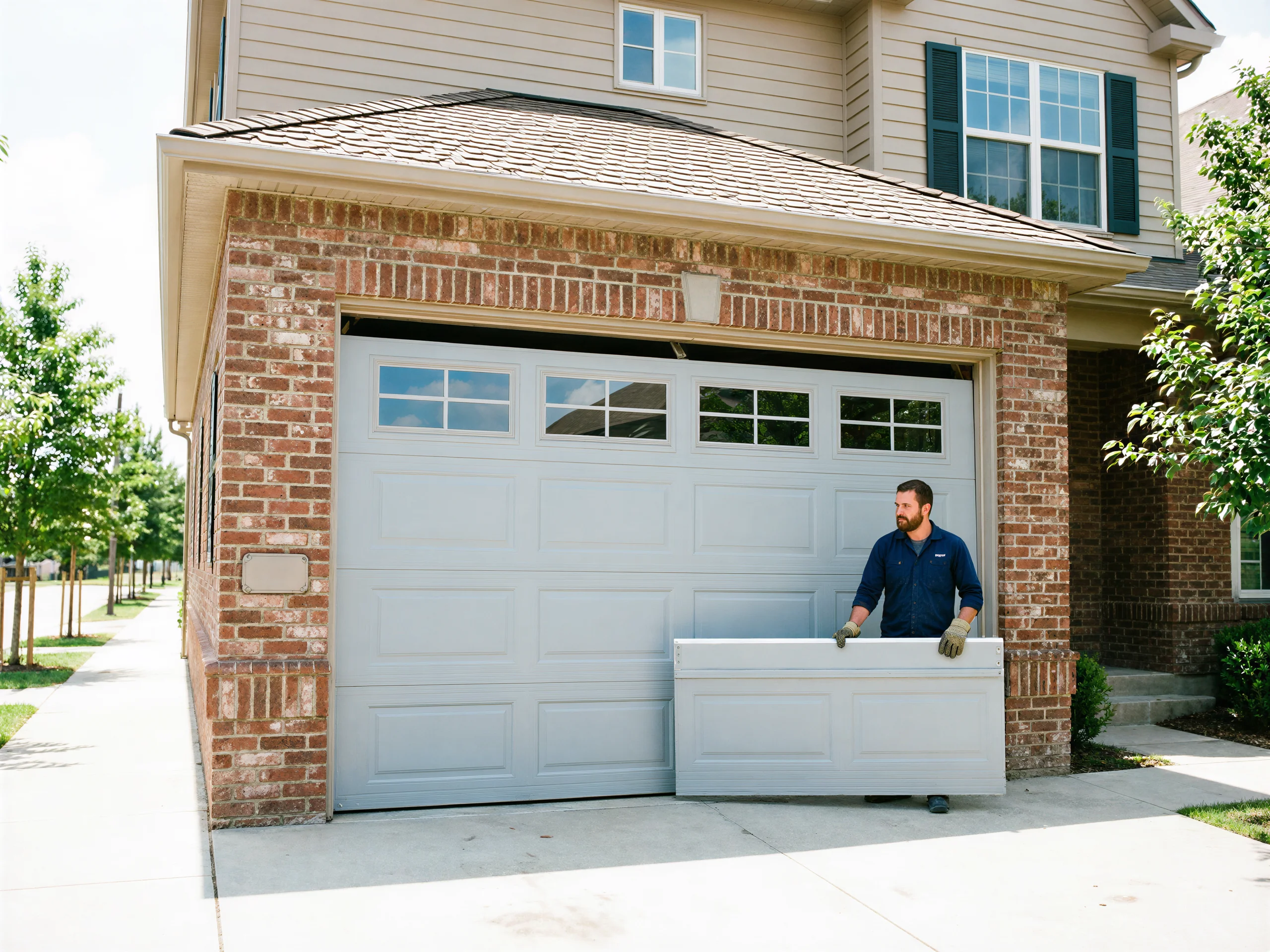
New Door Installation
Most Bee Cave garages still carry the builder's original 2012-era steel door. Learn more →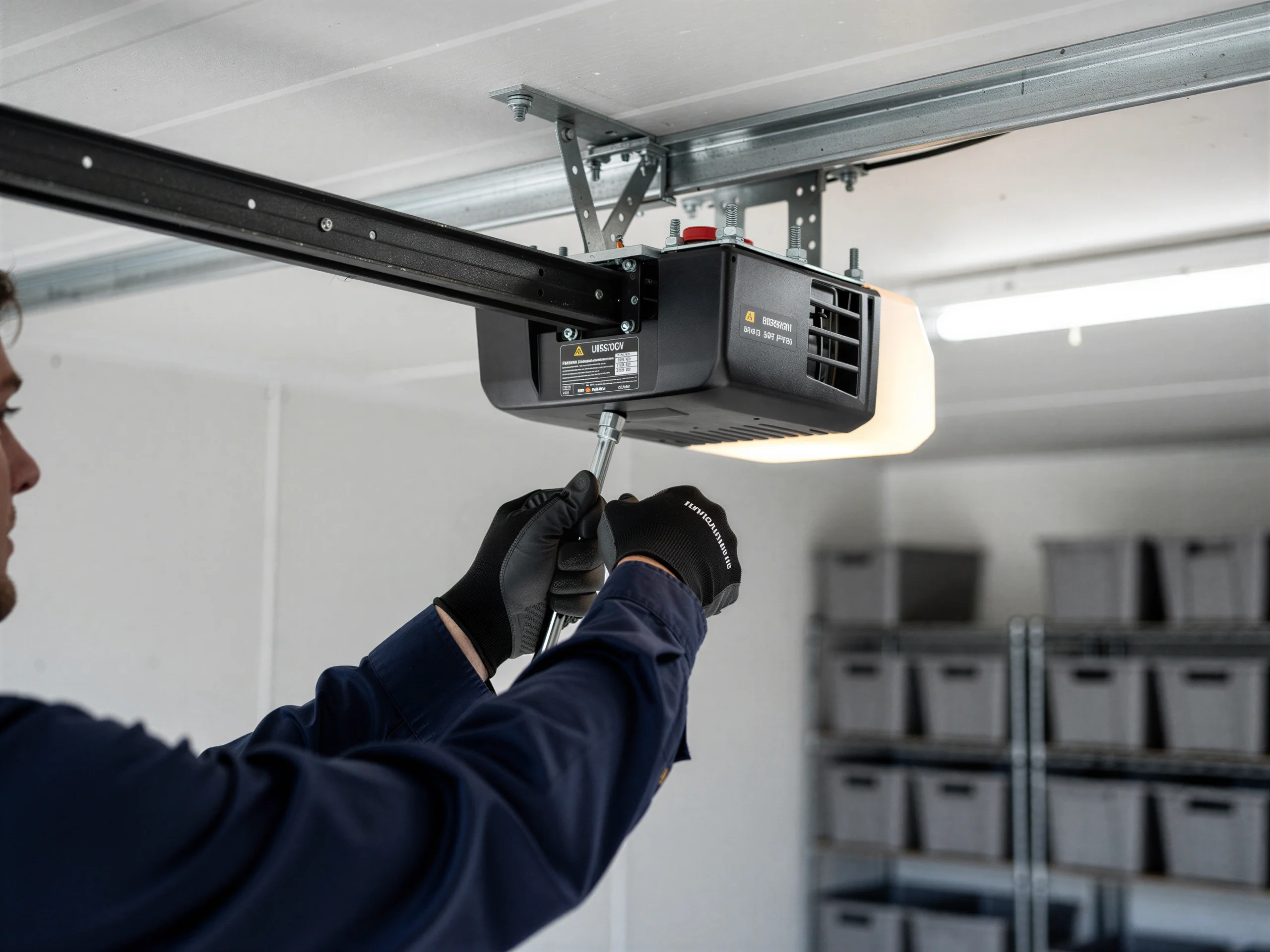
Opener Installation
Bee Cave's housing stock runs newer than most of the area, which means builder-grade openers reaching the end of their first life. Learn more →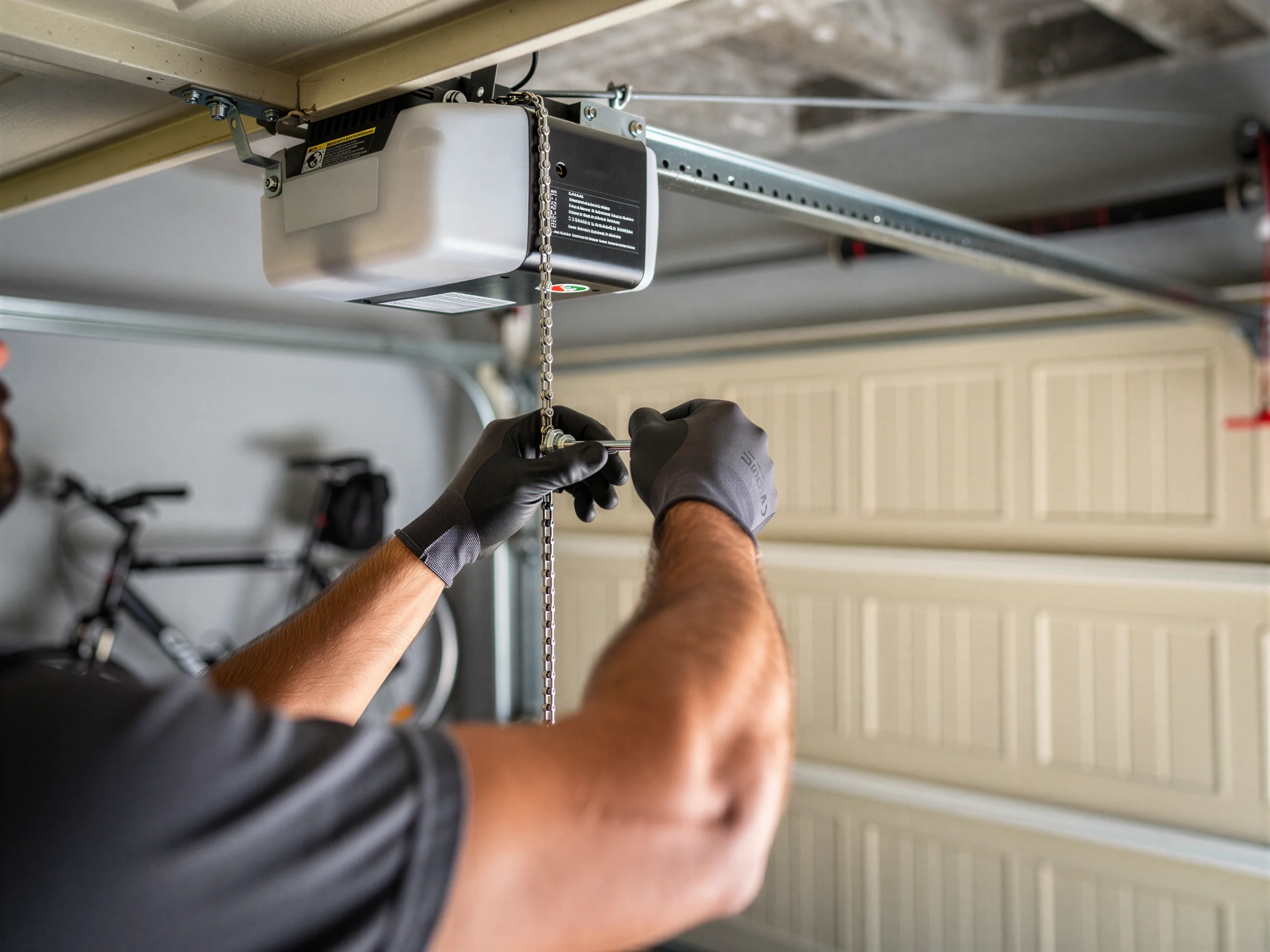
Opener Repair
Bee Cave homes are mostly 2012-built, so opener failures here are logic boards and belt-drive parts, not old chain-drive wear. Learn more →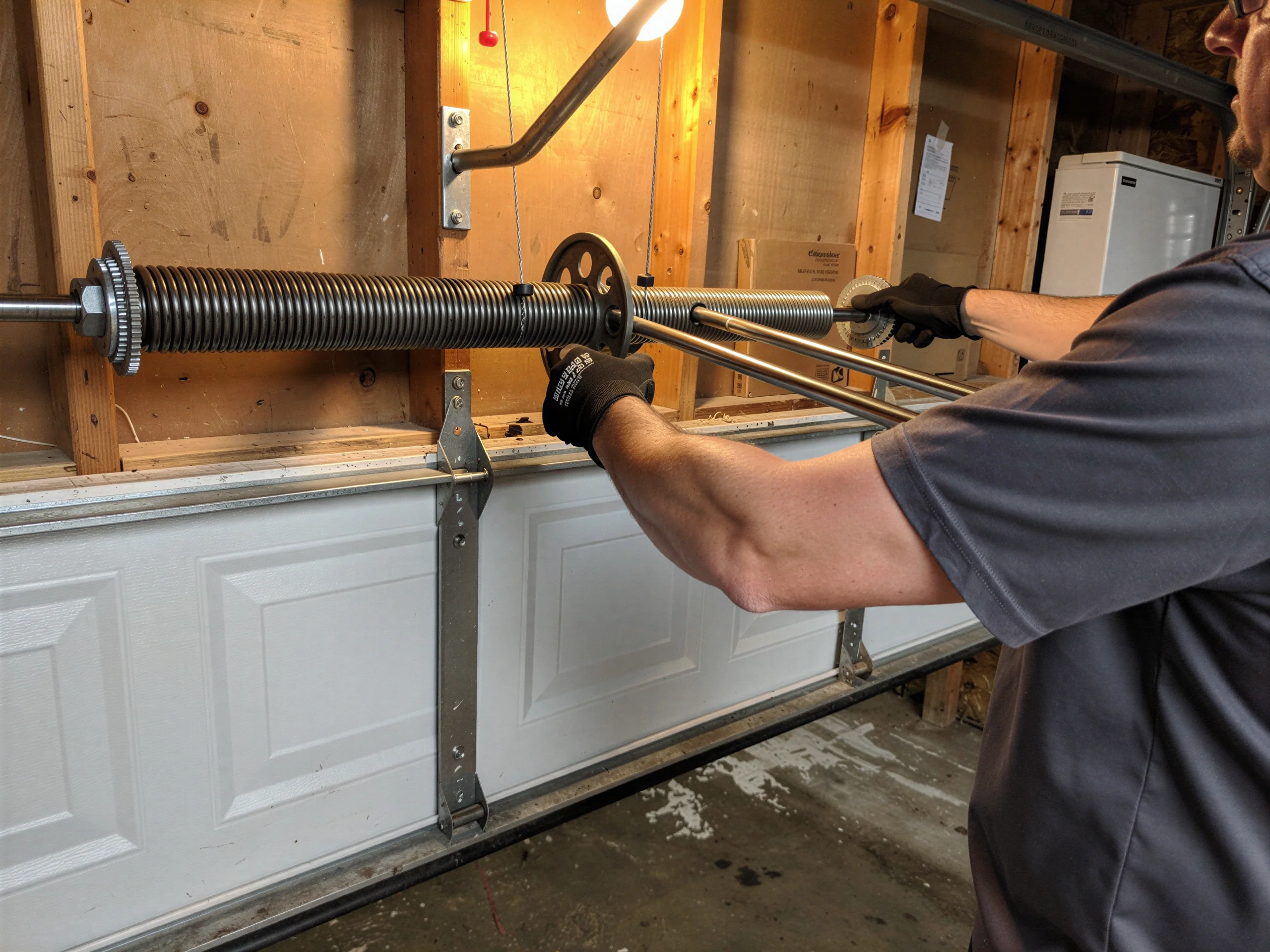
Spring Repair
Bee Cave homes mostly went up after 2012, newer than the Lakeway service area median of 2001 - meaning different torsion spring sizing and failure patterns. Learn more →Ready when you are
Time for a garage door tune-up in Bee Cave?
Lakeway Garage Door Pros repairs and installs garage doors, springs and openers in Lakeway, TX and the surrounding area.