
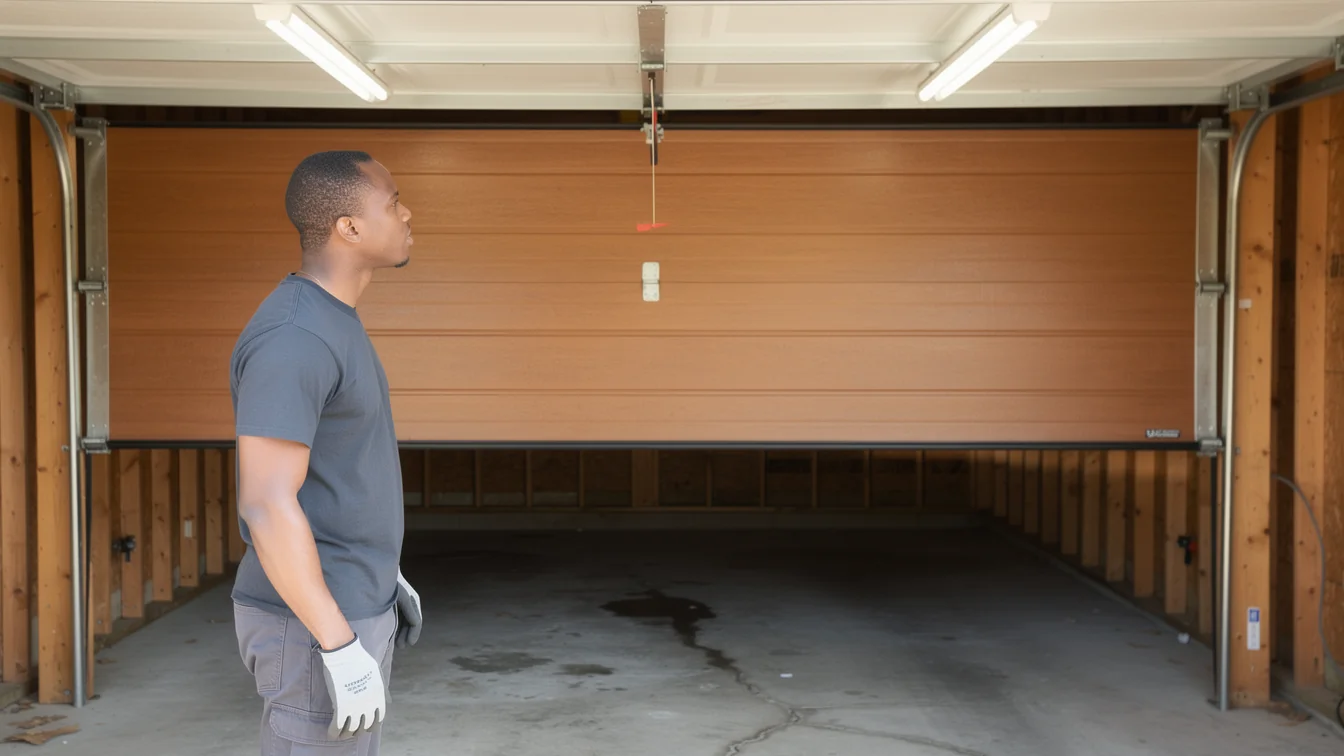
The Noises Your Lakeway Garage Door Shouldn't Be Making
Lakeway homes built mostly between 1980 and 2014 develop specific garage door noises as parts age.
Read moreMost Lakeway homes went up between 1980 and 2014, median build year 2001, which shapes the garage door hardware and heat exposure you're dealing with.
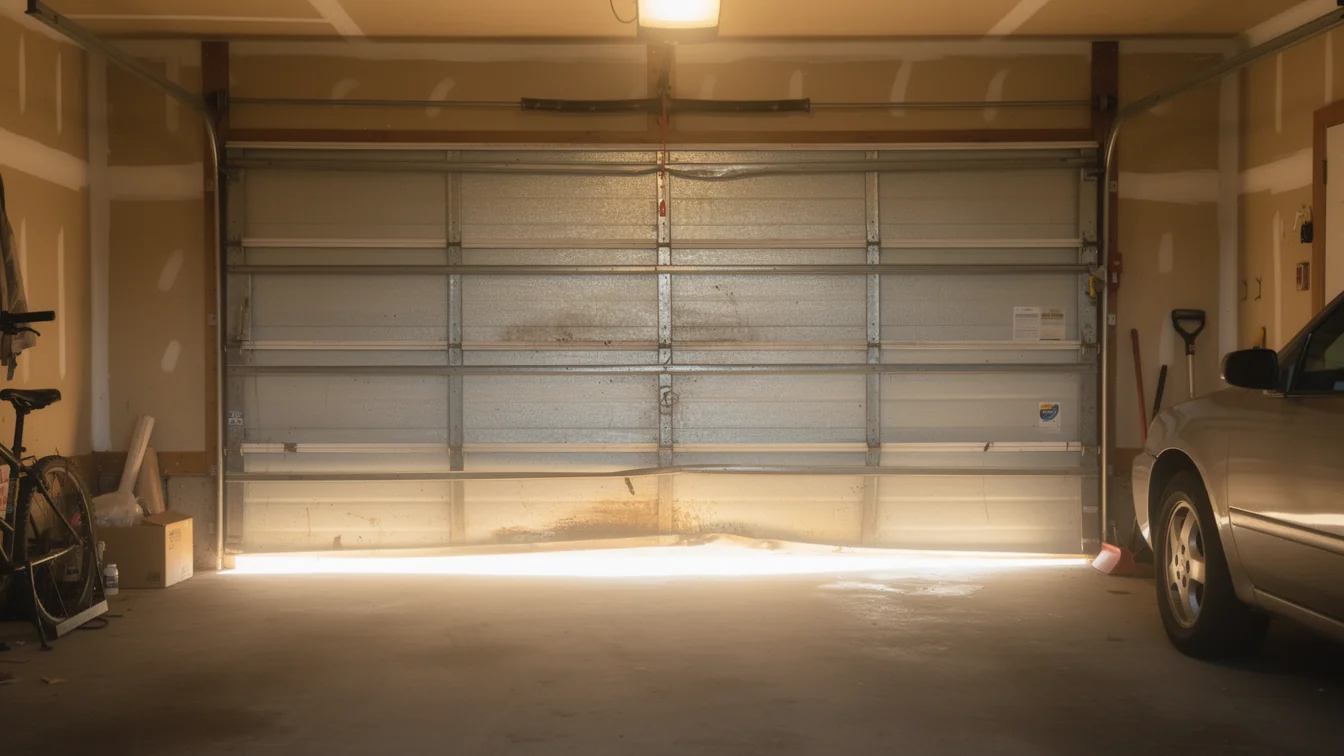
Local detail
This isn't a one-story-fits-all town when it comes to garage doors, but it's close. Across the market here, housing went up mostly between 1980 and 2014, with the median build landing in 2001. That's a narrow window compared to older Texas towns with decades of mixed construction. It means the garage door hardware you're dealing with - the spring type, the track gauge, the opener mounting - clusters around what builders were putting in during the late 1990s and 2000s, not a grab-bag of eras.
Across the sixteen named areas that make up this service footprint, the stock skews the same way: 2000s-era construction dominates. That matters because builder-grade hardware from that period was specified to a price point, and a lot of it is still running on its original springs and rollers two decades later.
The climate band here is officially moderate heat, not the more extreme heat classification some parts of the state carry. That's relevant to garage doors because heat cycling - not just peak temperature - is what fatigues springs and warps panels over time. Moderate heat means slower fatigue than a severe-heat zone, but it doesn't mean no fatigue. A door installed in 2001 has now been through roughly twenty-plus summers of that cycling, and the springs don't know the difference between moderate and severe - they just count cycles.
The area
If your house falls in that 1980-2014 build window - and across this area, most do - your garage door is very likely running original or first-replacement hardware. That's the practical situation homeowners here are in, whether they're a couple miles out toward Point Venture, out past Bee Cave, or further out near Lago Vista or Jonestown.
The doors from that era typically came with torsion or extension springs sized for the door weight at the time, not for any upgrades made since - a heavier insulated replacement panel, for instance, put on a spring system that was never recalculated for the new weight. That mismatch doesn't show up as a dramatic failure on day one. It shows up as a spring that's working harder than it should be, cycle after cycle, until it lets go.
With median household income in this area at $127,595 across 23,742 households, a lot of owners here are in a position to replace rather than patch when a door is genuinely past its service life - but that only matters if you know which situation you're actually in. A 2001-era door with its original spring is a different job than a 2010-era door with a newer opener bolted onto old track.
What we find
The mistake we see most is treating every garage door problem in this market as the same age problem. Because the stock here is so concentrated in one build era - 1980 to 2014, median 2001 - it's tempting to assume one fix works for every house. It doesn't. A door built early in that window has different spring hardware than one built late in it, even on the same street.
The second mistake is ignoring moderate heat cycling as a real wear factor because it's not the severe-heat classification. Owners who'd never skip maintenance in a harsher climate let it slide here, assuming the lighter heat band means the hardware ages slower across the board. Springs still fatigue on a cycle count, not just on temperature extremes, and a spring installed around 2001 has put in a couple decades of cycles regardless of how mild the summers were.
We won't pretend every door is a repair candidate just because the house is relatively young by national standards. A 2000s-era door with a warped panel or a cracked bottom section often costs more to patch piece by piece than to replace outright, and we'll tell you that straight instead of running up a repair bill on a door that's not worth saving.
How we work
Call before the spring fails outright, not after. If your house falls in that 1980-2014 window and you haven't had the spring system looked at, a slow hardware check now beats an emergency call when a torsion spring snaps under a loaded door. That's true whether you're near Barton Creek, Hudson Bend, or anywhere else in this service footprint.
Get help sooner if you notice the opener straining on a door that used to lift quietly, or if a 2000s-build door is sagging unevenly at the bottom corners. Both point to hardware that was sized for the original setup and is now out of balance.
One honest limit: we don't stock every discontinued builder-grade track or hinge pattern from that era on the truck. Some of it has to be special-ordered, and that adds a day or two to certain jobs. We'll tell you up front if your door falls into that category rather than promising a same-visit fix we can't back up.
Questions
Most houses here were built between 1980 and 2014, with the median landing in 2001. Unless a previous owner replaced it, the garage door and its springs are likely original to that build year, which puts a lot of doors in the area somewhere between ten and twenty-five years into their service life.
Yes, though less aggressively than in a severe-heat zone. Heat cycling fatigues springs and can warp lighter panels over repeated hot-cold swings. The area sits in a moderate heat band, so the wear happens slower than in harsher climates, but a door built in the early 2000s has still logged two decades of cycles.
It depends on what's failing. A spring or opener issue on an otherwise sound door is usually worth repairing. A warped panel, rusted track, or a door that's been limping along on mismatched hardware for years often costs more to patch piecemeal than to replace outright - we'll tell you which situation you're in.
Recommendation
More garage door guides for Lakeway homeowners.
Lakeway homes built mostly between 1980 and 2014 develop specific garage door noises as parts age.
Read more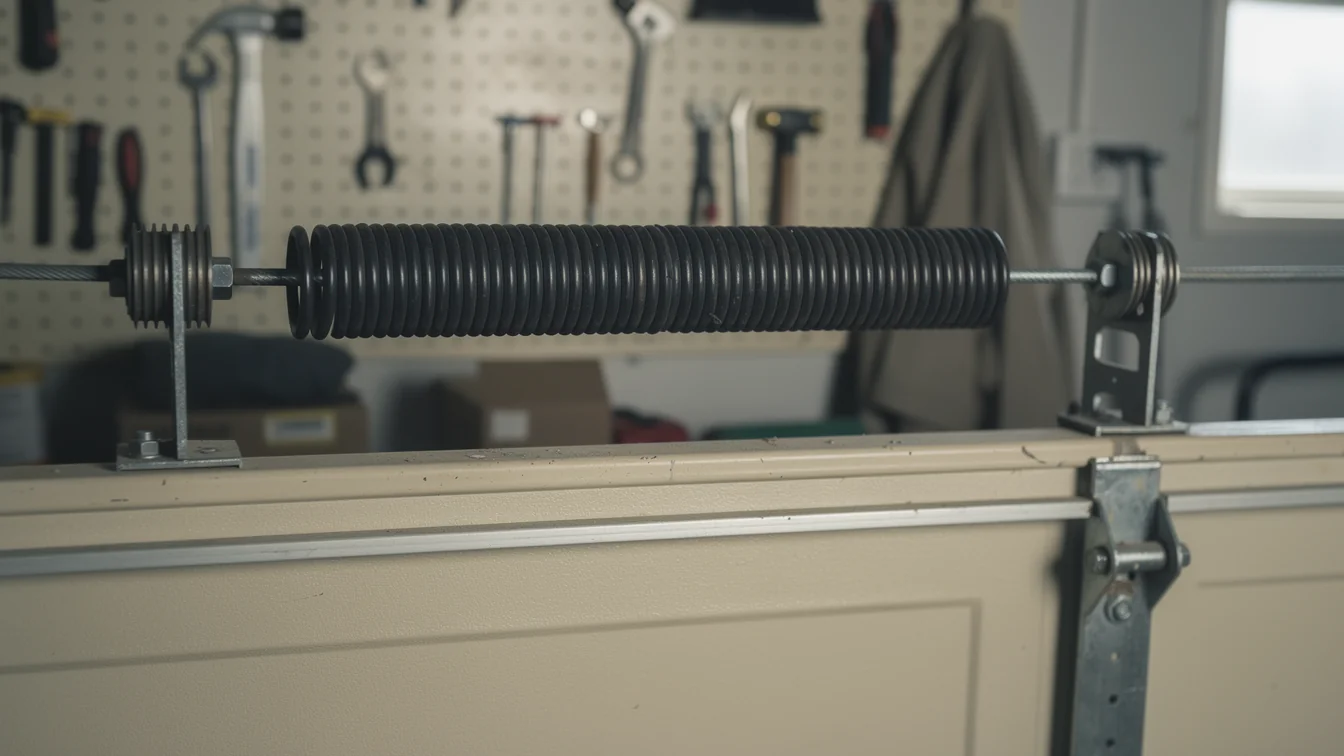
Lakeway's housing stock went up mostly in the 2000s under a moderate-heat climate band - here's why that combination is wearing out original torsion springs right now.
Read more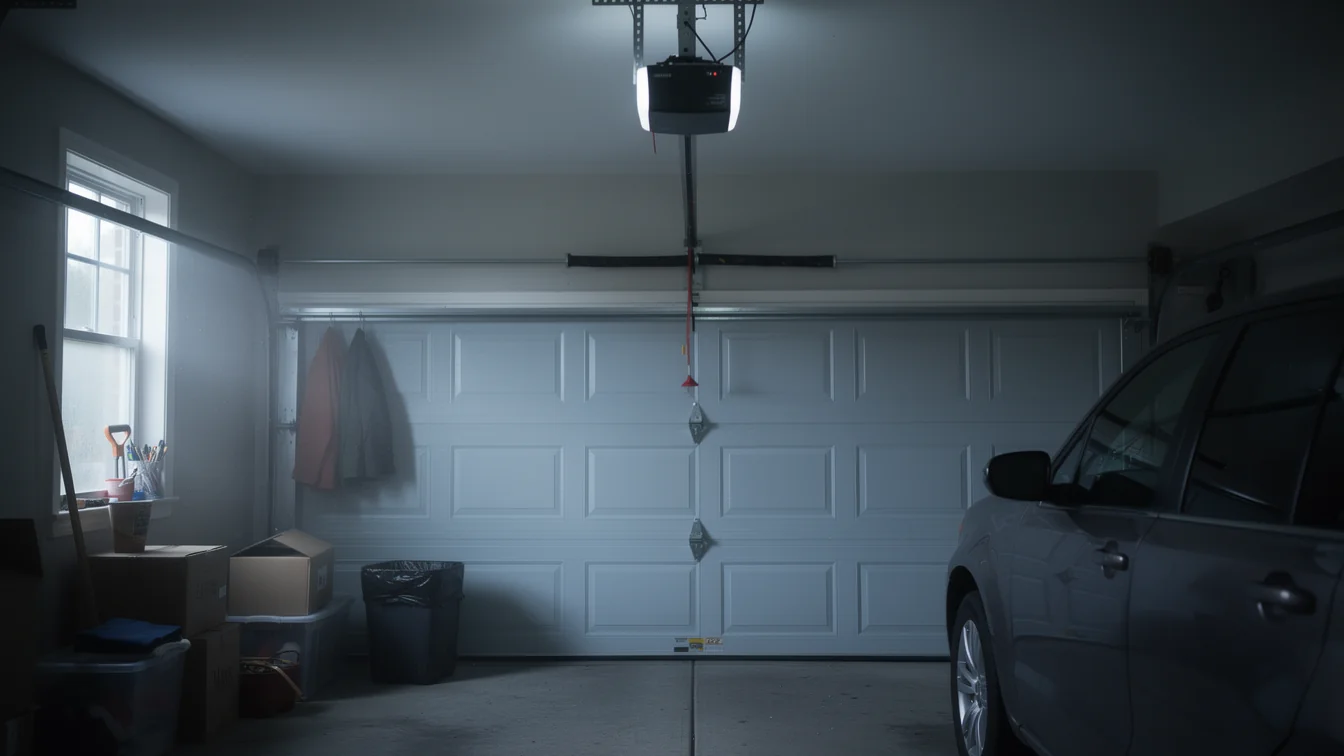
Most Lakeway garage doors run openers installed when the house was built, 1980-2014.
Read moreReady when you are
Lakeway Garage Door Pros repairs and installs garage doors, springs and openers in Lakeway, TX and the surrounding area.