
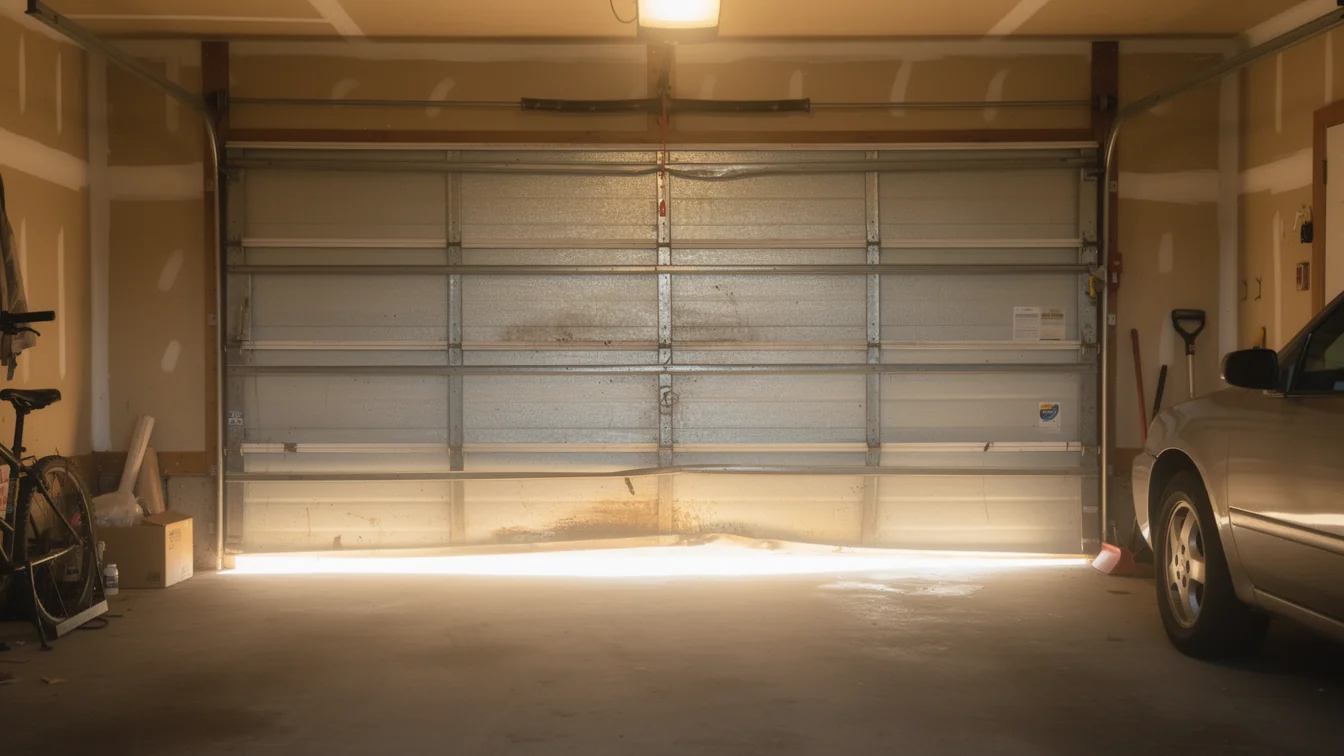
What Lakeway's Housing Age and Heat Mean for Your Garage Door
Most Lakeway homes went up between 1980 and 2014, median build year 2001, which shapes the garage door hardware and heat exposure you're dealing with.
Read moreLakeway homes built mostly between 1980 and 2014 develop specific garage door noises as parts age. Learn which sounds mean a real problem, not just dust.
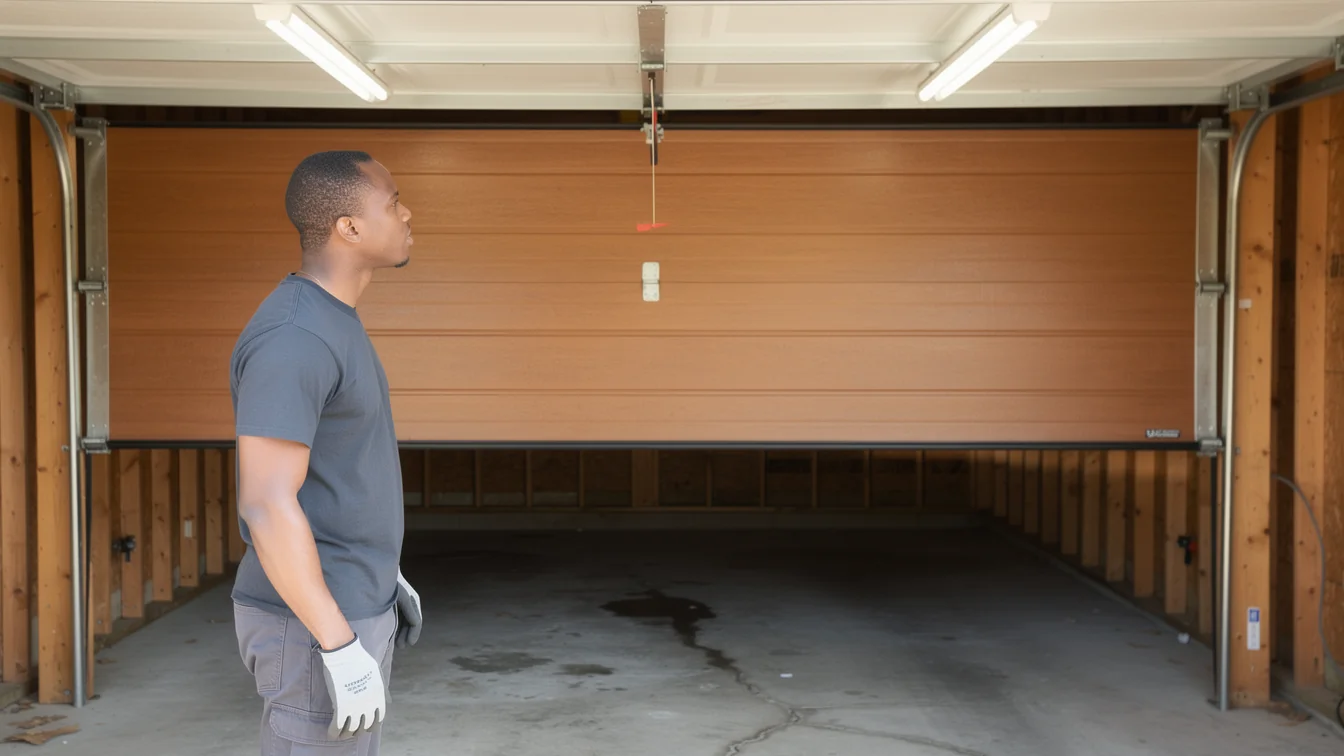
Local detail
Most of the houses we work on in Lakeway and the surrounding service area went up between 1980 and 2014, with the median build year landing around 2001. That means a lot of garage doors out here are running on original torsion springs and openers pushing two decades of service, sometimes more. Across the sixteen named areas we cover - from Point Venture to Hudson Bend to Lago Vista - the stock skews toward 2000s-era construction, which came with steel roller tracks and nylon rollers that were standard for the time but weren't built to last forever.
Lakeway sits in a moderate heat climate band, not the kind of punishing summer swings you get in true desert country, but enough heat cycling year over year to dry out factory grease on springs and hinges faster than the manual suggests. Metal expands in the afternoon and contracts overnight, and that daily flex works on fasteners, hinges, and the spots where metal meets metal. None of this is dramatic on its own. It's slow wear, compounding over roughly twenty years in a lot of these houses, and it's why the noises people hear aren't random - they track pretty closely with how old the hardware actually is.
The area
A door that's quiet when it's new and loud ten or fifteen years later is telling you something concrete: the factory lubricant is gone, a roller is flat-spotted, or a spring is losing tension unevenly. In a neighborhood where the median home was built in 2001, we're now looking at doors and openers in the 20-24 year range, right where original springs reach the end of their rated cycle life and where the nylon rollers that shipped standard back then start cracking or going oval instead of round.
A grinding or scraping sound usually means metal-on-metal contact - a roller that's lost its nylon sleeve riding bare on the track, or a hinge pin wearing through its hole. A loud bang partway through the cycle is almost always a spring, and on a door built with the hardware common to this era's construction, that's often a torsion spring that was sized for a lighter door than what's actually hanging on it now, if panels were swapped at some point. A rhythmic thump tied to the opener's travel is frequently a worn drive gear, a known failure point once a chain or belt opener crosses into its second decade of regular use, which tracks with the age of openers across this housing stock.
What we find
The mistake we see most is treating every noise the same way - spray it, forget it, call it fixed. WD-40 is a solvent, not a grease; it washes out whatever lubricant is left on a spring or hinge and leaves the metal drier than before, which is the opposite of what you want in a climate where heat cycling already strips lubrication faster than it would somewhere milder. A homeowner sprays the noisy spot, the sound quiets down for a week, and then it's back, often worse, because now there's bare metal wearing against bare metal.
The second mistake is ignoring a new sound because the door still opens. On hardware this age - much of it installed when these neighborhoods were built out in the 1980s-through-2014 window - a new noise is rarely cosmetic. It's usually the first sign that a part is near the end of its cycle life, and waiting means you're more likely to be dealing with a spring that lets go completely, or a cable that frays through, rather than a part you could have replaced on your own schedule.
We'll say the limitation plainly: a noise alone doesn't always tell you which part is failing. Sometimes it takes a hands-on look to separate a cheap roller swap from something that needs the whole spring system replaced.
How we work
Call when a noise changes character - new grinding, a bang you haven't heard before, or a thump that's gotten louder over a few weeks rather than staying steady. Those are different from the low hum most openers make, and on a door built anywhere in the 1980-2014 range common to this area, a changing sound usually means a part is actively wearing out rather than just old.
We work Lakeway and the surrounding service area, including Point Venture, Bee Cave, Briarcliff, Hudson Bend, Lago Vista, Barton Creek, Lost Creek, Jonestown, West Lake Hills, Belterra, Bear Creek, Dripping Springs, Sunset Valley, Shady Hollow, Driftwood, Manchaca, Travis Settlement, Apache Shores, Steiner Ranch, and Highland Lake Estates. If you're not sure whether what you're hearing is routine wear or something closer to failure, that's exactly the kind of call worth making before the door quits on you mid-cycle. Get in touch and we'll take a look.
Questions
Not usually urgent, but worth addressing. A squeak is typically a hinge or roller running dry, and on hardware that's been through a decade or more of heat cycling out here, dry metal wears fast once it starts. It's the kind of noise you fix on your schedule rather than wait on - but it won't stay a squeak forever.
A bang partway through the cycle is almost always a spring issue - either a spring that's lost tension unevenly or one that was never matched to the door's actual weight. On original torsion springs from a house built in the 2000s era, this is often just the spring reaching the end of its rated life.
No - WD-40 is a solvent and it strips existing lubricant rather than replacing it. It can quiet a noise for a few days, then leave bare metal wearing on bare metal, which is worse. Springs and hinges need actual grease suited for that purpose, not a degreaser.
Once a door and opener cross into the 15-to-20-year range - which covers a lot of houses here given the median build year of 2001 - new or changing noises stop being cosmetic. That's roughly when original springs, rollers, and drive gears start reaching the end of their service life.
Recommendation
More garage door guides for Lakeway homeowners.
Most Lakeway homes went up between 1980 and 2014, median build year 2001, which shapes the garage door hardware and heat exposure you're dealing with.
Read more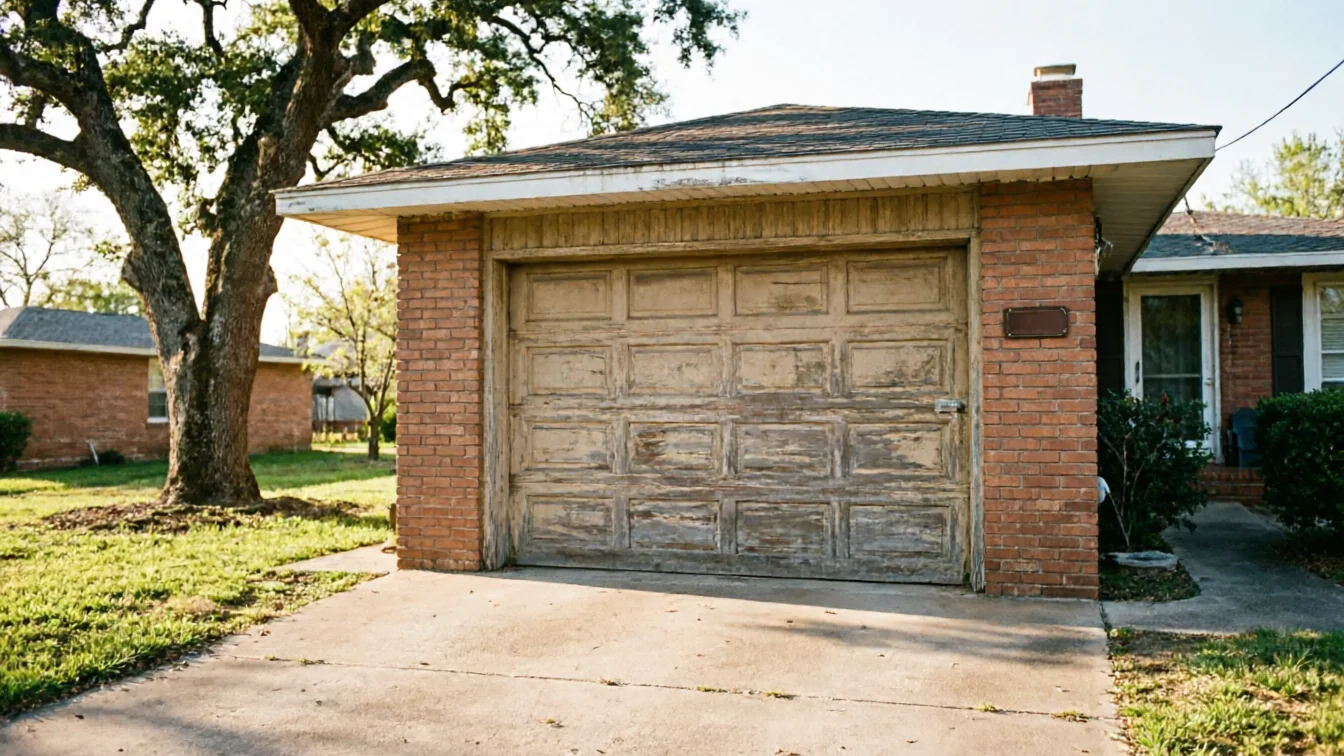
Lakeway homes mostly date to the 2000s, so most doors failing now are 15-25 years old.
Read more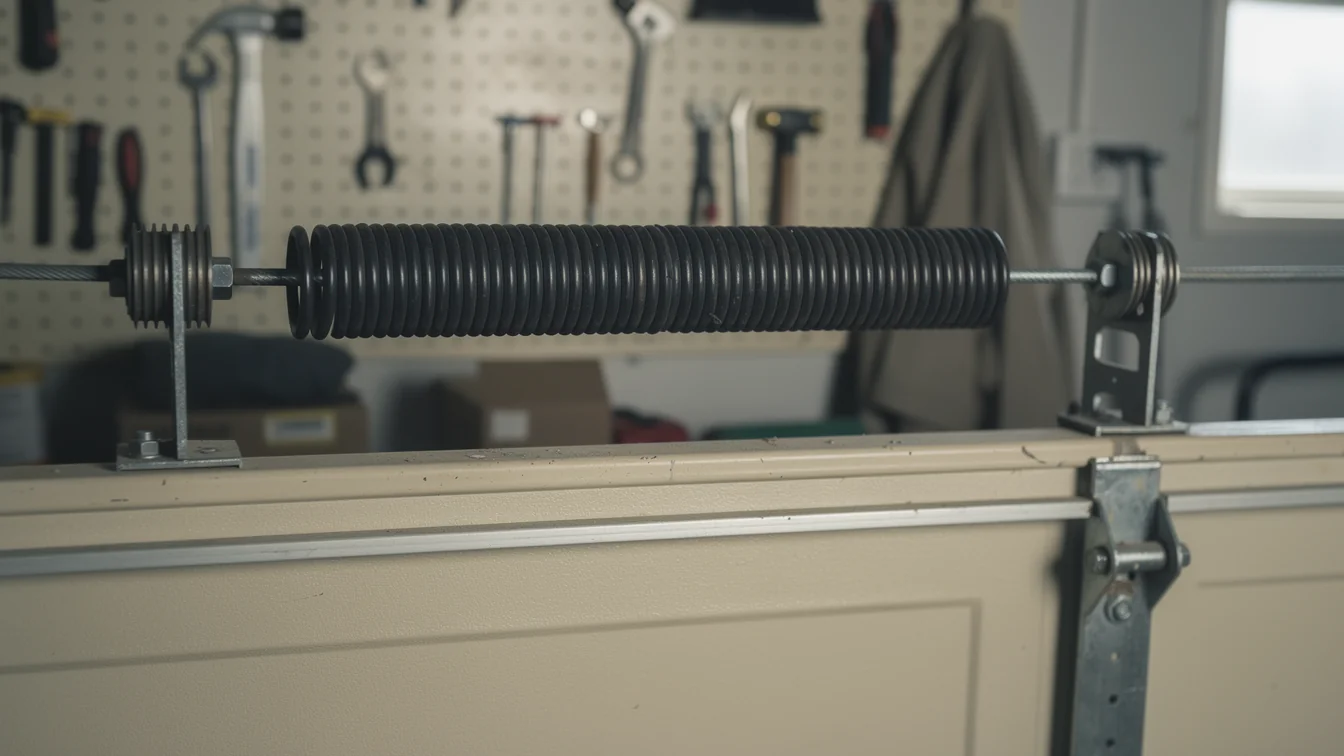
Lakeway's housing stock went up mostly in the 2000s under a moderate-heat climate band - here's why that combination is wearing out original torsion springs right now.
Read moreReady when you are
Lakeway Garage Door Pros repairs and installs garage doors, springs and openers in Lakeway, TX and the surrounding area.