
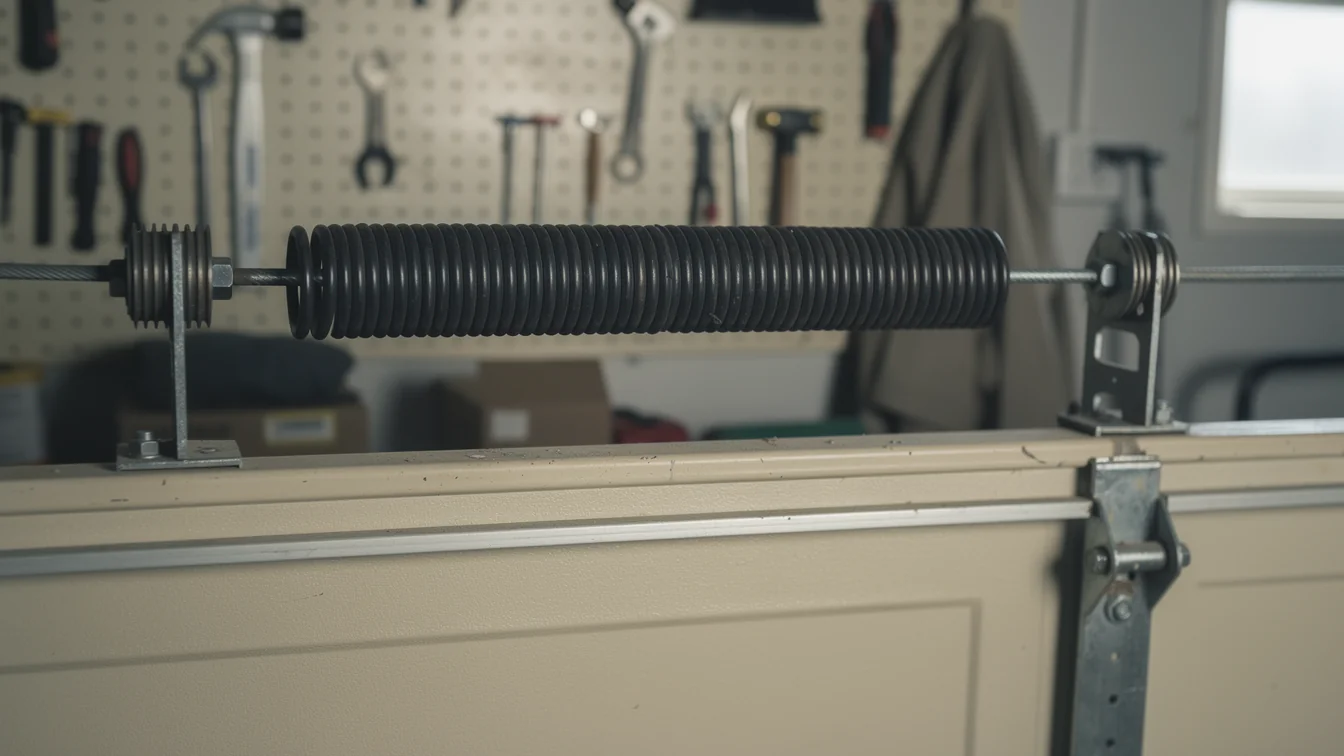
Why Lakeway's Garage Door Springs Are Failing Around the Same Age
Lakeway's housing stock went up mostly in the 2000s under a moderate-heat climate band - here's why that combination is wearing out original torsion springs right now.
Read moreLakeway homes mostly date to the 2000s, so most doors failing now are 15-25 years old. Here's how to tell repair from replace before you call.
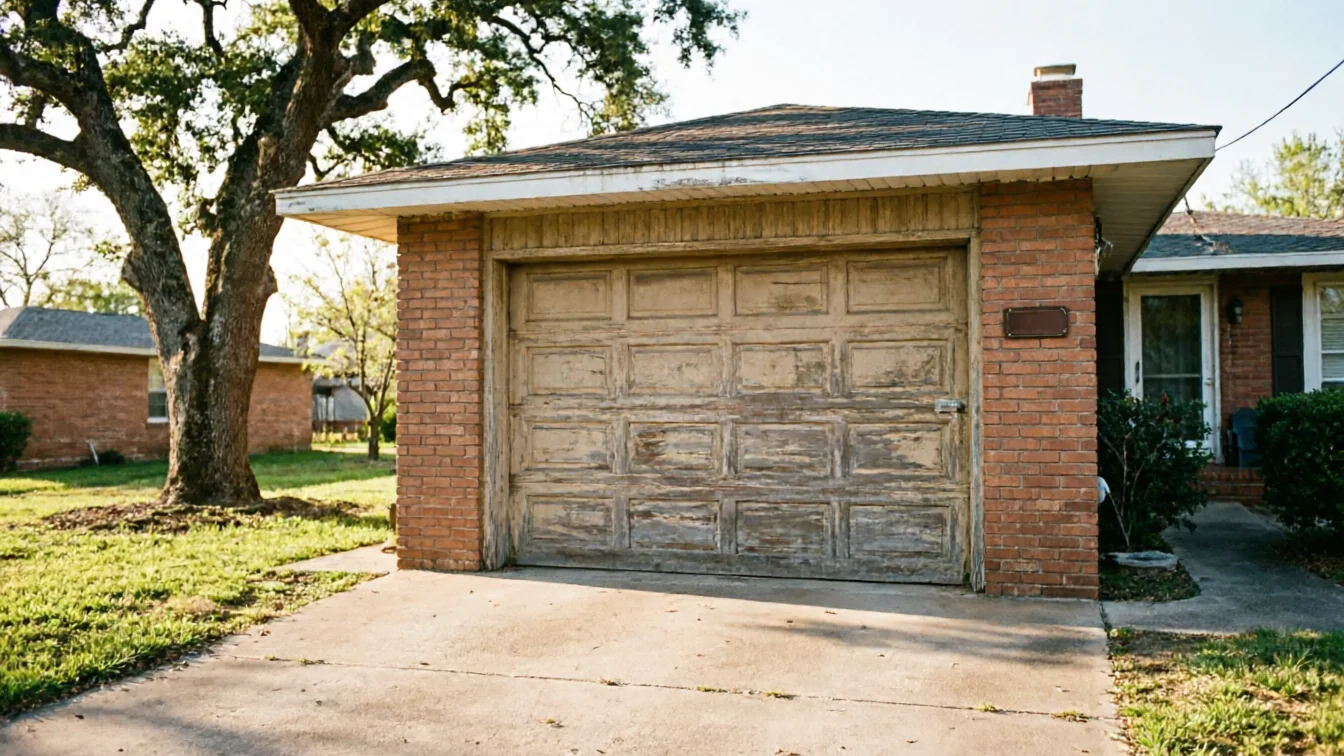
Local detail
Most houses in this part of the hill country went up between 1980 and 2014, with the median build year landing around 2001. That means the typical garage door in Lakeway, Point Venture, or Steiner Ranch isn't a relic from the 60s - it's a door in its late teens to mid-20s, built during a wave of construction that used fairly consistent hardware across the 2000s subdivisions. The upside is that parts for that era are usually still out there. The downside is that a lot of these doors are hitting the point where the original torsion spring, the nylon rollers, and the factory weatherstripping are all wearing out at once, not one at a time. Our climate band here runs moderate on heat, which is kinder to doors than the stretches of Texas that bake all summer, but it still means seals dry out and crack over a couple of decades, and steel panels with worn galvanizing start to show surface rust where water sits at the bottom corner. None of this means your door is done. It means the clock on a 2001-2010 build is now running out on specific parts, not the whole unit, and that's the distinction worth making before anyone tells you to replace it.
The area
A homeowner in a house built in the early-to-mid 2000s calls because the door is loud, slow, or won't open all the way. Nine times out of ten in this area, it's one of three things: the torsion spring has lost tension (common once a spring hits 10,000+ cycles, which a daily-use door reaches well inside 20 years), the rollers have worn down to the point the door binds in the track, or the bottom seal has hardened and cracked, letting in gaps you can see daylight through. None of those are reasons to replace a door. They're wear parts on a frame and panel set that, built to the standards of that era, is usually still structurally sound. With median household income in this service area over $127,000, a lot of owners default to calling for a full replacement because it feels like the simpler decision. It's rarely the cheaper one, and with roughly 15,786 owner-occupied houses in this stretch built on a similar timeline, this same call plays out constantly - most of them end with a spring and roller job, not a new door.
What we find
The mistake we see most is swapping a whole door because of a problem in the springs or the opener. A door built in the 2000s, like most of what's standing from Travis Settlement to Bear Creek, was made with steel and hardware that holds up fine for decades if the moving parts get serviced. Panels dent, but dents are cosmetic unless they're bad enough to throw off the track alignment. Springs and openers, on the other hand, are maintenance items with a known lifespan - they're supposed to wear out and get replaced, the same way brake pads do on a car. Treating a spring failure as a signal the whole door is failing leads to spending on a full replacement when a $200-400 part and labor job would've solved it. The honest limit here: if the panels themselves are rusted through at the bottom, or the door's been off-track enough times that the frame has racked, that's a different conversation, and at that point a repair is throwing money at a door that won't hold a repair for long.
How we work
Call before you decide for yourself which category you're in. If the door is noisy, heavy to lift by hand, or the opener strains and reverses, that's spring or cable territory, not a sign of a dying door. If weatherstripping is cracked or missing at the bottom, that's a cheap fix that matters more than it looks, especially since it's the main thing keeping moderate heat and dust out of the garage. If panels are visibly rusted through, warped, or the door won't sit flush in the track no matter what's adjusted, that's worth a real look before spending on parts that won't fix the underlying problem. We can tell you on-site which side of that line your door is on - most 2000s-era doors in this area are worth fixing, but we won't talk you into a repair on one that isn't.
Questions
Age alone isn't the deciding factor - condition is. Most houses here were built between 1980 and 2014, so a lot of doors are 15-25 years old, which is well within the range where springs, rollers, and seals just need replacing. Replacement makes more sense when the panels themselves are rusted through or the frame is racked, not simply because the door is older.
Torsion springs are rated for a number of open-close cycles, typically around 10,000, and a door used daily can hit that well before 20 years. It's not a sign of a bad door or bad luck - it's a wear part reaching the end of its rated life, same as most other houses from that same construction era around here.
Usually yes. Cosmetic dents don't affect function unless they're severe enough to bend the track or throw the door out of alignment. If it opens and closes smoothly and the seals and springs are sound, a dented panel is a cosmetic call, not a replacement one.
Recommendation
More garage door guides for Lakeway homeowners.
Lakeway's housing stock went up mostly in the 2000s under a moderate-heat climate band - here's why that combination is wearing out original torsion springs right now.
Read more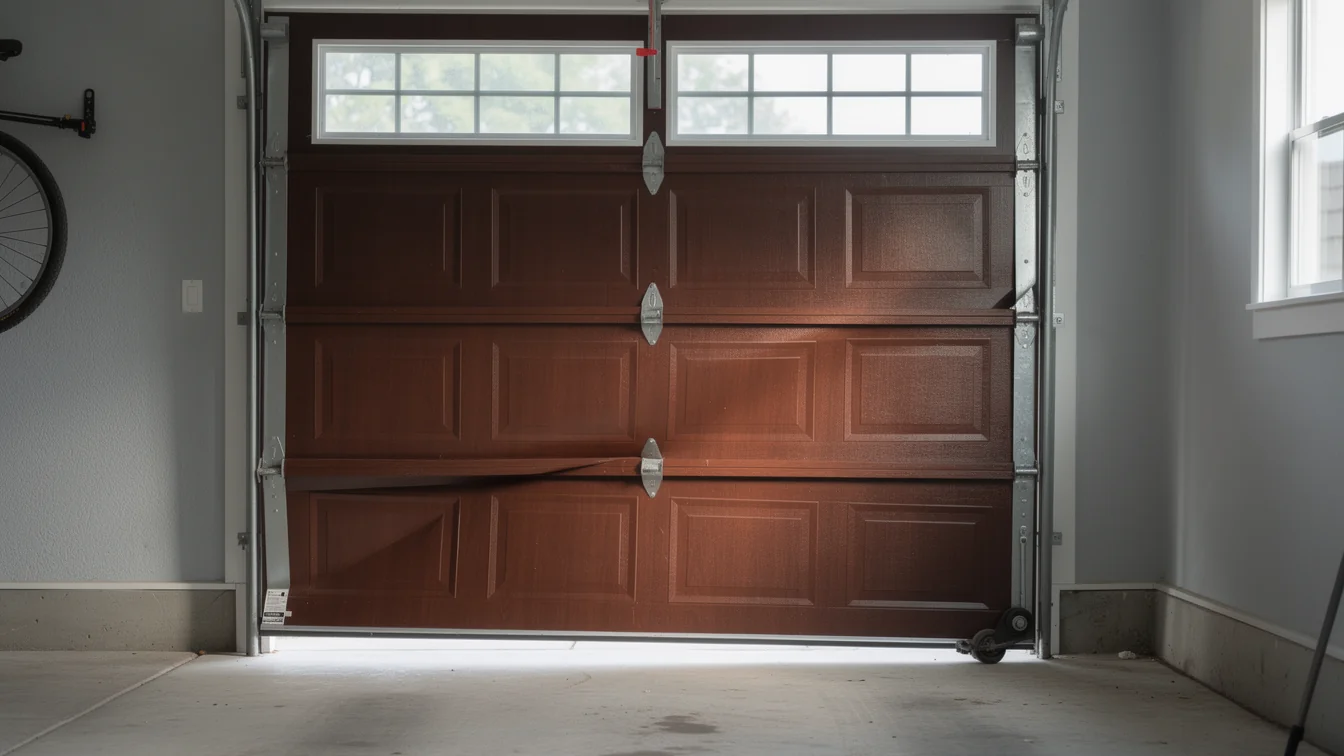
Lakeway's housing stock runs 1980-2014, mostly 2000s builder-grade hardware.
Read more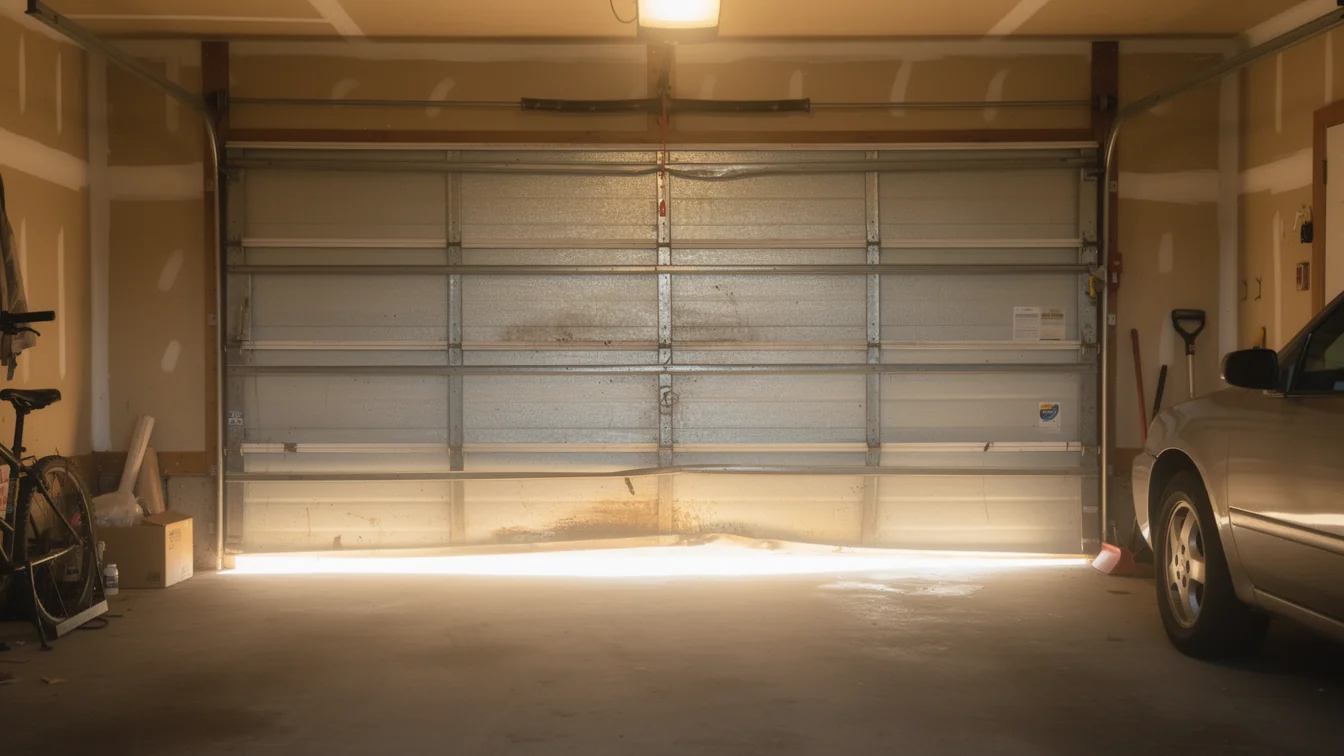
Most Lakeway homes went up between 1980 and 2014, median build year 2001, which shapes the garage door hardware and heat exposure you're dealing with.
Read moreReady when you are
Lakeway Garage Door Pros repairs and installs garage doors, springs and openers in Lakeway, TX and the surrounding area.