
Lakeway, TX
Garage Door Maintenance Built Around Lakeway's Housing Stock
Garage door maintenance for Lakeway's 1980-2014 housing stock, where original springs, rollers, and openers are aging out at the same time across the whole area.
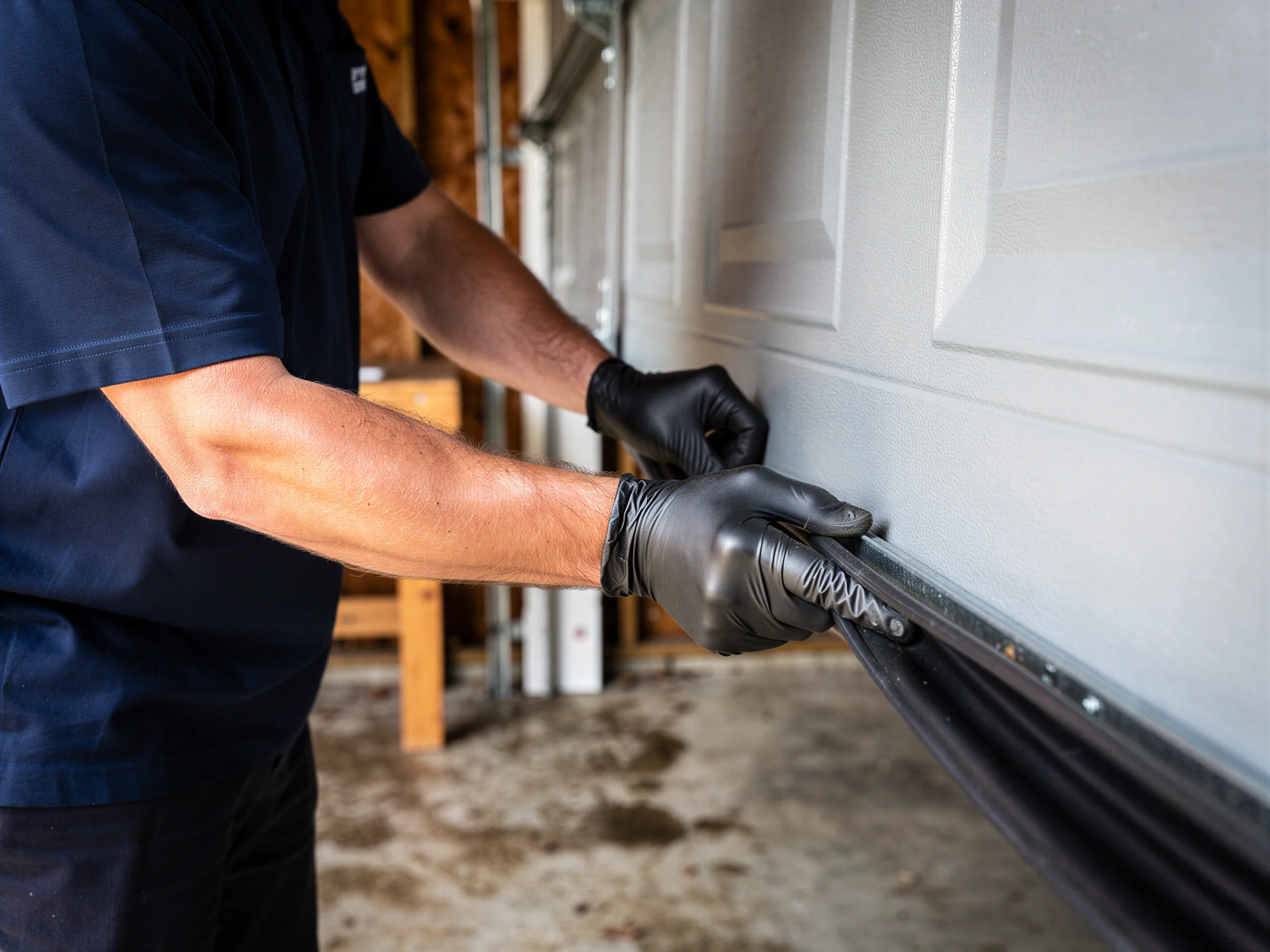
How It Shows Up
Most of the service area's homes went up between 1980 and 2014, with the median build year landing around 2001. That means a huge share of the doors out there are running on the same springs, rollers, and opener gears that got bolted in at construction.
Gradual decline signs
Maintenance neglect doesn't show up as a sudden break. It shows up as a door that's a half-second slower to open than it was last year, a roller that clunks once at the top of the track, a remote that needs three presses instead of one.
Ignored until failure
Owners notice the opener motor running a little longer before the door moves. They notice the door doesn't sit flush at the bottom anymore. None of that reads as an emergency, so it gets ignored until the spring finally lets go or the opener gear strips.
Most common wear pattern
By then what would have been a lube-and-adjust call is a parts call. Across the roughly 15,786 owner-occupied houses in this area, this is the most common pattern we see: hardware that's been fine for a decade finally announcing it's twenty years old.
Why This Fails Locally
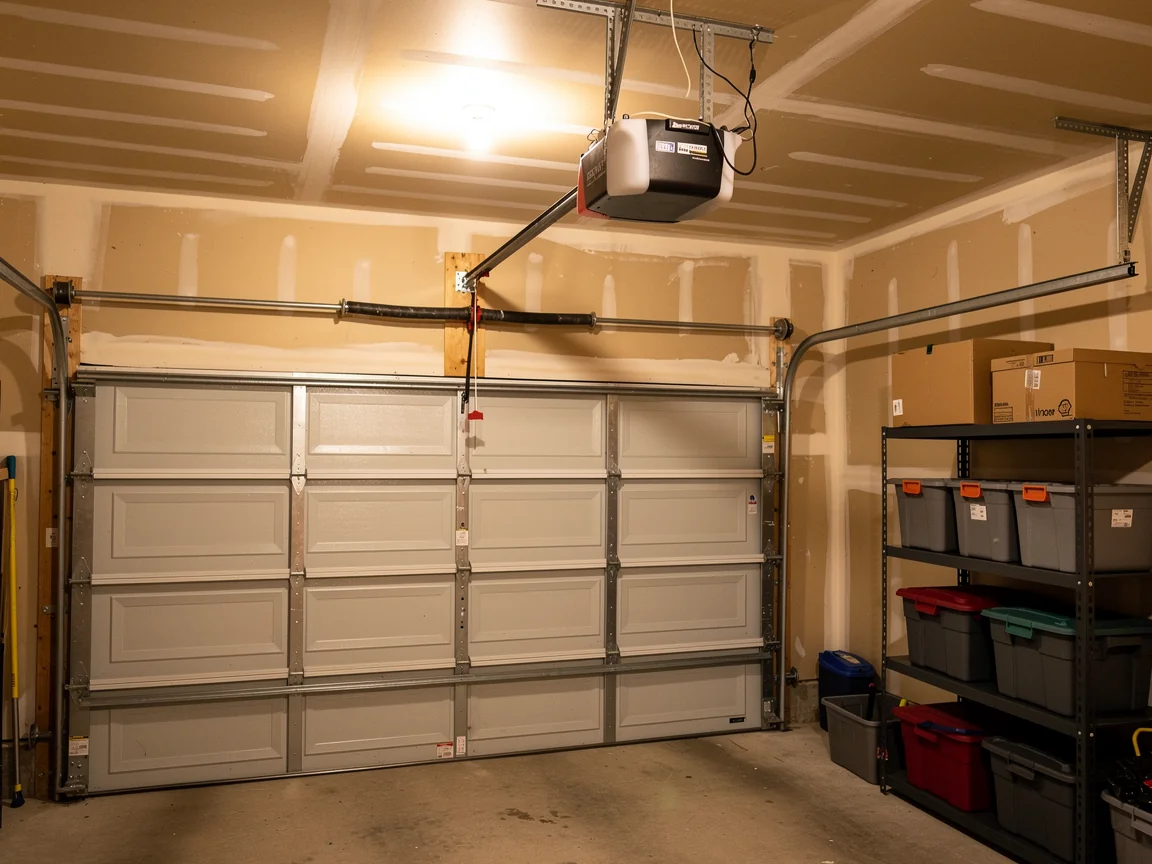
This region sits in a moderate-heat climate band, not the extreme end of the scale, so you're not fighting the kind of daily thermal swing that shreds seals and gums up lubricant in a single season. That's the good news. The bad news is it lets a lot of owners assume their door doesn't need attention at all, because nothing is visibly cracking or melting. Meanwhile the housing stock across this area, mostly built in the 2000s, is aging in a quieter way: factory grease on torsion springs dries out, nylon rollers wear flat on one side, and galvanized cable starts to fray where it wraps the drum. None of that is weather damage. It's just time and cycles. A door that's opened and closed twice a day for twenty years has logged over 14,000 cycles, and most of these doors have never had the springs re-lubricated or the track realigned since the house was built. The moderate climate buys you time before failure, but it doesn't buy you out of the wear itself.
Doing It Yourself
There's a real list of things an owner can do without a truck showing up. Wipe down the tracks and check for dents or gaps where the rollers ride.
Cable and bolt checks
Look at the cables for rust or fraying strands, especially near the bottom bracket. Test the auto-reverse safety feature by setting a piece of wood on the floor under the door and running it down.
Lubricant choice matters
Lubricate the rollers and hinges with a garage-door-specific spray, not WD-40, which washes out grease instead of replacing it. Tighten the bolts on the track brackets, which work loose from vibration over years of cycles. What you shouldn't touch is the torsion spring itself.
Hands off spring
It's wound under enough tension to break bones, and that's not a scare line, it's why we don't walk owners through adjusting it over the phone. If the door is sagging on one side, the opener strains before it moves the door, or a cable looks like it's starting to unravel, that's where self-service stops and a call starts.
How We Fix It
A maintenance visit is a full pass on the system, not a quick squirt of oil. We check spring tension and balance, which matters more than people think, because a door out of balance makes the opener do work it wasn't built for and wears the gear down early.
Roller and opener settings
We inspect cable condition, tighten track hardware, replace worn rollers before they fail mid-cycle, and lubricate every moving point with the right product for the part. On openers, we check the force settings and the safety reverse, since those drift out of spec over years of use.
Similar wear across jobs
Given that the owner-occupied housing here mostly dates to the same 1980-2014 window, we're usually looking at similar wear patterns from one job to the next, just at different stages.
No unnecessary upsell
We won't talk you into replacing a door that still has good bones. If the hardware is sound and the only issue is wear-and-tear maintenance, that's exactly what we do and nothing more gets added to the invoice.
Questions
Common questions
How often should I get my garage door serviced in Lakeway?
There's no single number that fits every door, since it depends on how many cycles it sees and how old the hardware is. As a rule, a once-a-year check covers spring tension, cable wear, and roller condition before any of those turn into a breakdown, especially on doors installed when the house was built.
Does the heat here really affect my garage door?
This area sits in a moderate-heat climate band, so you're not dealing with the kind of extreme swings that crack seals or break down lubricant fast. That said, heat still speeds up wear on grease and rubber over years, which is part of why older doors in this area start showing stiffness even without visible damage.
Can I just replace the spring myself?
We don't recommend it. A torsion spring is wound under high tension and a slipped winding bar can cause a serious injury. It's one of the few jobs on a garage door where the risk-to-savings ratio doesn't make sense for a DIY attempt, even for an otherwise handy homeowner.
My door still works fine, so why would I need maintenance?
A door that still opens isn't necessarily a door that's balanced or safe. Worn rollers, loose track bolts, and drifting opener force settings often don't cause obvious symptoms until the day a spring snaps or a cable frays through. Maintenance catches those before they become a stuck door or a safety issue.
Explore more
Explore More Services In Lakeway, TX
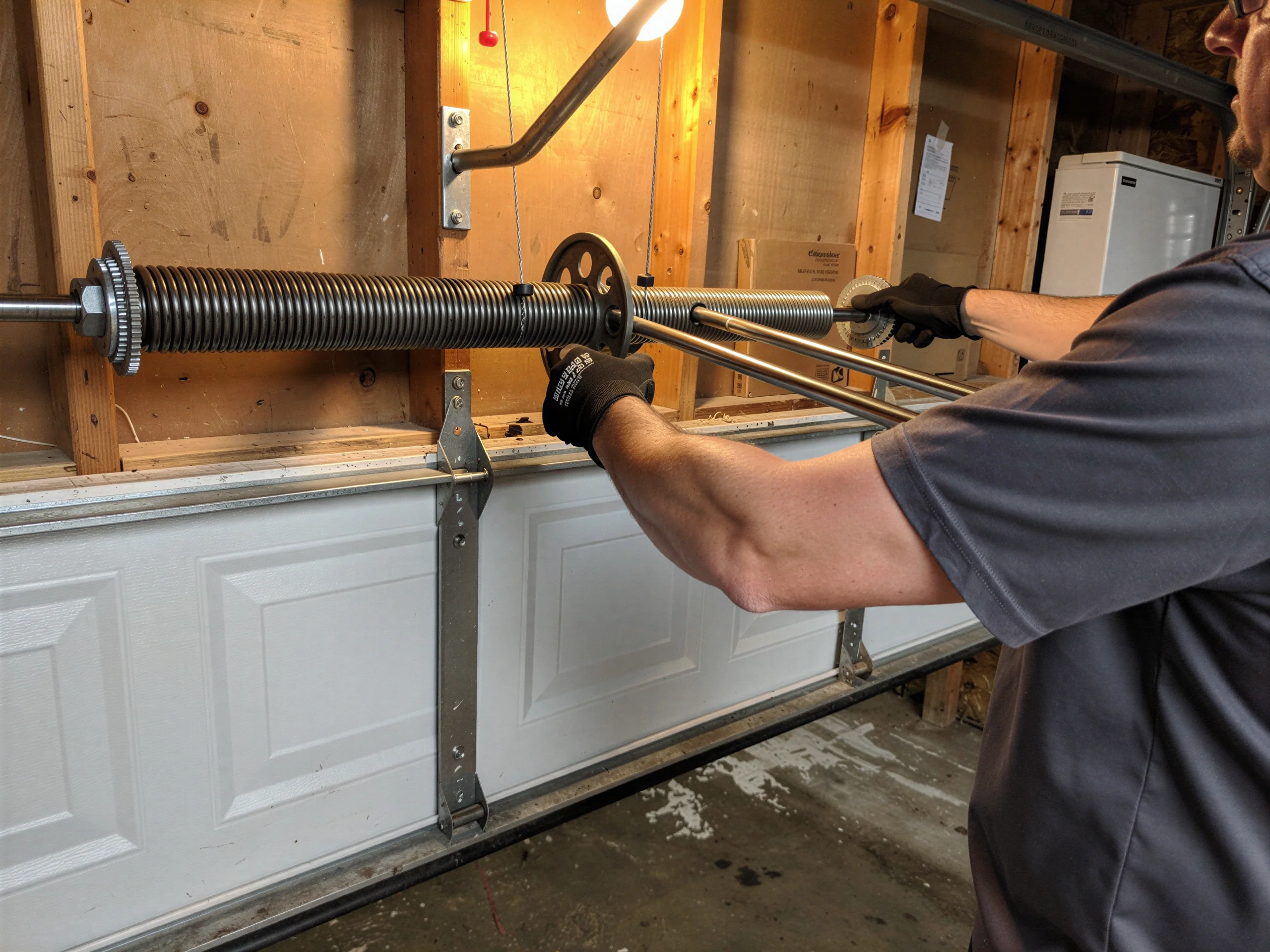
Garage Door Service for Lakeway Homes
Garage door service for Lakeway, TX homes built mostly 2000-2014, where original torsion springs and openers from the housing boom are reaching end of life. Learn more →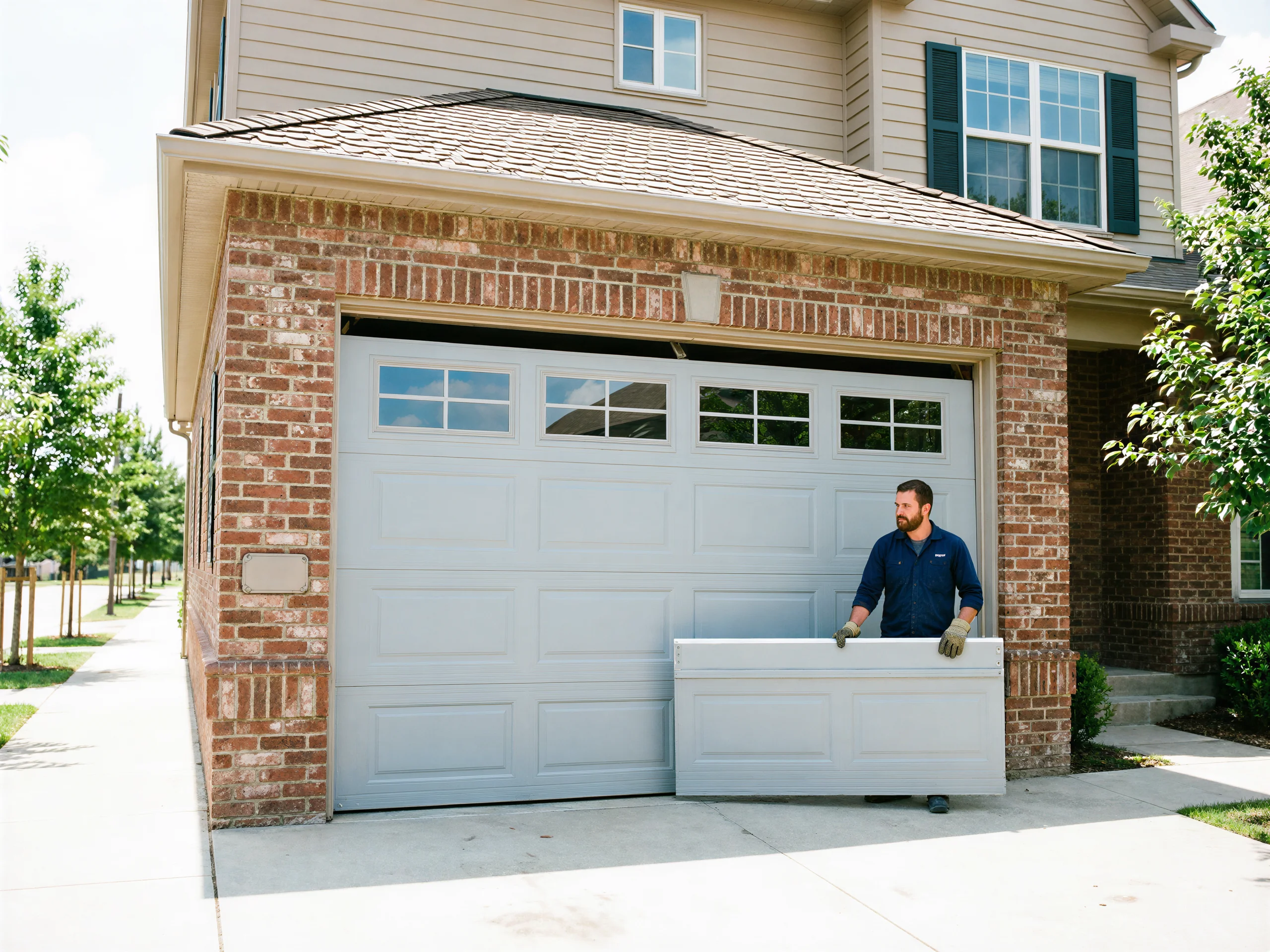
Garage Door Installation for Lakeway Homes
Lakeway homes built mostly between 1980 and 2014 are reaching original garage door and opener end-of-life. Learn more →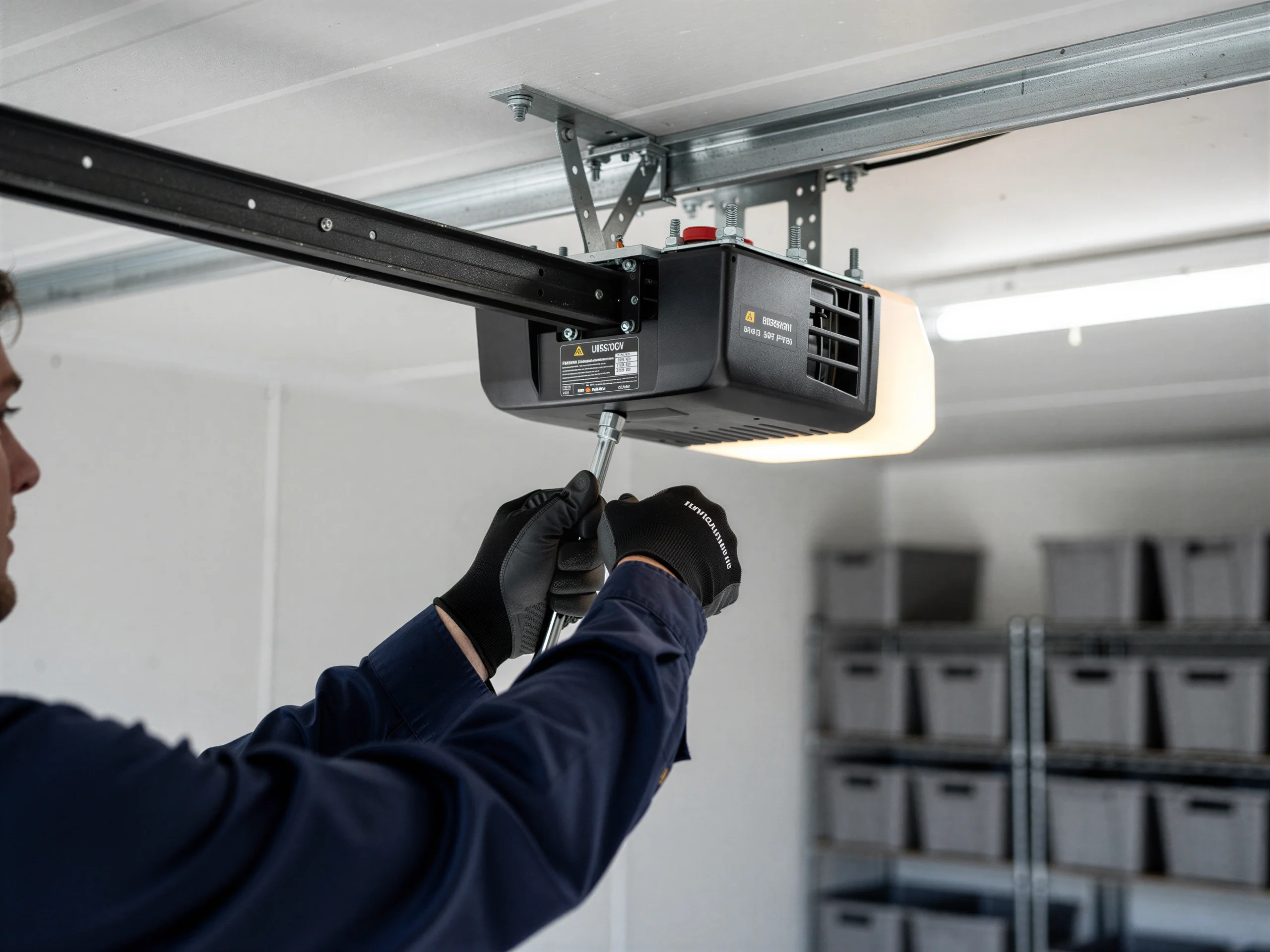
Garage Door Opener Installs for Lakeway's 2000s-Era Homes
Lakeway opener installs matched to 2000s-era home wiring and moderate heat exposure, with options sized for the circuits and headroom in newer Lakeway garages Learn more →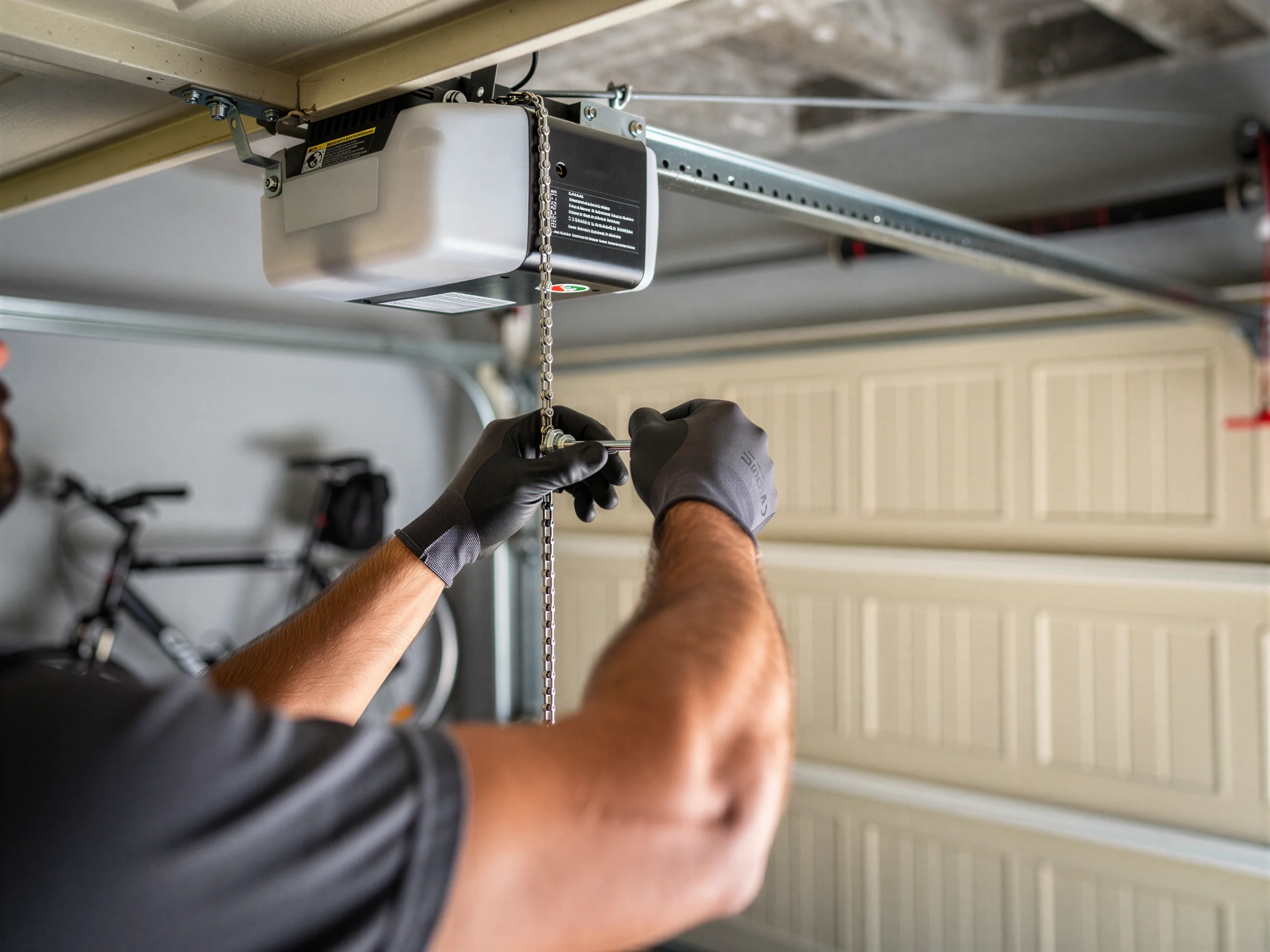
Garage Door Opener Repair for Lakeway Homes
Opener grinding, reversing, or dead on arrival? Learn more →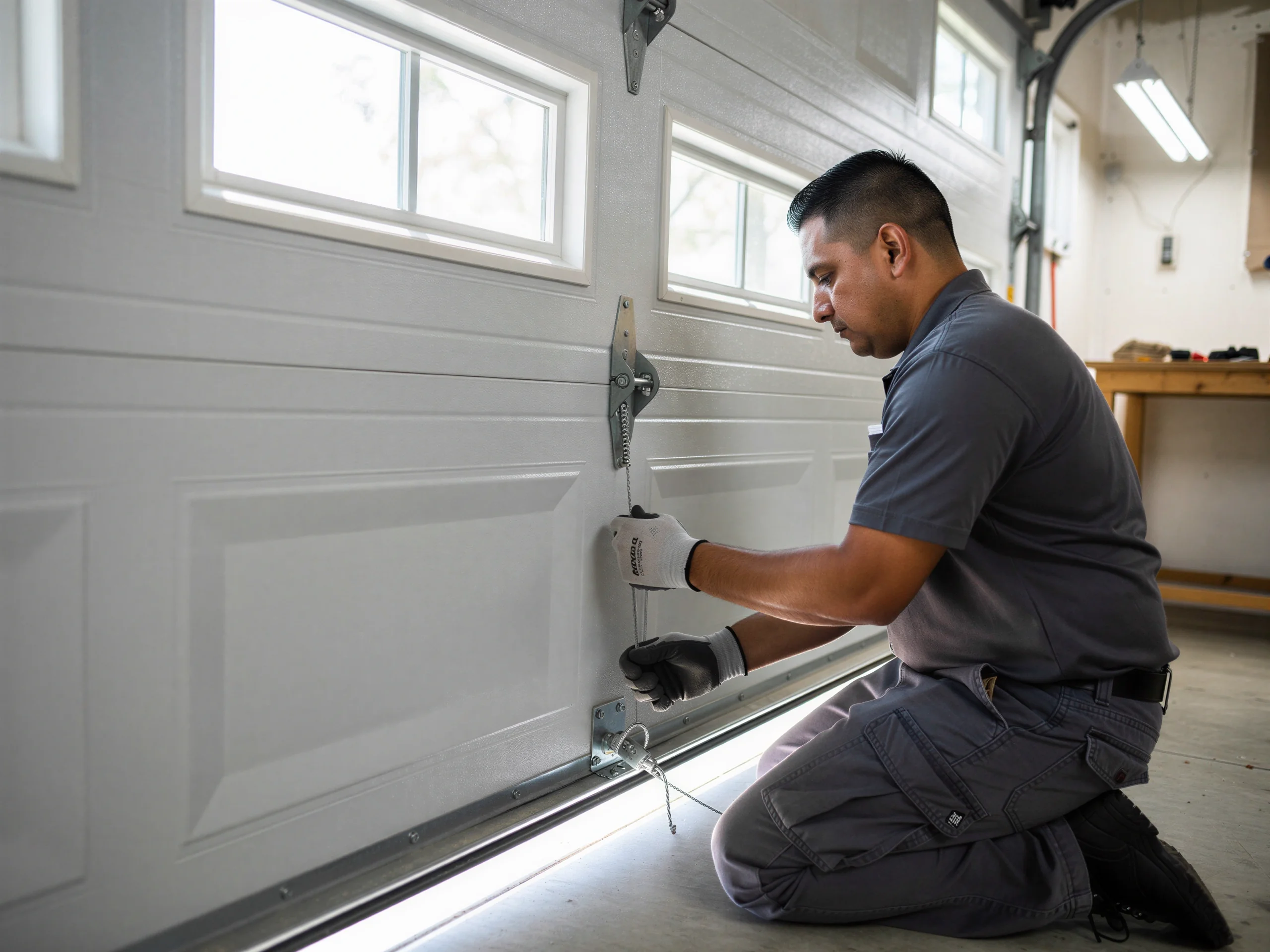
Garage Door Cable Repair for Lakeway Homes
Frayed or snapped garage door cables are common in Lakeway's 2000s-era housing stock. Learn more →Ready when you are
Time for a garage door tune-up in Lakeway?
Lakeway Garage Door Pros repairs and installs garage doors, springs and openers in Lakeway, TX and the surrounding area.