Lakeway, TX
Garage Door Opener Installs for Lakeway's 2000s-Era Homes
Lakeway opener installs matched to 2000s-era home wiring and moderate heat exposure, with options sized for the circuits and headroom in newer Lakeway garages
How It Shows Up
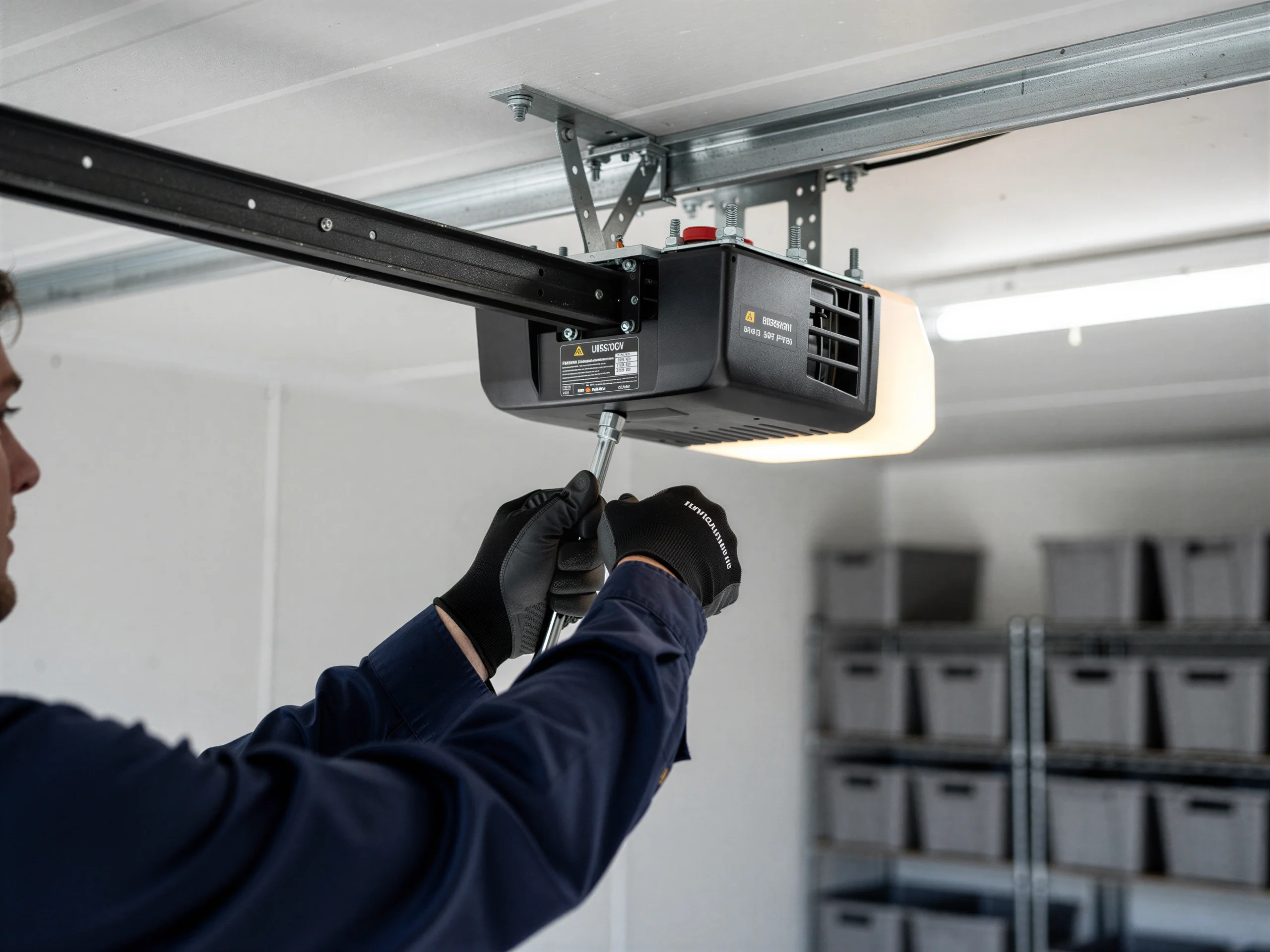
The opener starts slow, then it starts loud, then one morning it just hums and the door doesn't move. That's the usual order. You might notice the remote working from the driveway but not from the street, or the keypad losing its memory every few weeks.
Trolley and sensor faults
Sometimes it's simpler than that: the motor runs but the trolley doesn't grab the chain anymore, or the safety sensors blink an error code instead of letting the door close. A lot of what we see in the service area is original equipment, or the first replacement unit an owner put in without much thought to what the door actually weighs.
Old openers lack parts
Houses in this area were mostly built between 1980 and 2014, with a lot of that stock going up around 2001, so a good share of these openers are now old enough that parts for them aren't made anymore.
Capacitors and boards age
Chain-drive units from that era are workhorses, but the circuit boards and logic boards inside them weren't built to run for 20-plus years in a garage that sees real summer heat.
Why This Fails Locally
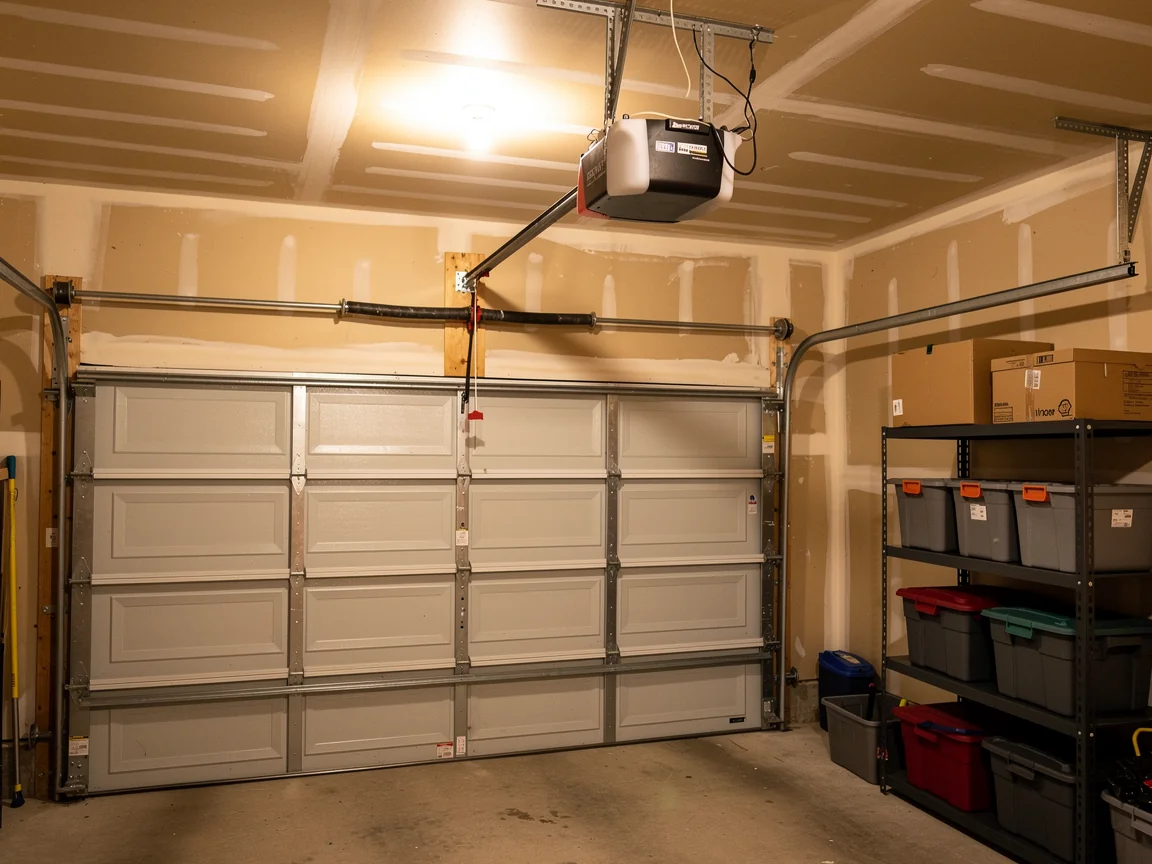
Two things line up here that make opener failure common rather than occasional. First is the age and type of housing stock: homes built from the 1980s through the mid-2010s came standard with openers sized to the door and garage design of that decade, and most of those units have simple logic boards with no surge protection built in. Second is the climate. Lakeway sits in a moderate heat band, and even moderate heat means a garage-mounted circuit board runs through more thermal expansion and contraction in a year than one living inside a conditioned room ever does. That cycling is hard on solder joints, capacitors, and the sensor eyes mounted low near the floor.
Put those two together and you get openers that worked fine for over a decade and then fail within the same year or two across a lot of similar houses, because they were all built the same way at the same time and have been baking in the same heat band since. It's not a defect in any one unit. It's the math of a 2000s-era garage running an electronic device through Texas summers for two decades straight.
Doing It Yourself
A lot of openers can technically be swapped by someone handy with a drill and a ladder, and the instructions that come in the box aren't wrong.
Sizing and wiring steps
Where people get stuck is in the parts the instructions gloss over: matching the opener's horsepower and drive type to the actual weight of the door, wiring in a dedicated circuit if the garage doesn't already have one, and getting the safety reversal sensors aimed and mounted low enough to meet code.
Structural door comes first
The honest limitation here is that we won't install a new opener on a door that's structurally failing - bent track, cracked panels, a spring that's clearly past its life.
Motor burns on binding door
A new motor bolted to a door that can't move freely just burns out the motor faster and hides the real problem. If your door drags, binds, or needs a shove to get moving, that's a door repair conversation first, not an opener upgrade.
How We Fix It
We size the opener to the door - weight, height, and whether it's a single or double - rather than installing whatever's cheapest or most familiar.
Belt drive for noise
For homes with living space above or beside the garage, a belt-drive unit cuts down on the vibration and noise that a chain drive carries through shared walls. Given the moderate heat this area sees, we also check that the unit has decent thermal tolerance in its control board rather than the bargain electronics that fail first in a hot garage.
Straightforward swap upgrades
Across the service area - 23,742 households and 15,786 owner-occupied houses, with a median household income of $127,595 - most of what we install is a straightforward upgrade: swap the old chain-drive for something quieter with battery backup, rewire to a dedicated circuit where needed, and set the travel limits and force settings so the door doesn't slam or stall.
Same stock across towns
The same 2000s-era housing stock and opener wear patterns show up in the towns nearby - Point Venture, Bee Cave, Briarcliff, Hudson Bend, and the rest of the area - which is part of why this is a service we run across the whole region rather than just in one neighborhood.
Questions
Common questions
How do I know if I need a new opener or just a repair?
If the motor runs but the door won't move, or the unit is original to a house built in the 2000s, it's usually cheaper long-term to replace than to keep patching a board that's near the end of its life. If the door itself binds or drags before the opener even engages, that's a door issue, and a new opener won't fix it.
Does Lakeway's heat affect garage door openers?
Yes. Lakeway sits in a moderate heat band, and the thermal cycling a garage-mounted circuit board goes through over a Texas summer is harder on solder joints and sensors than most people expect. It's a slow wear factor, not a sudden one, but it adds up over years.
Can I install a battery backup opener if my garage doesn't have a dedicated circuit?
Often yes, but it usually means adding or confirming a dedicated circuit first. A lot of homes built in this area's 1980-2014 window weren't wired with that in mind, since battery backup wasn't standard when they went up.
Will a new opener fix a door that's hard to lift by hand?
No. If the door is heavy or hard to move manually, that almost always points to a spring or balance problem, not the opener. We won't install a new motor on a door that isn't moving freely, since it just shortens the life of the new unit.
Explore more
Explore More Services In Lakeway, TX
Garage Door Installation for Lakeway Homes
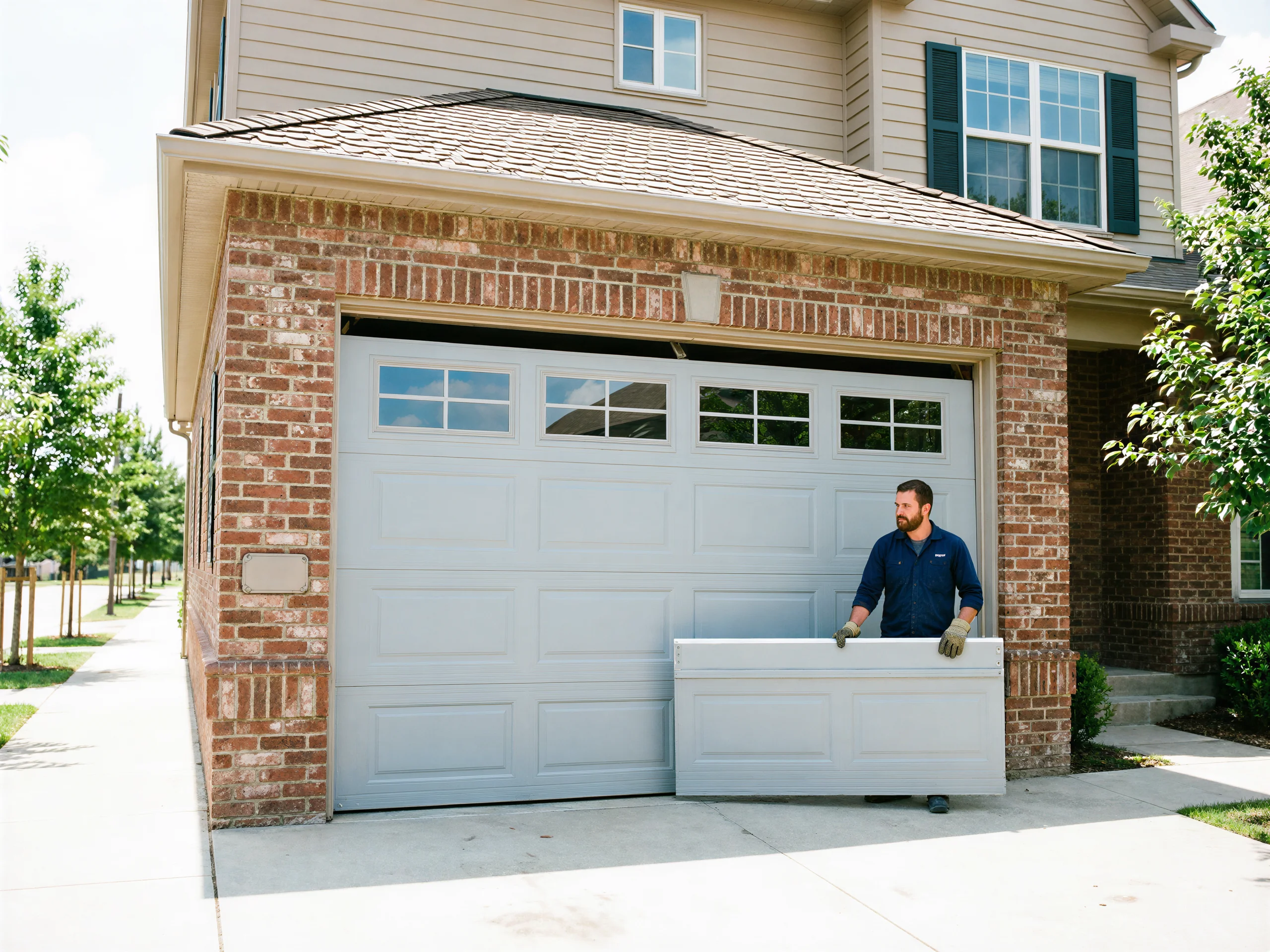
Lakeway homes built mostly between 1980 and 2014 are reaching original garage door and opener end-of-life. Learn more →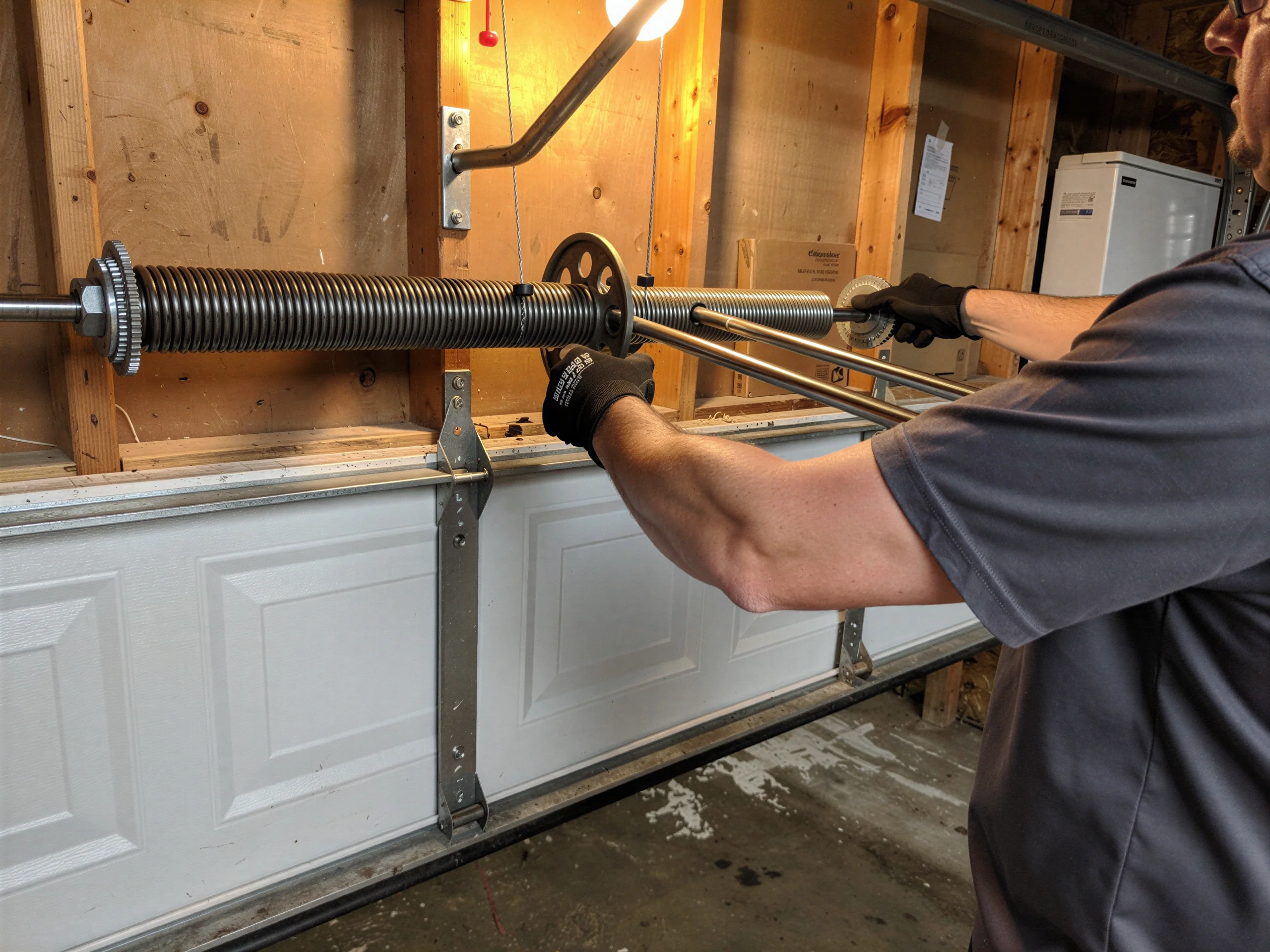
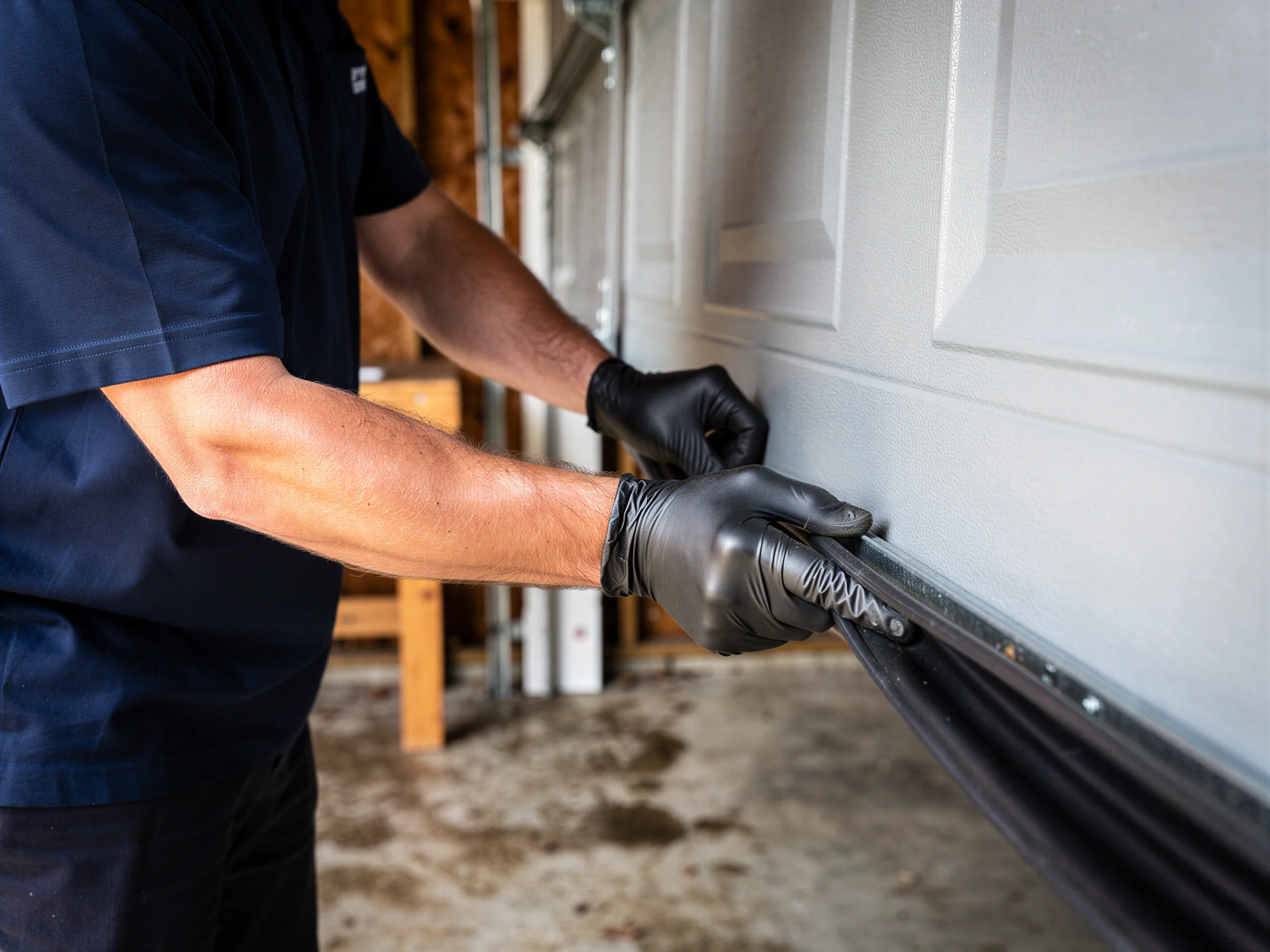
Garage Door Service for Lakeway Homes
Garage door service for Lakeway, TX homes built mostly 2000-2014, where original torsion springs and openers from the housing boom are reaching end of life. Learn more →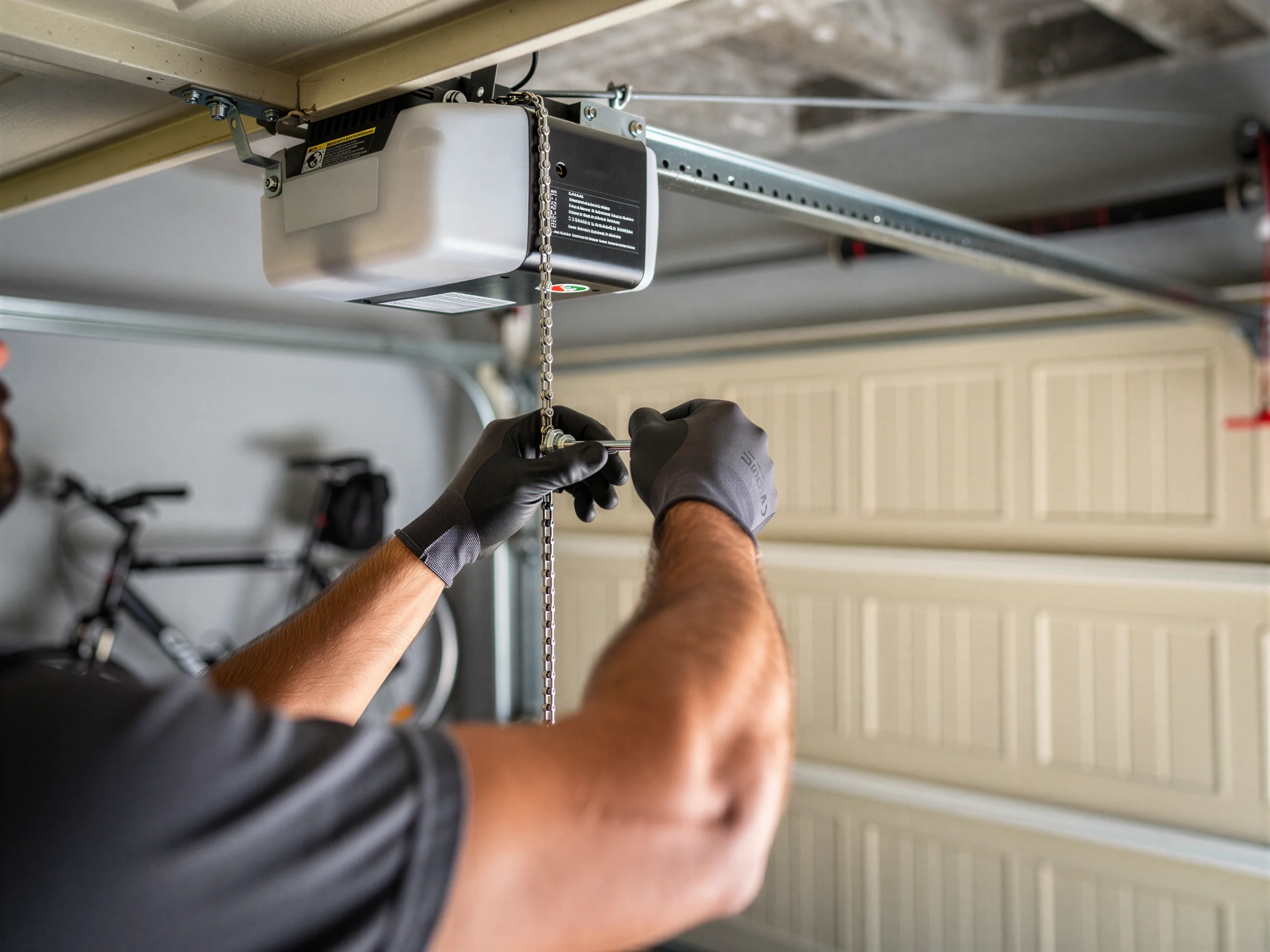
Garage Door Opener Repair for Lakeway Homes
Opener grinding, reversing, or dead on arrival? Learn more →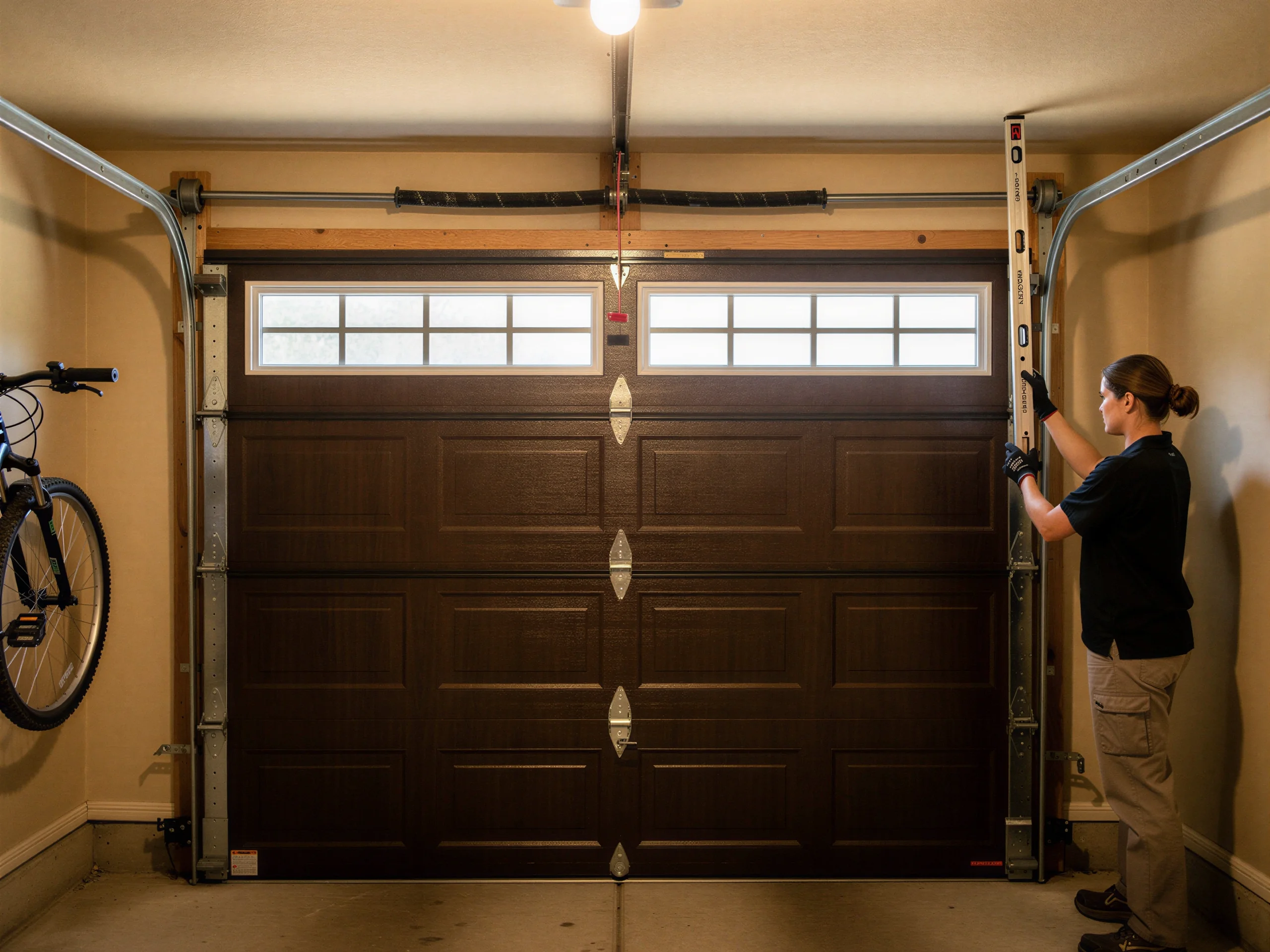
When Your Lakeway Garage Door Won't Open or Close Right
Lakeway Garage Door Pros repairs broken springs, openers, and tracks on the 2000s-era doors common across Lakeway, TX homes built between 1980 and 2014. Learn more →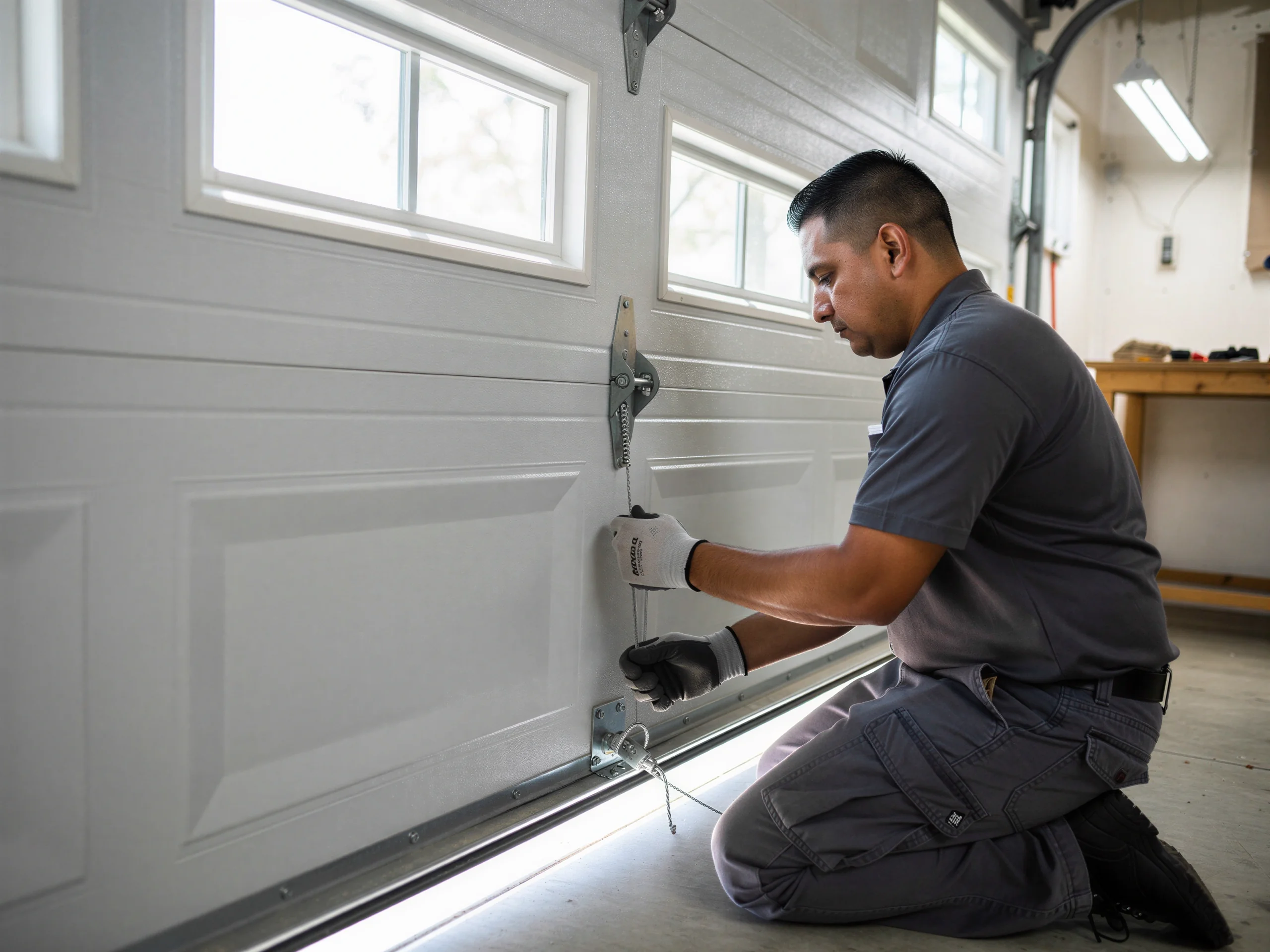
Garage Door Cable Repair for Lakeway Homes
Frayed or snapped garage door cables are common in Lakeway's 2000s-era housing stock. Learn more →Ready when you are
Need a new garage door opener in Lakeway?
Lakeway Garage Door Pros repairs and installs garage doors, springs and openers in Lakeway, TX and the surrounding area.