
Lakeway, TX
Garage Door Service for Lakeway Homes
Garage door service for Lakeway, TX homes built mostly 2000-2014, where original torsion springs and openers from the housing boom are reaching end of life.
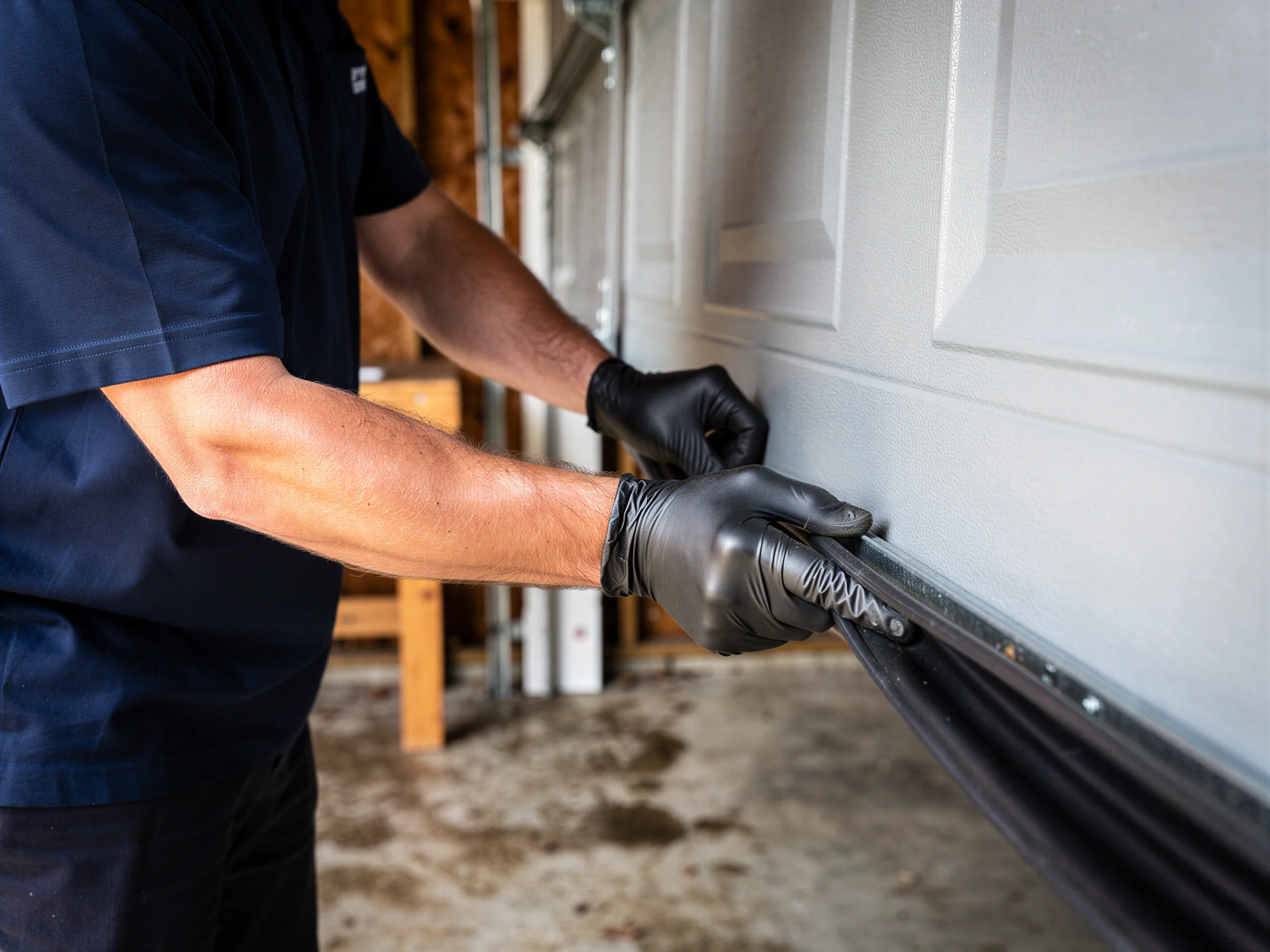
How It Shows Up
The call usually starts the same way: the door won't open all the way, or it opens and then drops the last foot like something let go.
Loud bang, crooked door
Sometimes it's a loud bang from the garage followed by the door sitting crooked in the track. Other times it's quieter - the opener runs but the door barely moves, or it reverses itself halfway up for no reason anyone can see.
Usual failure causes
What's actually happening is usually one of a short list: a torsion spring has snapped or lost tension, a cable has frayed and jumped the drum, the rollers have worn enough that the panel binds in the track, or the opener's drive gear has stripped under a load it can no longer lift. None of these show up overnight.
Slow tension loss
They build for months as tension slowly bleeds off a spring or a gear tooth wears thinner with every cycle, until one morning the door just doesn't come up. In Lakeway specifically, we see this cluster around a certain age of door rather than a certain neighborhood. If your garage door and opener are original to the house, and the house went up anywhere from the late 1990s through the mid-2000s, you're in the window where this starts happening.
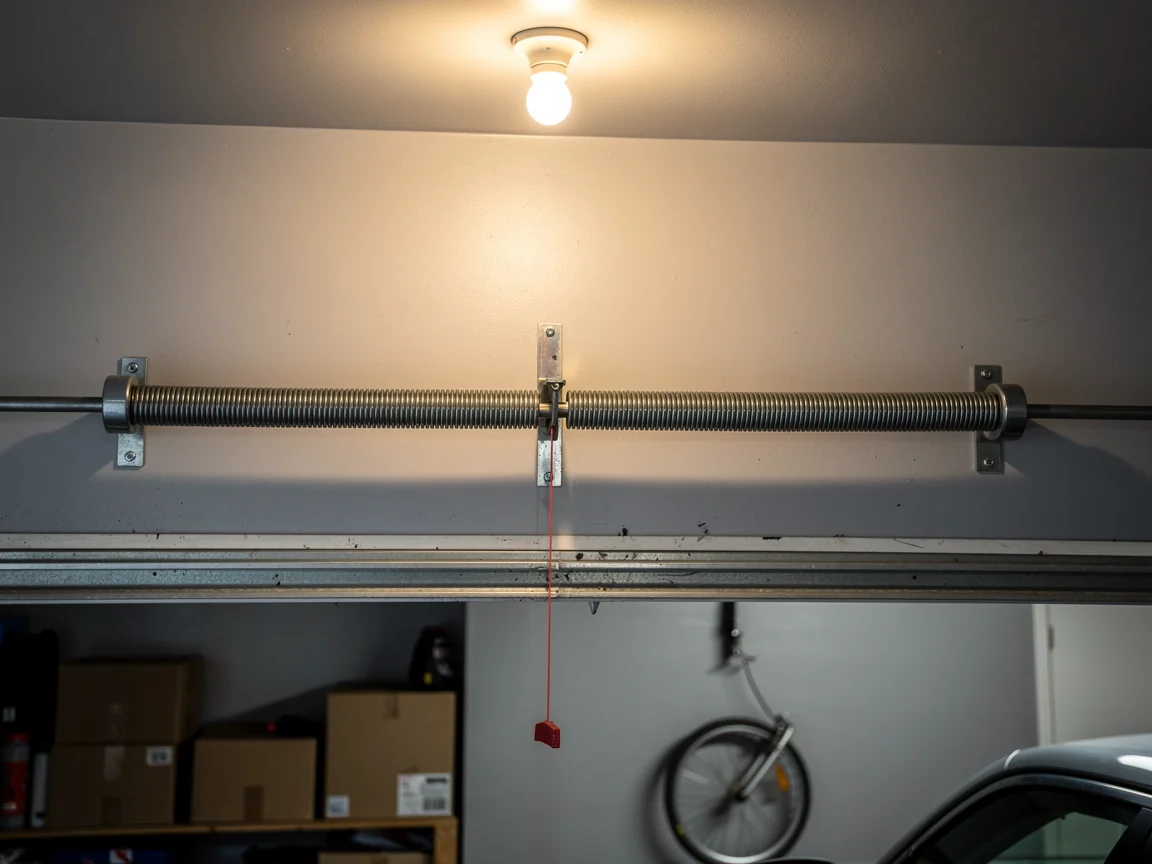
Why This Fails Locally
Housing in Lakeway was built mostly between 1980 and 2014, with the median build year landing around 2001. That one number explains a lot of our call volume. A torsion spring is rated for a set number of open-close cycles, and most residential springs are spec'd for somewhere in the 15-to-20-year range of normal household use. A door installed when the house was built in 2001 is now well past that rating, and it's not a coincidence - it's arithmetic.
Across the sixteen named areas we work in, from Point Venture and Bee Cave out to Briarcliff, Hudson Bend, and the rest, the construction pattern repeats: mostly 2000s stock, similar builders, similar door and opener packages installed at the time. That means the same failure shows up on a predictable schedule block by block, not randomly scattered.
Climate plays a smaller but real part. Lakeway sits in a moderate heat band, and the summer-to-winter temperature swing is still enough to expand and contract steel spring coils and stress plastic opener gears faster than a flat, mild climate would. It's not the dominant factor here - the age of the stock is - but it's the second push on parts that are already near the end of their rated life.
Doing It Yourself
There's a real split between what's safe to check yourself and what isn't. Safe: wipe down and lubricate the rollers and hinges, listen for grinding or squealing, check that the door doesn't slam down in the last few inches (a sign the spring tension is dropping), and make sure the photo-eye sensors near the floor are clean and aligned.
Safe ten-minute checks
All of that takes ten minutes and a rag. Not safe: touching the torsion spring itself. A wound torsion spring holds enough stored force to break a finger or worse if it lets go while you're adjusting the set screws, and the tools to do it right aren't something most homeowners have sitting in the garage.
Frayed cable hazards
Same goes for the cables - if one has frayed, the other is probably close behind, and pulling a door open manually on a broken spring is how people hurt their backs or drop a panel on a foot.
Single repair limits
Honest limitation: if your opener and door are both original to a 2001-era build and showing multiple symptoms at once - noise, drift, slow response - a single repair sometimes just buys a few more months before the next part fails. At that point we'll tell you straight that replacement is the better dollar, not talk you into another patch repair.
How We Fix It
We start by testing the door's balance and the opener's force settings before touching anything, because a spring replacement on a door that's out of balance just wears the new spring the same way the old one wore.
Spring weight matching
If it's a snapped or weak torsion spring, we match it to the door's weight and cycle rating rather than guessing at a generic size. If it's cable, rollers, or track, we check all three together since on an older door they tend to fail in sequence, not isolation.
Opener repair versus replace
For openers from the 2000s build era, we'll tell you plainly when a gear or circuit board repair makes sense and when the unit is old enough that parts availability makes replacement the faster, more reliable fix.
Parts stocked for area
We run calls across the Lakeway area out to Point Venture, Bee Cave, Briarcliff, Hudson Bend, Lago Vista, and the other nearby communities, so the parts on the truck are already sized for the 2000s-construction doors most common out here.
Questions
Common questions
How old does a garage door spring have to be before it needs replacing?
Most torsion springs are rated for roughly 15 to 20 years of normal use. If your house was built around the Lakeway median of 2001 and the spring is original, it's already past or deep into that window. Age alone isn't a death sentence, but combined with noise, uneven lift, or the door dropping in the last few inches, it's a strong sign.
Why do so many doors in Lakeway seem to fail around the same age?
Because so much of the local housing stock went up in the same window, roughly 1980 to 2014 with a median year of 2001. Builders used similar door and opener packages at the time, so the parts are hitting end-of-life on a similar schedule across the sixteen areas we cover, not randomly house by house.
Can I replace a torsion spring myself?
We'd tell you not to. A wound torsion spring stores enough force to cause a serious injury if it releases while you're working on it, and it takes winding bars and a method most homeowners don't have on hand. Rollers, hinges, and sensor cleaning are fine to do yourself - the spring itself isn't.
Is it better to repair or replace an opener from the early 2000s?
It depends on what's failing. A stripped gear or a bad circuit board on an otherwise sound unit is often worth repairing. But if the opener is original to a 2001-era build and showing more than one symptom, parts availability and the cost of chasing failures one at a time usually tips it toward replacement - we'll say so plainly rather than stack repairs.
Explore more
Explore More Services In Lakeway, TX
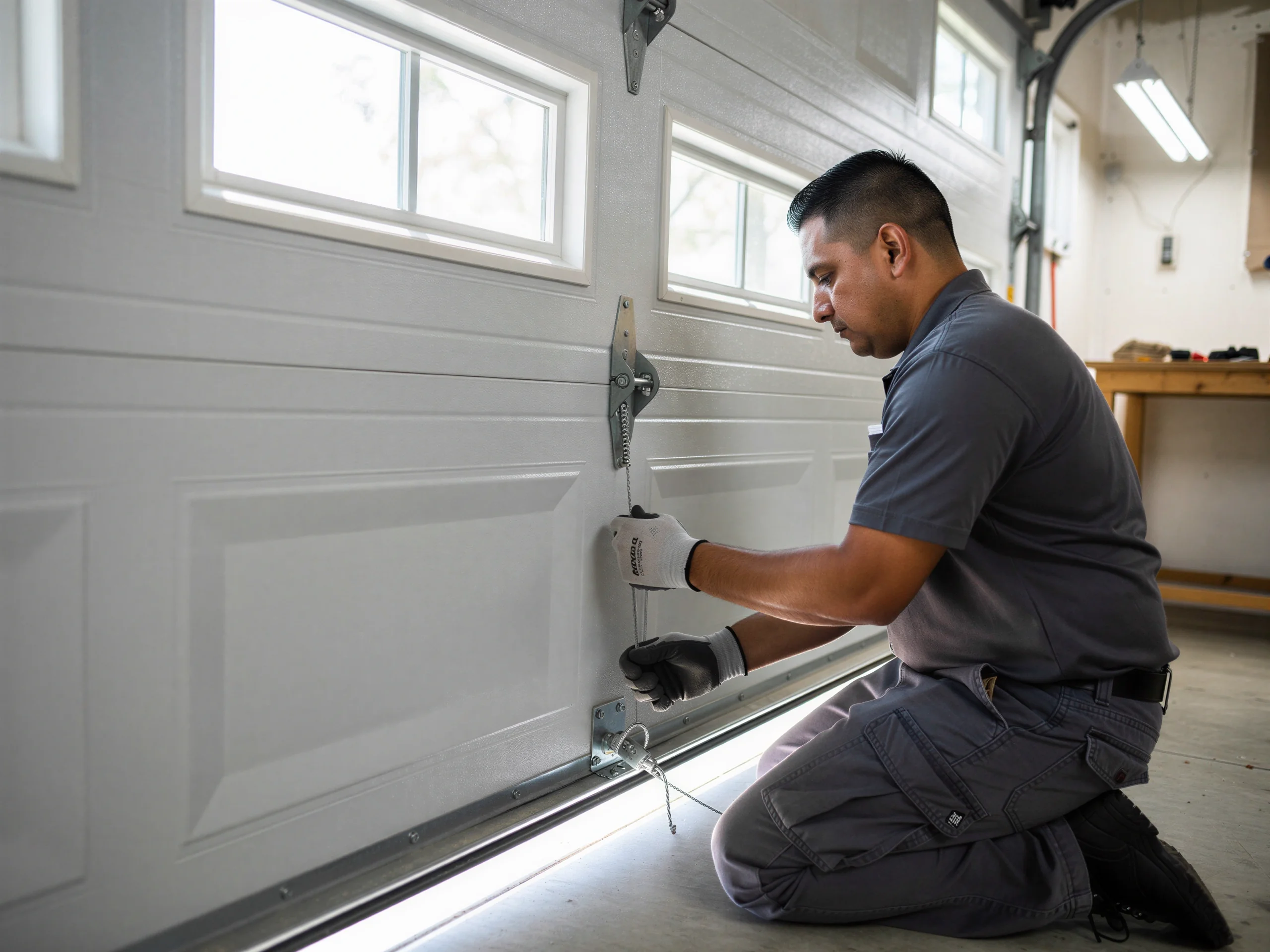
Garage Door Cable Repair for Lakeway Homes
Frayed or snapped garage door cables are common in Lakeway's 2000s-era housing stock. Learn more →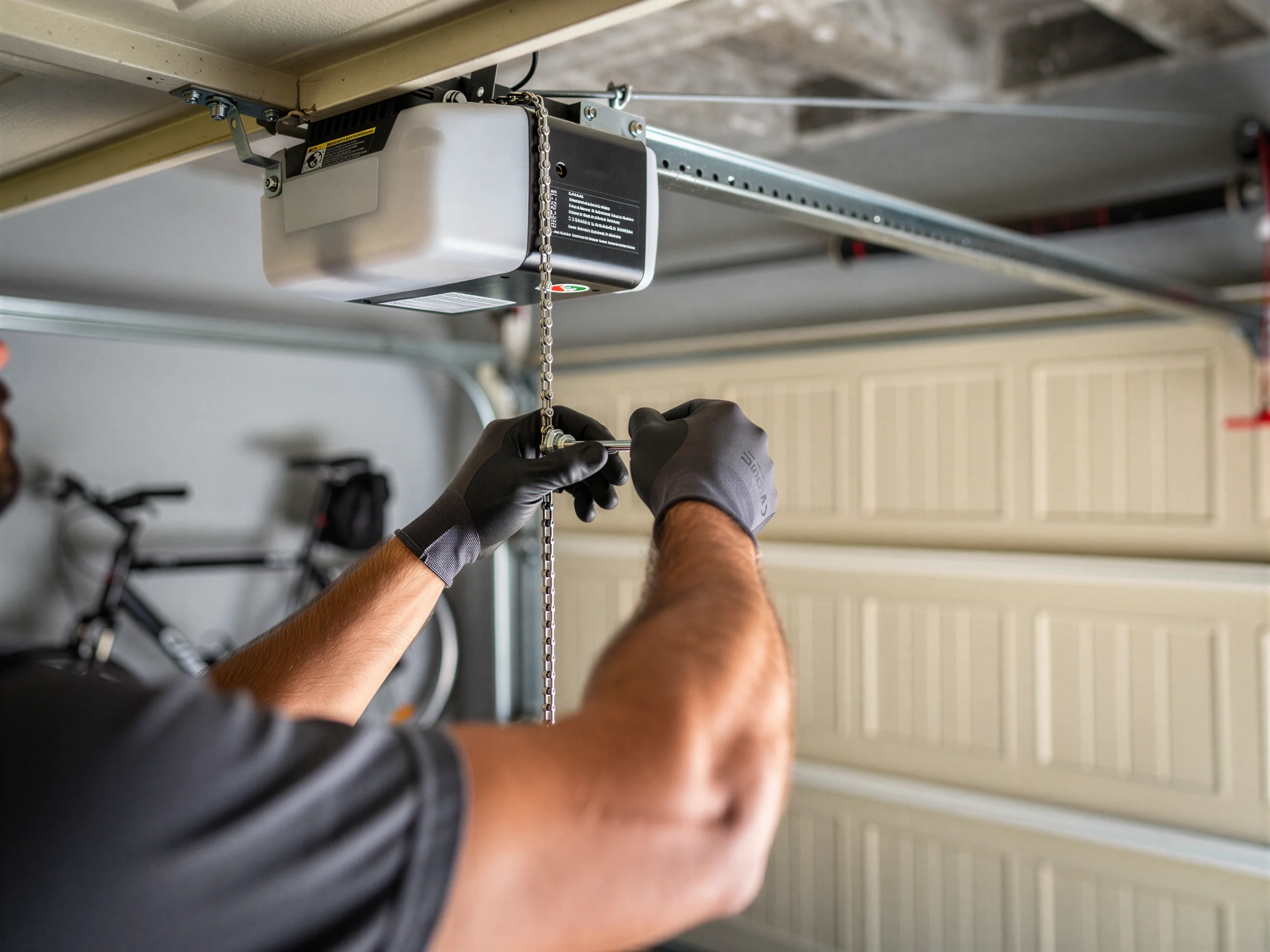
Garage Door Opener Repair for Lakeway Homes
Opener grinding, reversing, or dead on arrival? Learn more →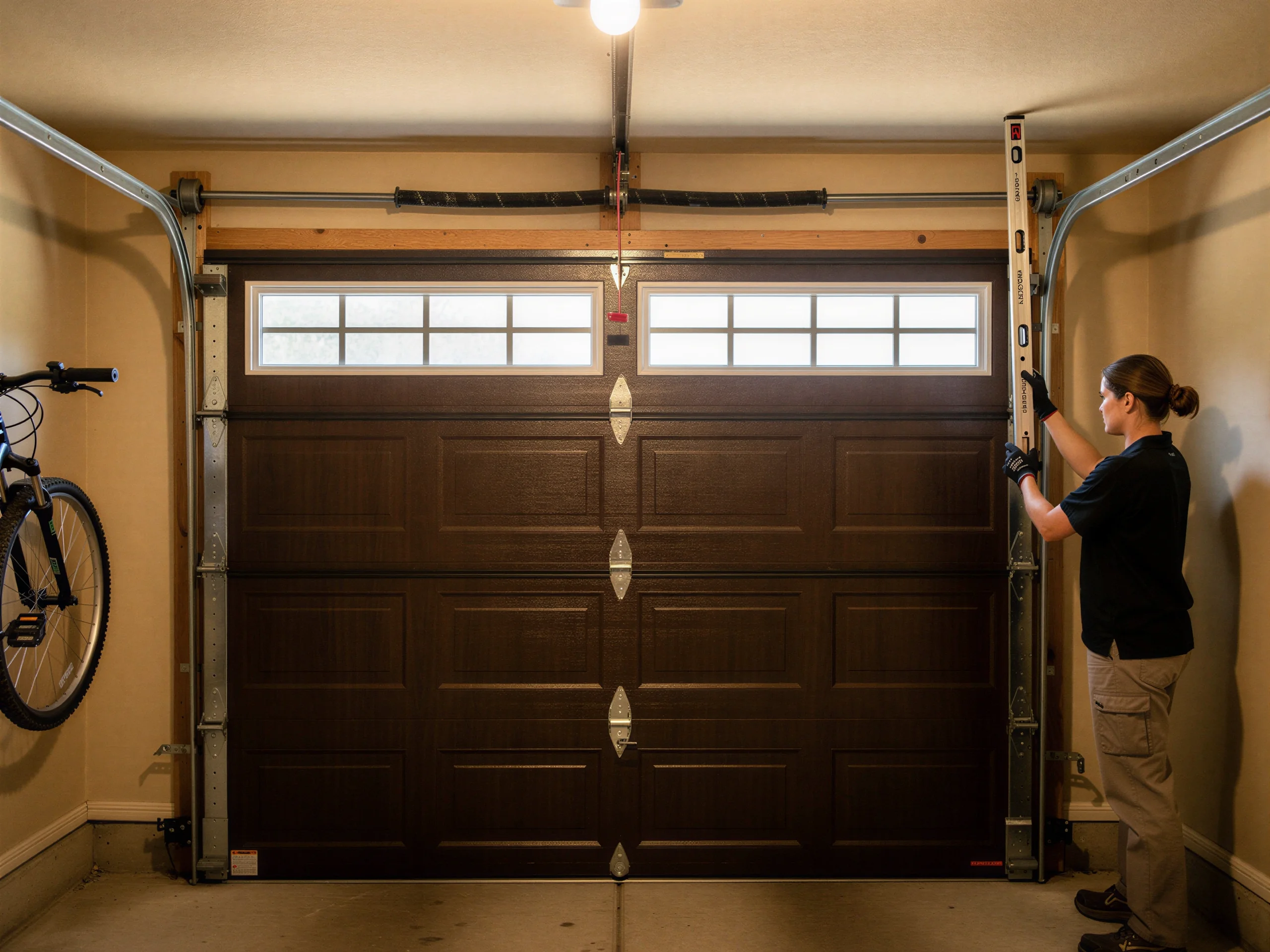
When Your Lakeway Garage Door Won't Open or Close Right
Lakeway Garage Door Pros repairs broken springs, openers, and tracks on the 2000s-era doors common across Lakeway, TX homes built between 1980 and 2014. Learn more →
Garage Door Maintenance Built Around Lakeway's Housing Stock
Garage door maintenance for Lakeway's 1980-2014 housing stock, where original springs, rollers, and openers are aging out at the same time across the whole area. Learn more →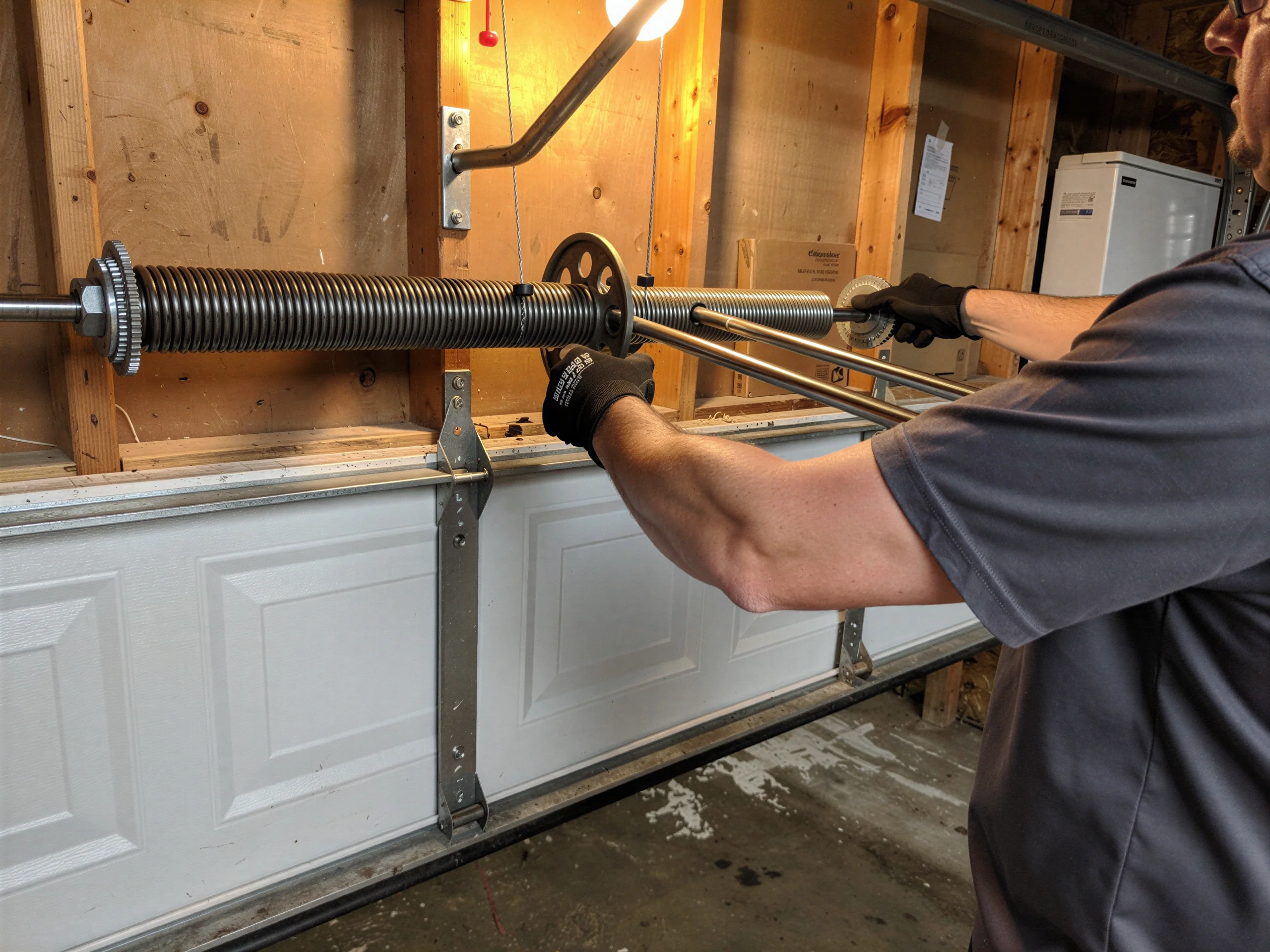
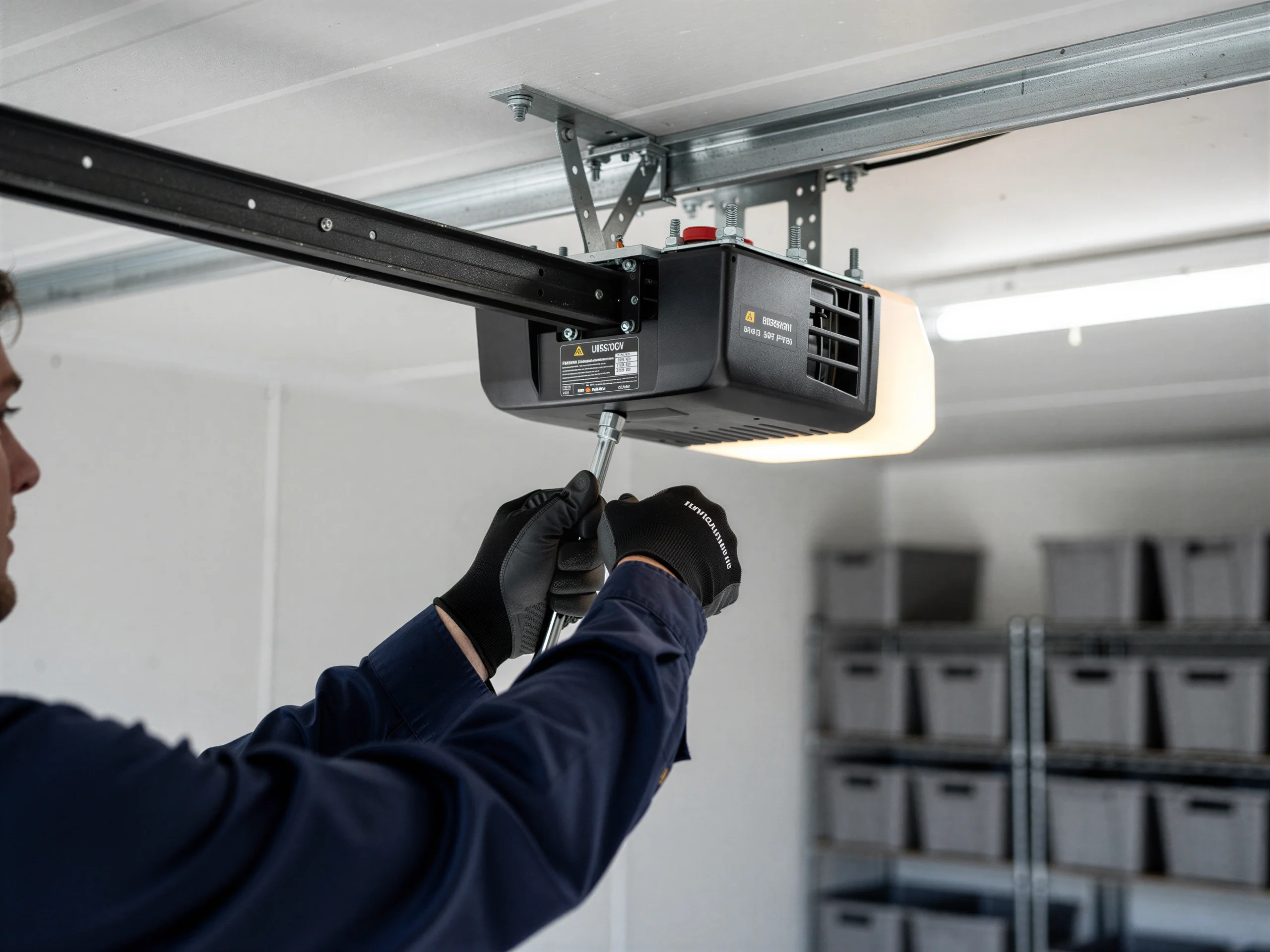
Garage Door Opener Installs for Lakeway's 2000s-Era Homes
Lakeway opener installs matched to 2000s-era home wiring and moderate heat exposure, with options sized for the circuits and headroom in newer Lakeway garages Learn more →Ready when you are
Need garage door service in Lakeway?
Lakeway Garage Door Pros repairs and installs garage doors, springs and openers in Lakeway, TX and the surrounding area.