Dripping Springs, Lakeway
Garage Door Maintenance for Dripping Springs Homes
Dripping Springs sits 13 miles from our shop, and most of its garage doors went up around 2013. That gap changes what a maintenance call here actually finds.
Parts We Carry
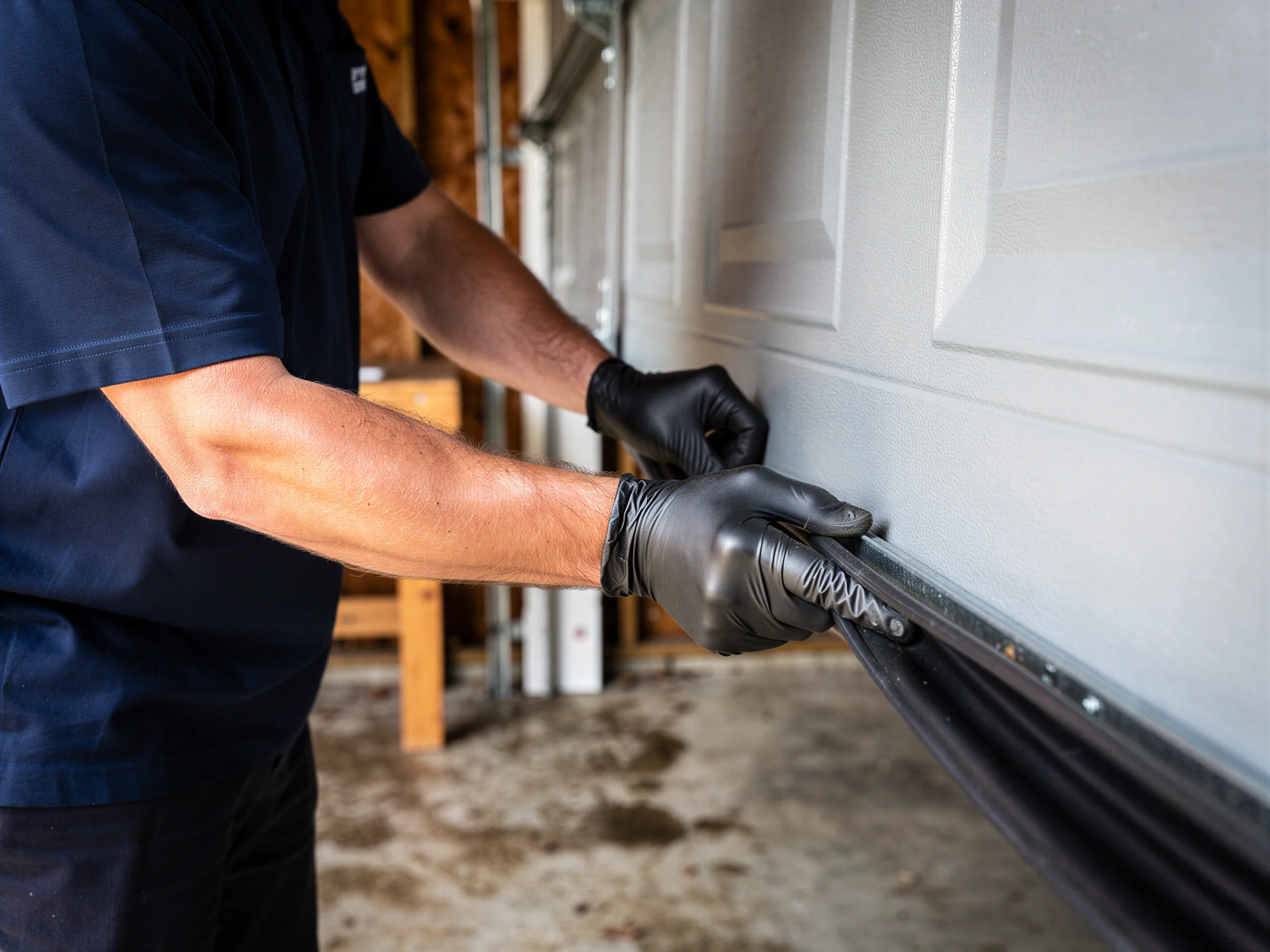
The drive from Lakeway to Dripping Springs runs about 13 miles, and that distance shapes how we stage a maintenance visit. We don't keep a branch out here, so the truck is loaded before we leave with the parts a 2013-era door actually needs - not the parts an older neighborhood needs.
Spring, roller, belt stock
Houses in this part of the service area were mostly built around 2013, which means torsion springs rated for mid-weight insulated steel doors, nylon rollers instead of the steel ones older stock still runs on, and openers with photo-eye safety sensors already wired in rather than bolted on after the fact.
Newer parts bag
That's a different parts bag than what we'd pack for a house built in the 1990s. We carry standard-duty torsion springs, sealed ball-bearing rollers, and the common drive belts and chains that fit the openers installed as original equipment in this build era.
How We Fix It
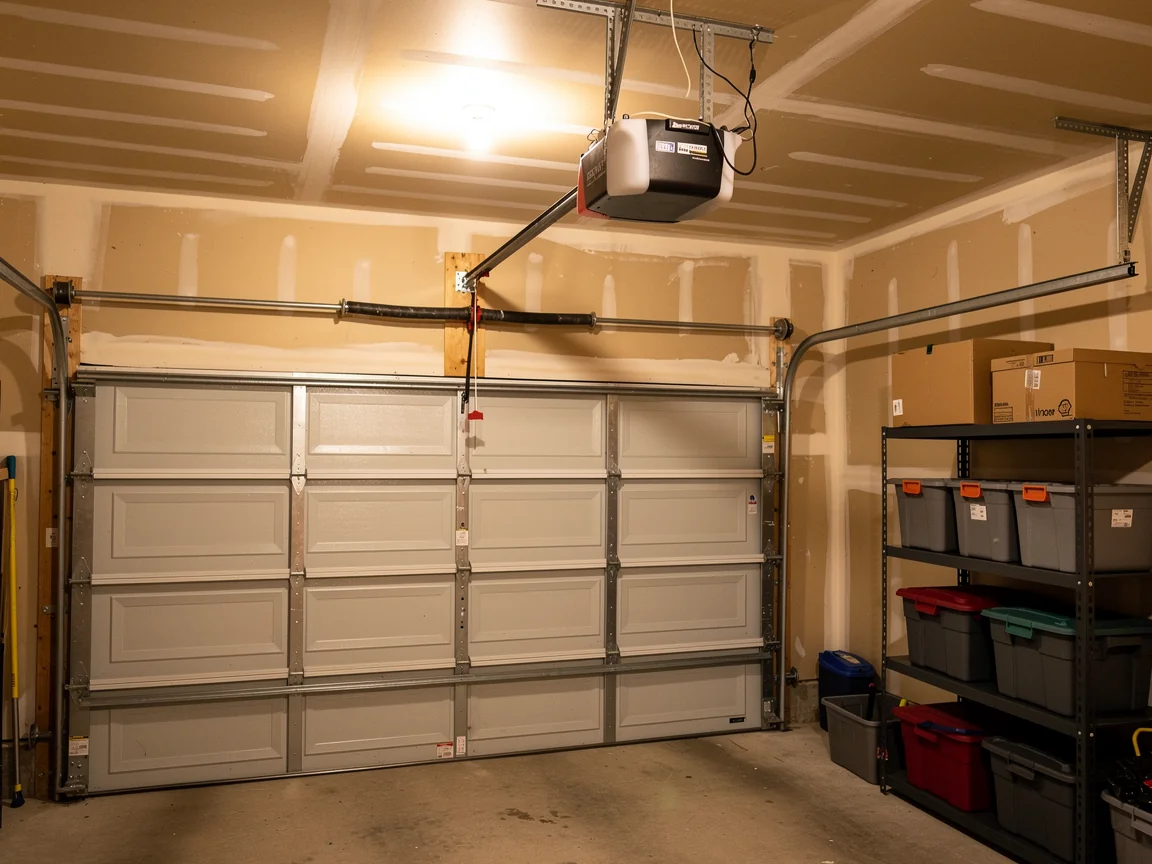
A maintenance visit on a 2013-built door starts with a balance check, not a lube job, because doors from this era are light enough that a half-pound spring tension error shows up fast as opener strain.
Halfway hand lift test
We disconnect the opener, lift the door by hand to the halfway point, and see if it holds. If it drops or climbs, the spring is out of tension and that's the first thing we adjust - before anything gets oiled. After balance, we run the track alignment check and look at roller wear.
Roller collar inspection
Nylon rollers common to this construction period wear at the collar first, not the wheel face, so a quick glance can miss it; we check both. We test the photo-eye sensors for alignment and clean the lenses, since Texas Hill Country dust settles on them faster than most owners expect.
Silicone lubricant instead
Cables and drums get a visual pass for fraying, and we lubricate hinges, rollers, and the torsion spring itself with a silicone-based lubricant rather than grease, which holds up better against the heat this area sees most of the year. We close out with a reversal safety test on the opener, confirming the door stops and reverses when it meets resistance. The whole sequence takes under an hour on a door that's been kept up; longer if it hasn't been touched since the house was built.
The Cost of This Job
We don't have a posted price for Dripping Springs calls specifically, and we're not going to invent one here. What we can tell you is what drives the number: the 13-mile drive from Lakeway is part of every quote, and it's a fixed cost whether the job takes twenty minutes or two hours.
Shorter maintenance visits
Beyond that, the actual maintenance work on a 2013-era door tends to run shorter than on an older one, simply because the hardware hasn't had three decades to wear down to the point where something needs replacing mid-visit rather than just adjusting.
Findings drive the price
What changes the number up or down is almost always what the balance test and roller inspection turn up. A door that's in spec costs less time than one where a roller collar has cracked or a cable has started to fray.
Parts billed separately
We'll tell you on site what we're seeing before we touch anything billable, and if a part needs replacing rather than servicing, that's a separate conversation with its own number - not folded into a maintenance visit without your say-so.
Why This Fails Locally
Most garage doors in this part of the service area are tied to construction from around 2013, which puts them solidly in the newer tier of housing stock we work on - younger than the 1980-2014 range covering the broader 16 areas we serve, and skewed toward the late end of it. That matters because newer doesn't mean maintenance-free. The failure pattern we see most in Dripping Springs isn't the classic worn-out torsion spring from a 40-year-old door; it's opener circuit boards and photo-eye sensors degraded by sustained heat exposure. The region sits in a moderate heat climate band, and a garage that faces west or gets afternoon sun will push an opener's electronics through more thermal cycling in a decade than a shaded one sees in two.
The second local pattern is rollers. Builders in this era leaned on nylon rollers across the board, which run quieter than steel but wear at the collar under repeated heat-expansion-and-contraction rather than failing all at once. An owner won't hear a grinding roller the way they would with steel - the door just gets slightly rougher over a year or two until it's noticeably off-track. Routine maintenance catches that collar wear before it turns into a jammed track.
Where This Job Goes Sideways
The maintenance call that turns into something bigger almost always starts with the opener, not the door itself. Because most houses out here were built around the same time, in 2013, their openers are hitting a similar age window at the same time too - and heat-related circuit board failure doesn't always show up as a dead opener.
Intermittent reversal causes
Sometimes it shows up as intermittent reversal, where the door stops and reverses for no visible reason, which an owner reasonably assumes is a sensor problem when it's actually the board losing its tolerance to switch cleanly under heat load.
Wiring fault after service
The other place this goes sideways: a door that's been running fine gets a maintenance visit, passes the balance test, and then fails two months later anyway, because the failure was never mechanical - it was a wiring connection at the opener head loosened by thermal expansion, something a visual maintenance check won't always catch unless the opener is pulled down.
No unneeded wiring teardown
We'll flag it as a possibility on any door past a certain age, but we won't recommend tearing into wiring that's showing no symptoms. That's a repair looking for a problem, and it costs you money for no reason.
Questions
Common questions
How far out is Dripping Springs from your shop, and does that affect scheduling?
It's about 13 miles from Lakeway. We don't keep a branch in Dripping Springs, so every visit is routed from our shop. We stage the truck with parts suited to this area's 2013-era housing stock before heading out, which keeps most maintenance visits to a single trip.
Why does my 2013-built house already have garage door problems?
Newer doesn't mean problem-free. Houses from this build era commonly use nylon rollers and openers with photo-eye sensors that are sensitive to sustained heat exposure. The wear shows up differently than on an older steel-roller door - quieter, but it still needs the same balance and roller checks.
Do you carry parts for older doors too, or just newer ones?
We stock for the dominant construction era in whatever neighborhood we're visiting. Dripping Springs skews toward 2013-era hardware, so that's what rides on the truck by default - tell us at booking if your door is older or was replaced separately from the house.
Will a maintenance visit catch an opener that's about to fail?
Sometimes, not always. We test reversal safety and sensor alignment on every visit, which catches a lot. But heat-related circuit board wear can be intermittent and won't always show symptoms during a short visit. We'll flag the opener's age as a risk factor rather than guess at a failure that isn't presenting yet.
Explore more
More Services in Dripping Springs
Cable Repair
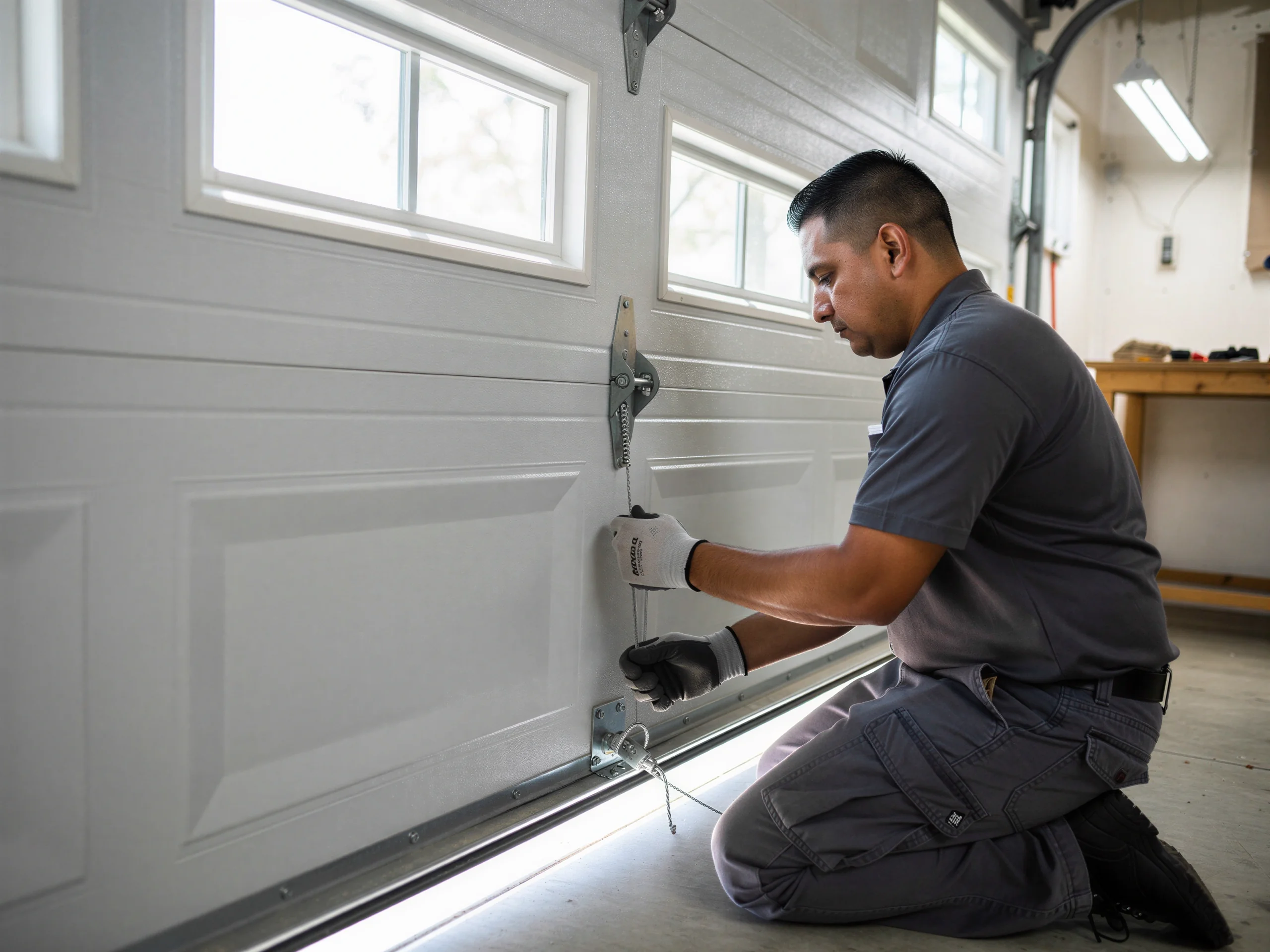
Garage doors built after 2010 in Dripping Springs use factory lift cables that fray differently than older stock. Learn more →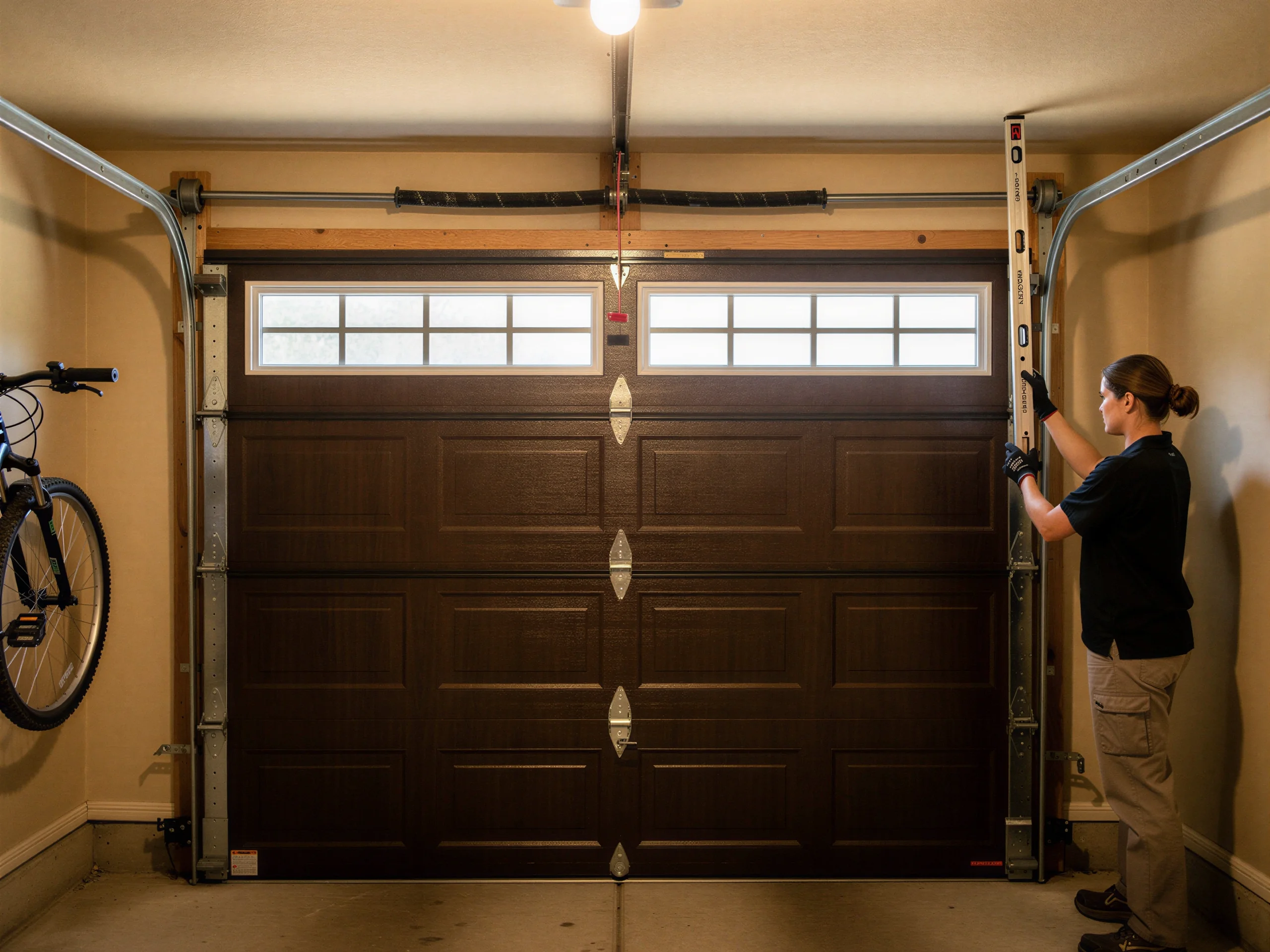
Garage Door Repair
Dripping Springs homes mostly went up around 2013, newer than the Lakeway area average - that changes which springs and panels fail first. Learn more →
Garage Door Service
Dripping Springs homes mostly went up around 2013 - newer builds with original springs and openers now reaching the age where they start to fail. Learn more →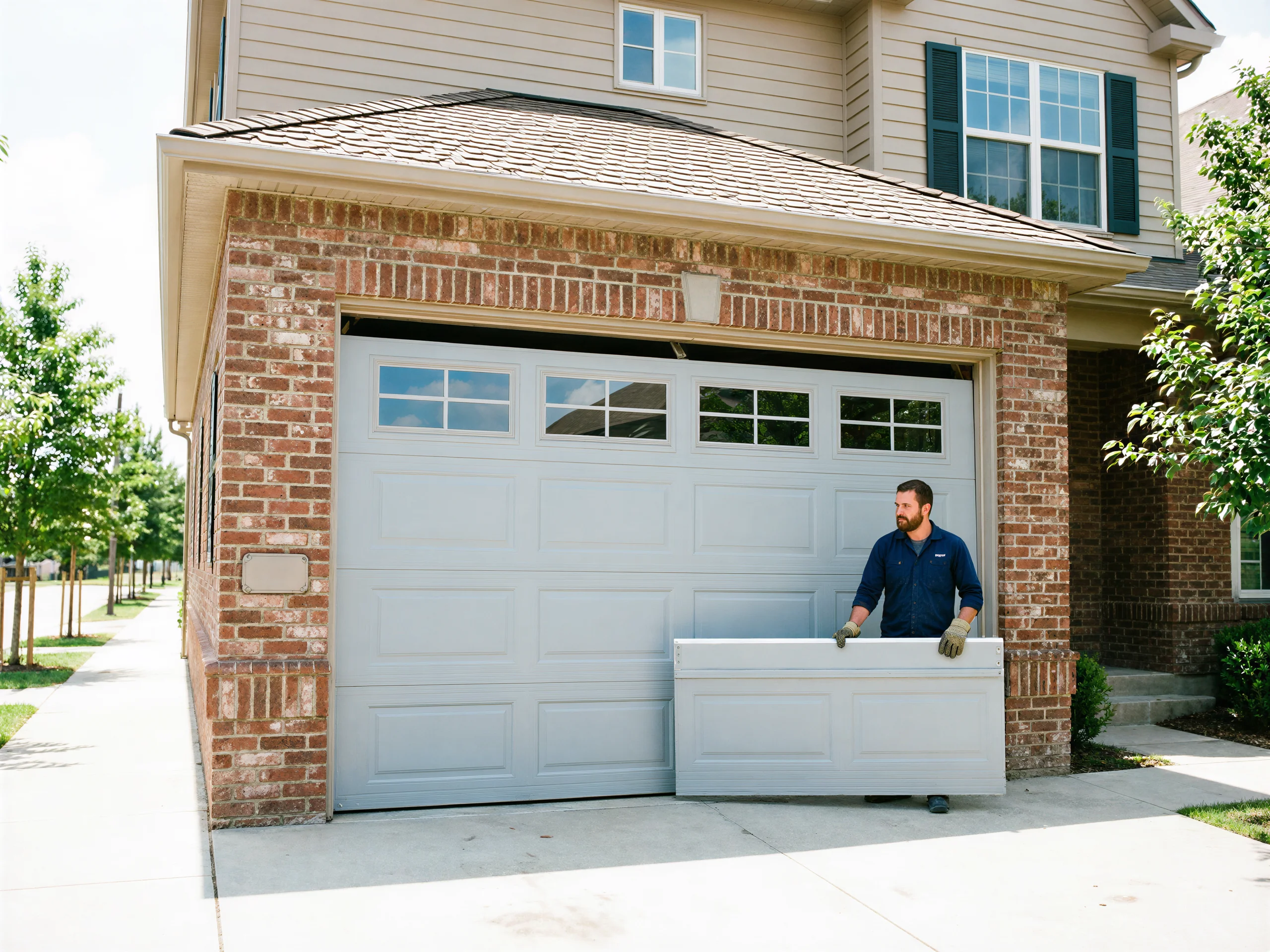
New Door Installation
Dripping Springs homes mostly date to 2013, newer builder-grade doors than the rest of the Lakeway service area. Learn more →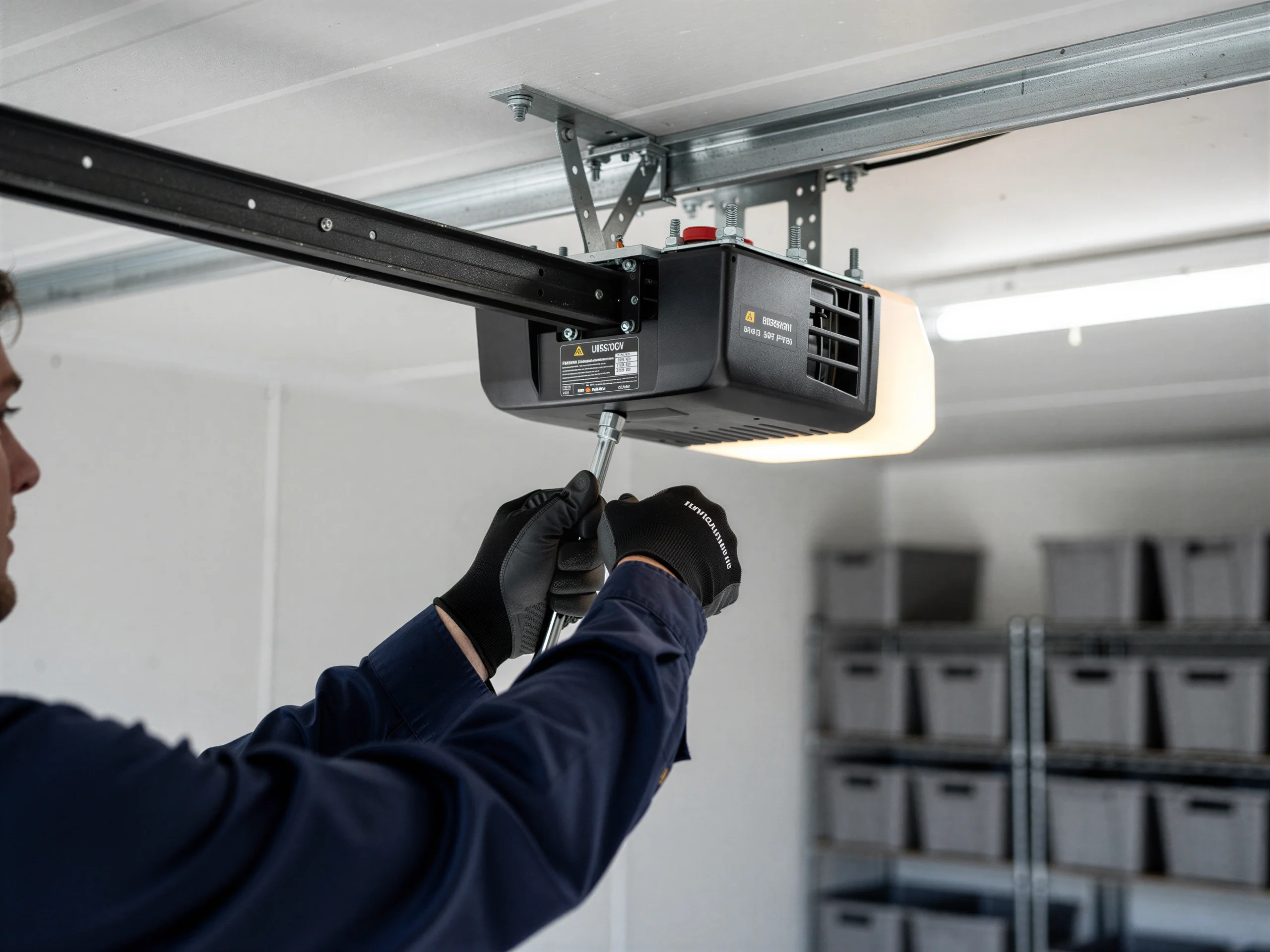
Opener Installation
Garage door opener installation in Dripping Springs, TX, where most homes were built around 2013 and openers are aging. Learn more →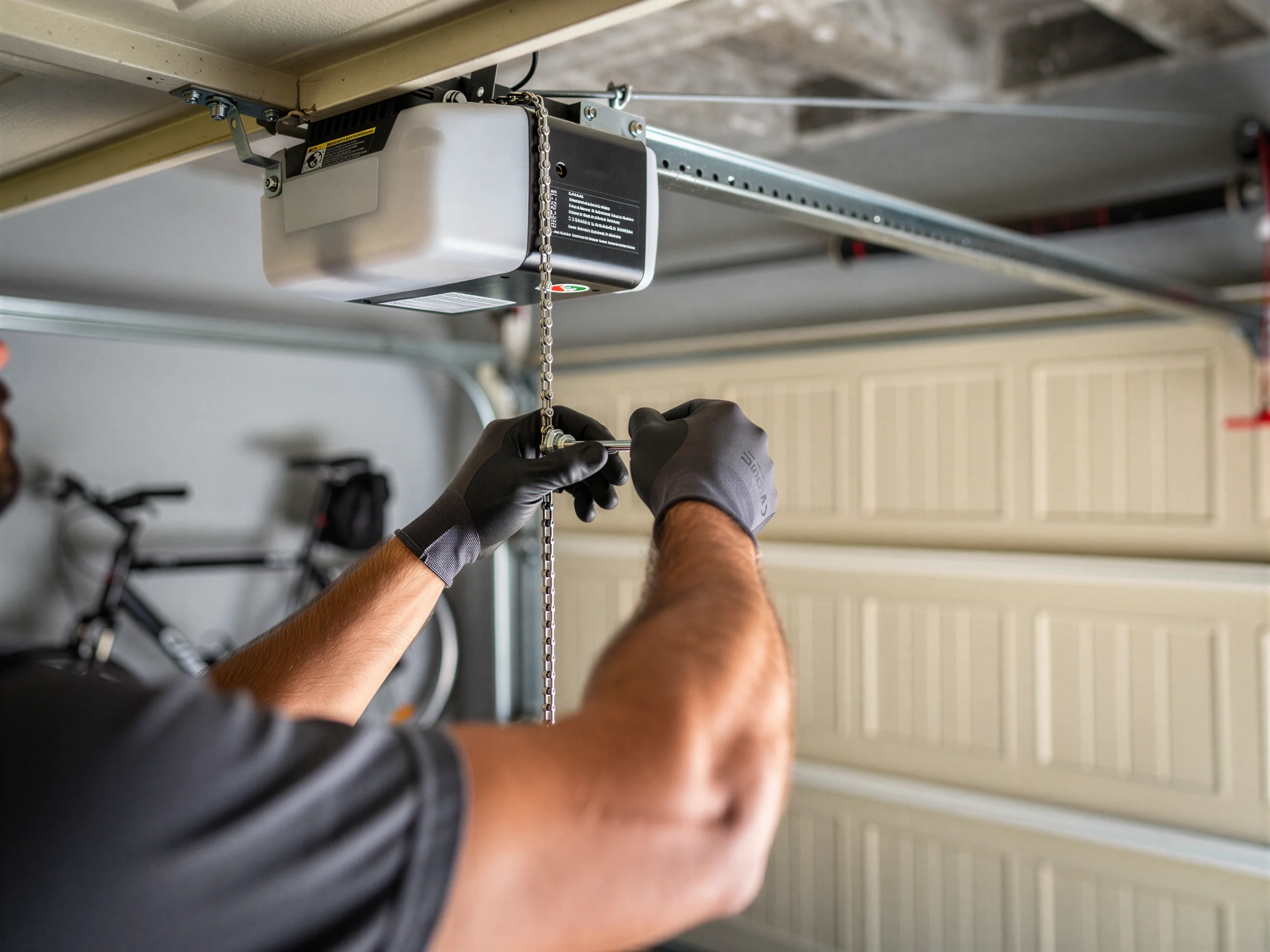
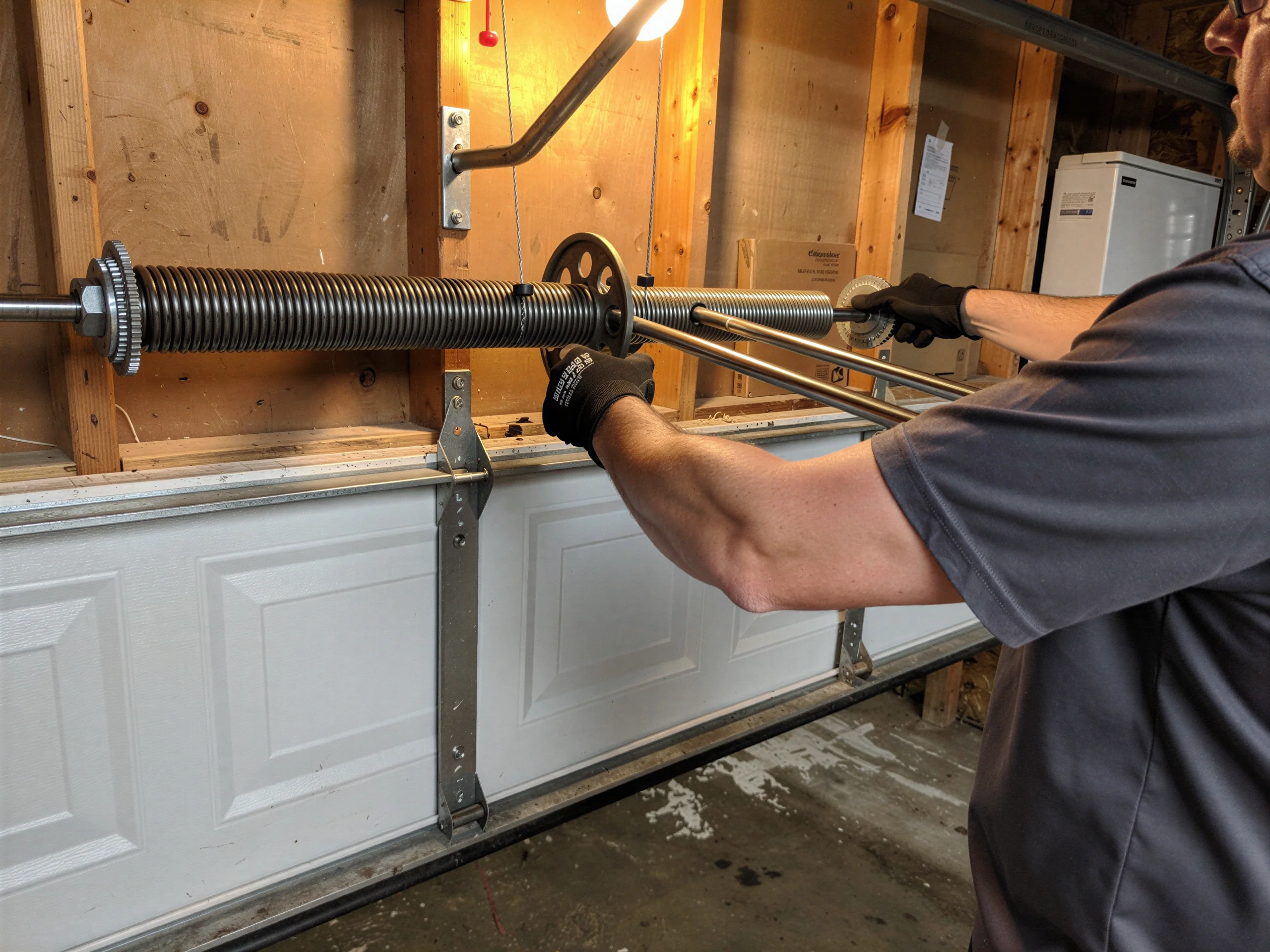
Spring Repair
Dripping Springs homes mostly date to 2013, a decade newer than the area median. Learn more →Ready when you are
Time for a garage door tune-up in Dripping Springs?
Lakeway Garage Door Pros repairs and installs garage doors, springs and openers in Lakeway, TX and the surrounding area.