
Shady Hollow, Lakeway
Garage Door Maintenance for Shady Hollow Homes
Shady Hollow homes date mostly to 1987 - different hardware than newer Lakeway stock. We drive the 15 miles out for tune-ups and know what that era needs.
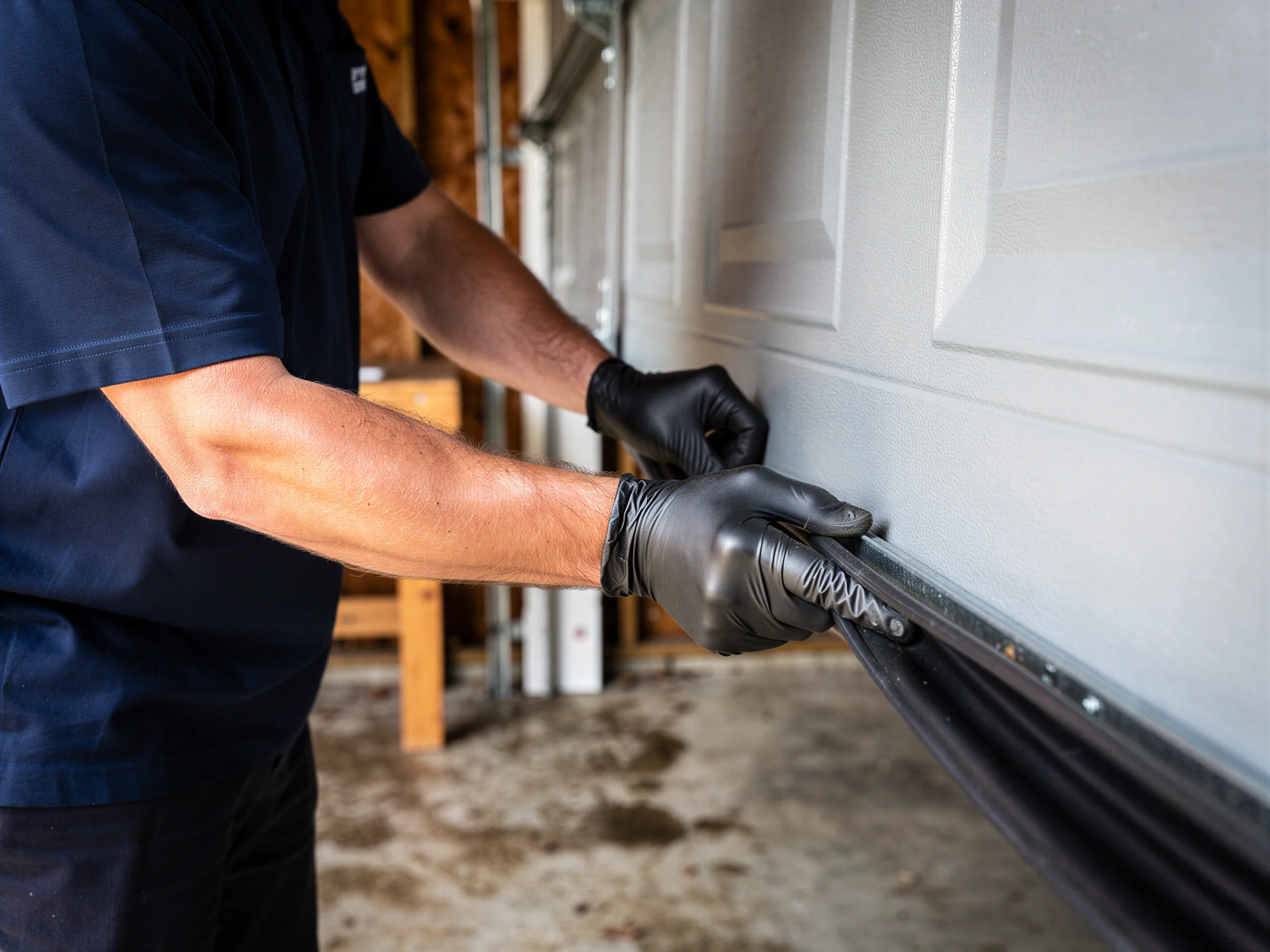
Why This Fails Locally
Shady Hollow sits about 15 miles out from our shop in Lakeway, which changes how a maintenance call here actually works. We're not swinging by on the way to another job - a trip out to Shady Hollow is its own run, so when we come, we come ready to do the whole inspection in one pass rather than diagnose-then-return.
The houses themselves tell a different story than most of the service area. Median build year here is 1987, which puts a lot of doors and openers into their second or even third hardware generation - not original equipment, but not current stuff either. Across the broader area we cover, median build year runs closer to 2001, so Shady Hollow skews noticeably older. That matters because openers from the late 80s and 90s often ran on chain drive with steel rail, paired with torsion springs sized for heavier wood or early steel panels. If a door here has never had a tune-up, the spring tension and the opener's force settings are probably still factory, and factory settings on a 35-year-old unit are usually wrong by now.
With 1,985 households in Shady Hollow, this isn't a huge market, but it's a consistent one - older doors that have aged quietly without anyone touching the hardware.
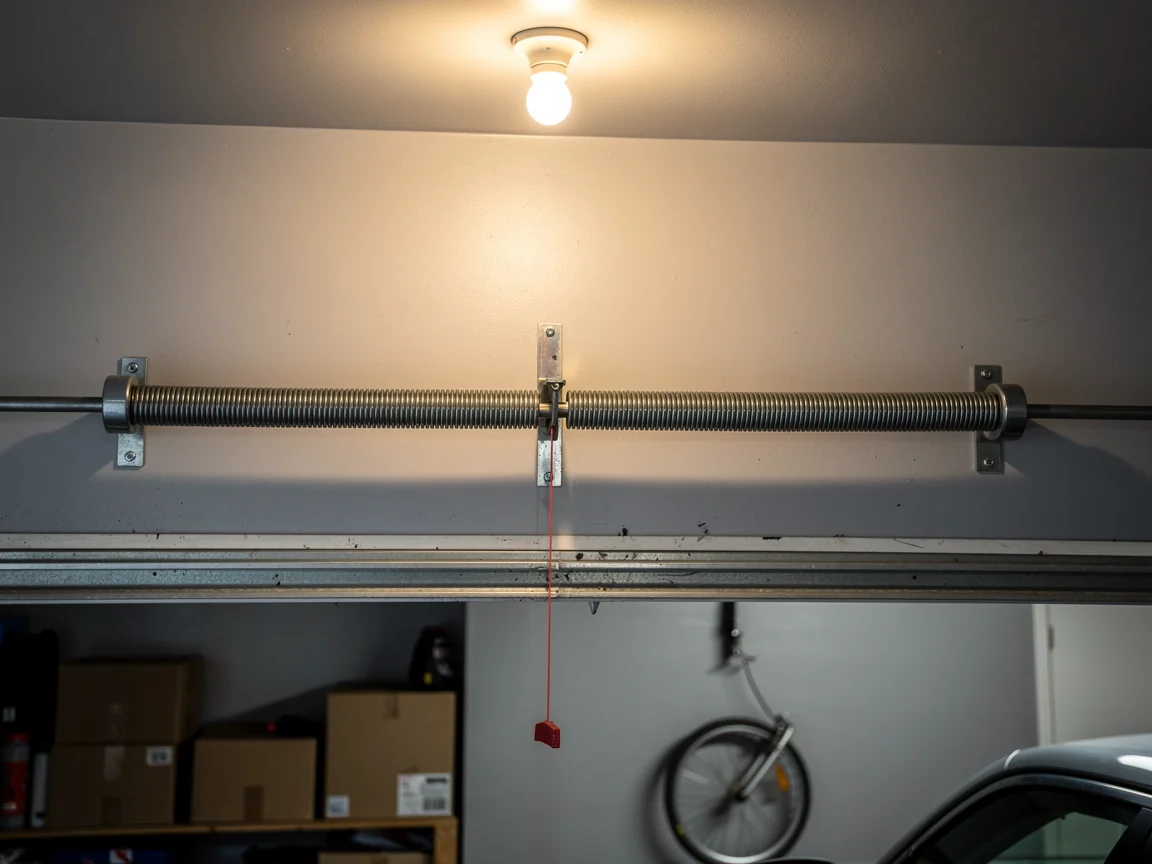
Parts We Carry
On the truck for a Shady Hollow maintenance call, we bring what fits 1980s-vintage residential doors: standard torsion springs in common wind sizes, galvanized lift cables, nylon and steel rollers, and hinges sized for the heavier 1-3/8 inch panel sections common to that era.
Photo-eye sensor kits
We also carry photo-eye safety sensor kits, since a lot of openers from before the mid-90s predate the federal requirement for them and never got the sensors added later. What we don't carry on the truck is anything proprietary - a specific opener manufacturer's circuit board or a discontinued panel style.
Ordering proprietary parts
If a door needs a part like that, we order it and come back, rather than guess at a universal substitute that won't seat right. That's the honest limit here: we can service what's common, but we won't force a part that doesn't match the hardware just to finish in one visit.
Where This Job Goes Sideways
The spot where a routine tune-up turns into a bigger job is almost always the torsion spring on a door that's never been serviced. Springs lose tension slowly over years, and on an older, heavier door from the 1987-era stock common in Shady Hollow, a spring that's 20% weak doesn't look weak - the opener just works harder to compensate, until the opener itself starts to strain and fail.
The other place it goes sideways is the track alignment. Original steel track from that period isn't always reinforced the way current track is, and after three decades it can bow slightly without anyone noticing, since the door still opens and closes. Add a weak spring to a slightly bent track and the opener's gears wear out faster than they should. We catch both during a tune-up before they become a weekend emergency, but if a homeowner's been putting off service for years, there's a real chance we find both at once.
Getting It Booked In
Because Shady Hollow is a dedicated trip from Lakeway rather than a stop on a regular route, booking a maintenance visit works best when it's scheduled rather than same-day.
Pre-visit questions for truck
We'll ask a few questions up front about the door's age and any noise or behavior you've noticed, so the truck is loaded with the right springs and rollers for a door of that vintage before we leave the shop.
Chain-drive clue for age
If you're not sure how old your opener is, the chain-drive-with-steel-rail style common in houses built around 1987 is a good clue - that's the setup we expect to see most often out here.
How Long You Are Without the Door
A standard maintenance visit doesn't take the door out of service for any real stretch - we work section by section, lubricating, adjusting, and testing while the door stays operational between steps. If we find a spring that needs replacing on the spot, that's a short window, usually under an hour, since it's a straightforward swap once we've matched the wind and size.
Where it takes longer is if the opener's gear kit has already failed from running against a weak spring too long - that's a repair, not a tune-up, and we'll tell you up front if that's what we're looking at rather than trying to finish it inside a maintenance slot.
How We Fix It
The tune-up itself follows the same order every time: check spring tension and balance first, since that's the root cause behind most of the failures we see on older Shady Hollow doors. Then track alignment, roller condition, hinge wear, and cable fraying. Last is the opener - force settings, limit switches, and the photo-eye sensors if they're present.
We adjust rather than replace wherever the part is still within spec. A roller with some wear but no flat spots gets lubricated and left alone. A cable with one or two frayed strands gets flagged for next year rather than swapped today - replacing parts that aren't failing yet just runs up the bill without extending the life of the door. The honest version of this job is telling a homeowner what's fine, not just what's wrong.
Questions
Common questions
How often should a garage door in Shady Hollow get serviced?
Once a year is standard for most doors, but if your house dates to the mid-to-late 1980s like a lot of Shady Hollow homes, and it's never had a tune-up, get it looked at sooner. Decades-old torsion springs and chain-drive openers wear in ways that aren't obvious day to day until something breaks.
Do you have a shop in Shady Hollow?
No, we're based in Lakeway, about 15 miles away, and drive out for scheduled visits. We don't offer same-day drop-ins the way we might for jobs closer to the shop, so booking ahead works better for maintenance than for an emergency.
Will you replace parts that aren't broken yet?
No. If a roller or cable still has life left, we note it and leave it. We only replace what's actually worn or out of spec - padding the job with parts that don't need replacing isn't how we do a tune-up.
What's different about maintaining an older door versus a newer one?
Doors from the 1987-era stock common in Shady Hollow usually run heavier panels on chain-drive openers with steel rail, which puts more load on the torsion spring over time. Newer doors in the broader service area, built closer to 2001 on average, tend to run lighter panels and belt-drive openers, so the wear pattern is different.
Explore more
More Services in Shady Hollow
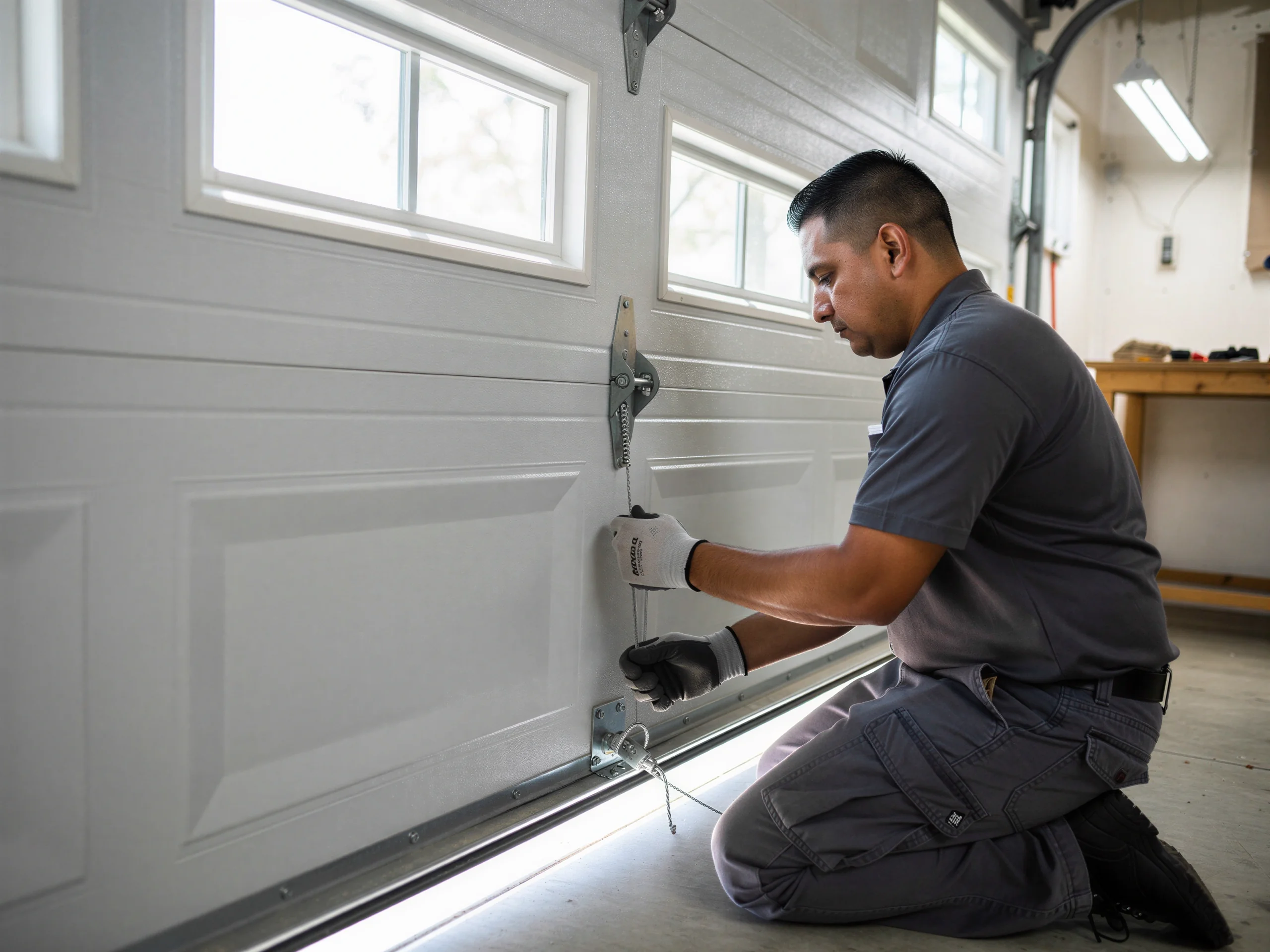
Cable Repair
Shady Hollow homes built mostly in 1987 run different cable and drum setups than newer Lakeway stock. Learn more →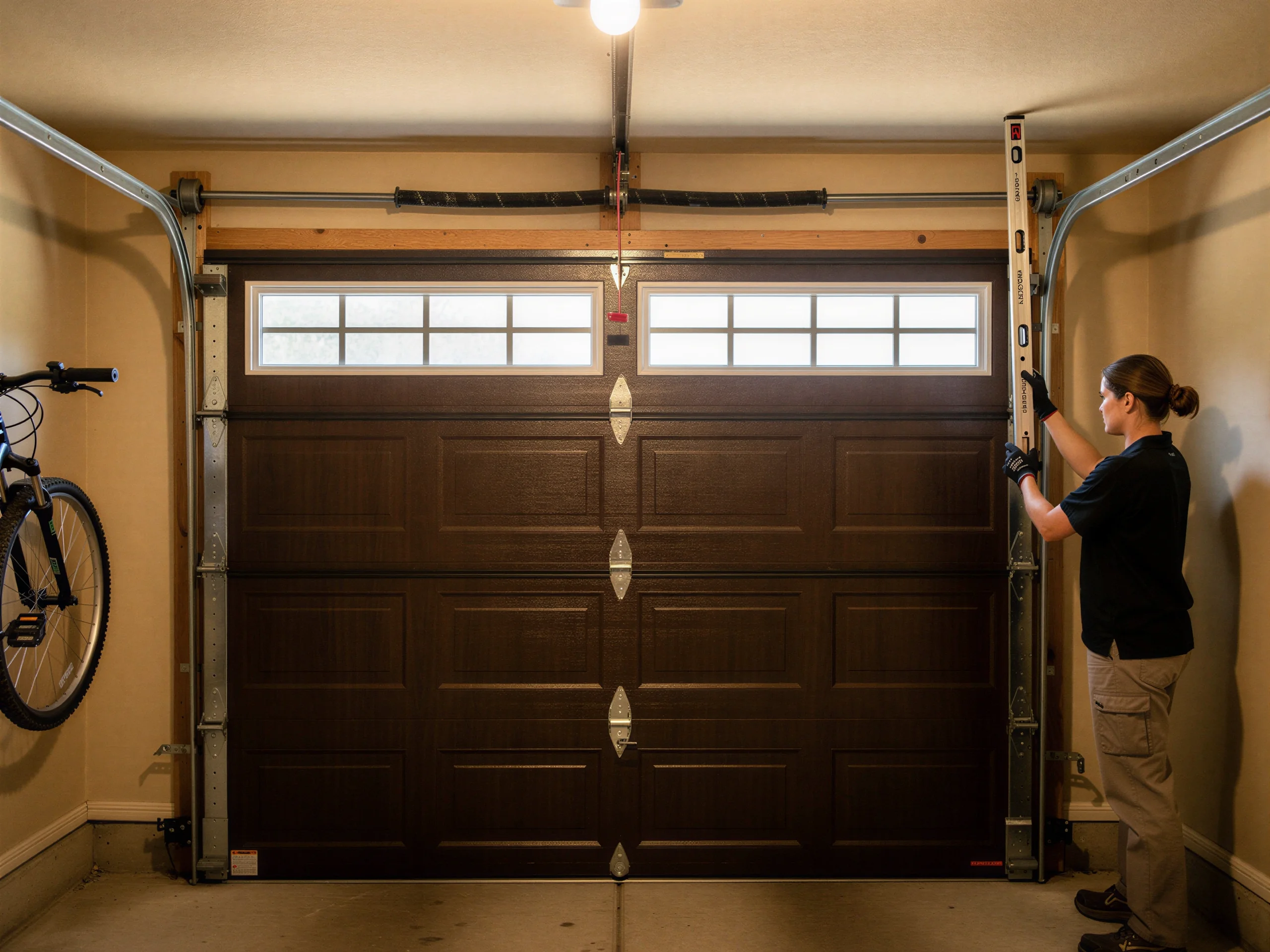
Garage Door Repair
Shady Hollow homes date mostly to 1987, older than the rest of our service area. Learn more →
Garage Door Service
Shady Hollow homes mostly date to 1987 - older than the surrounding area's 2001 median. Learn more →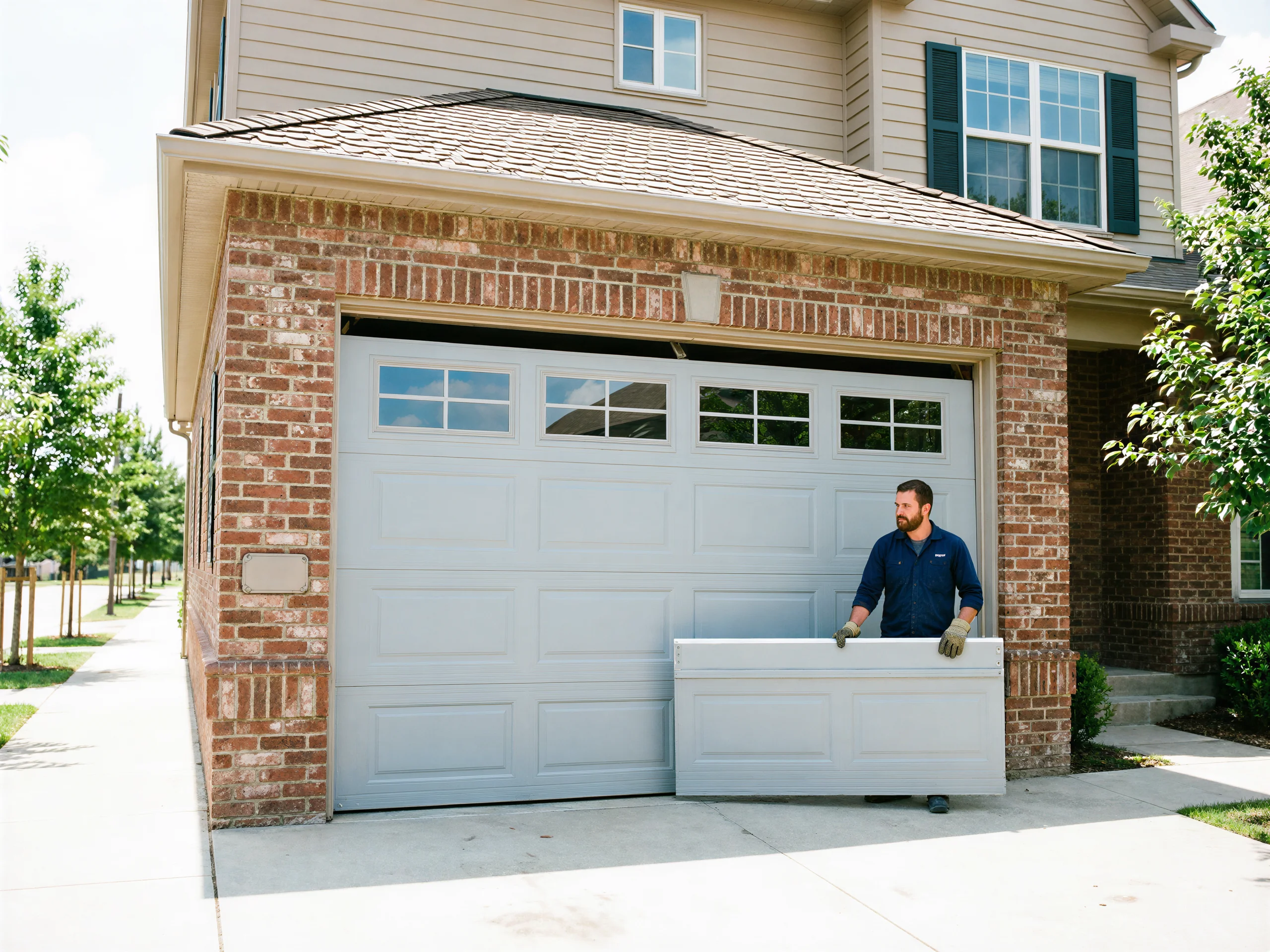
New Door Installation
Most Shady Hollow houses date to about 1987, built with original garage doors long past their service life. Learn more →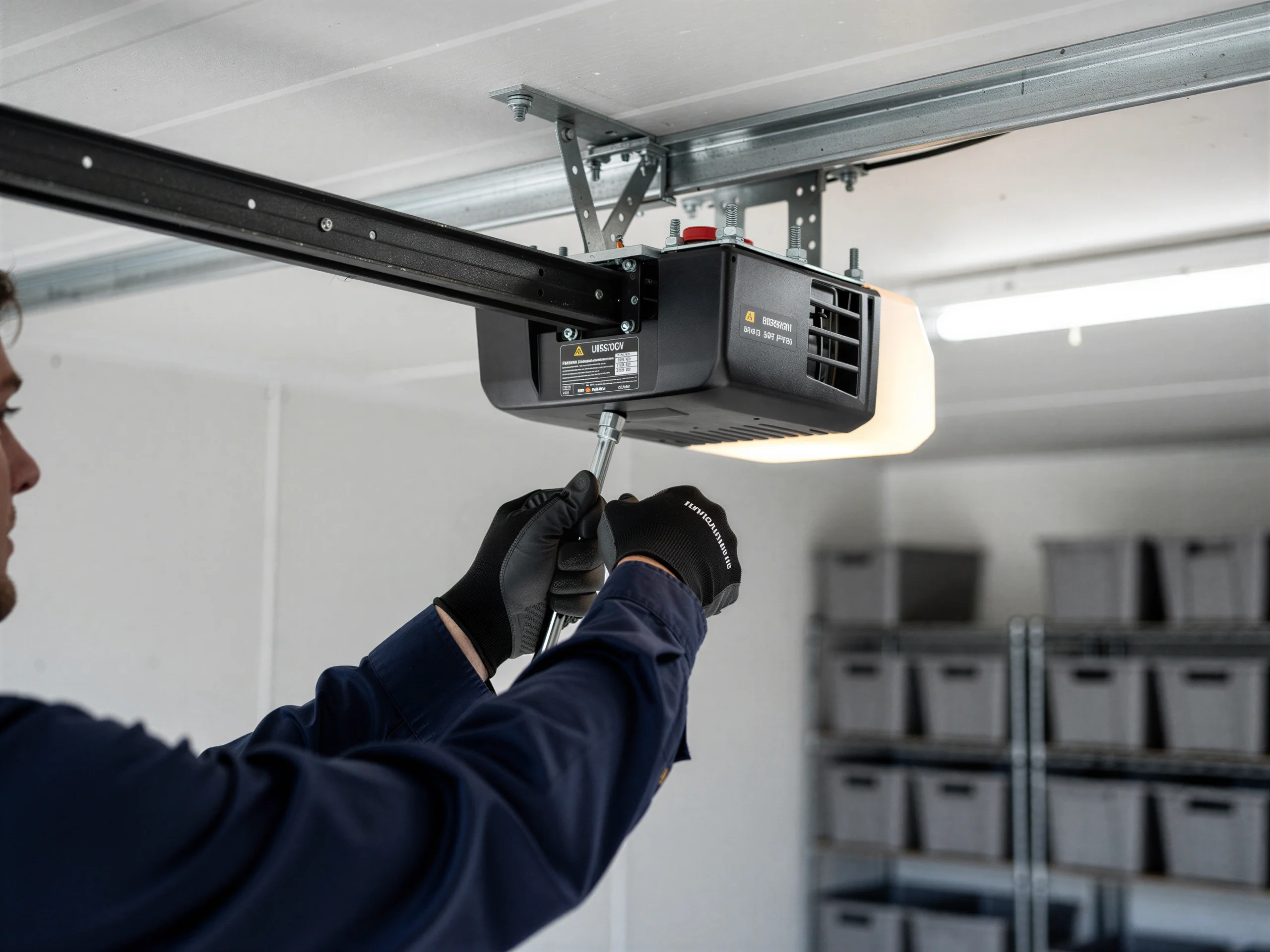
Opener Installation
Opener installs for Shady Hollow's 1987-era housing stock, driven out from Lakeway. Learn more →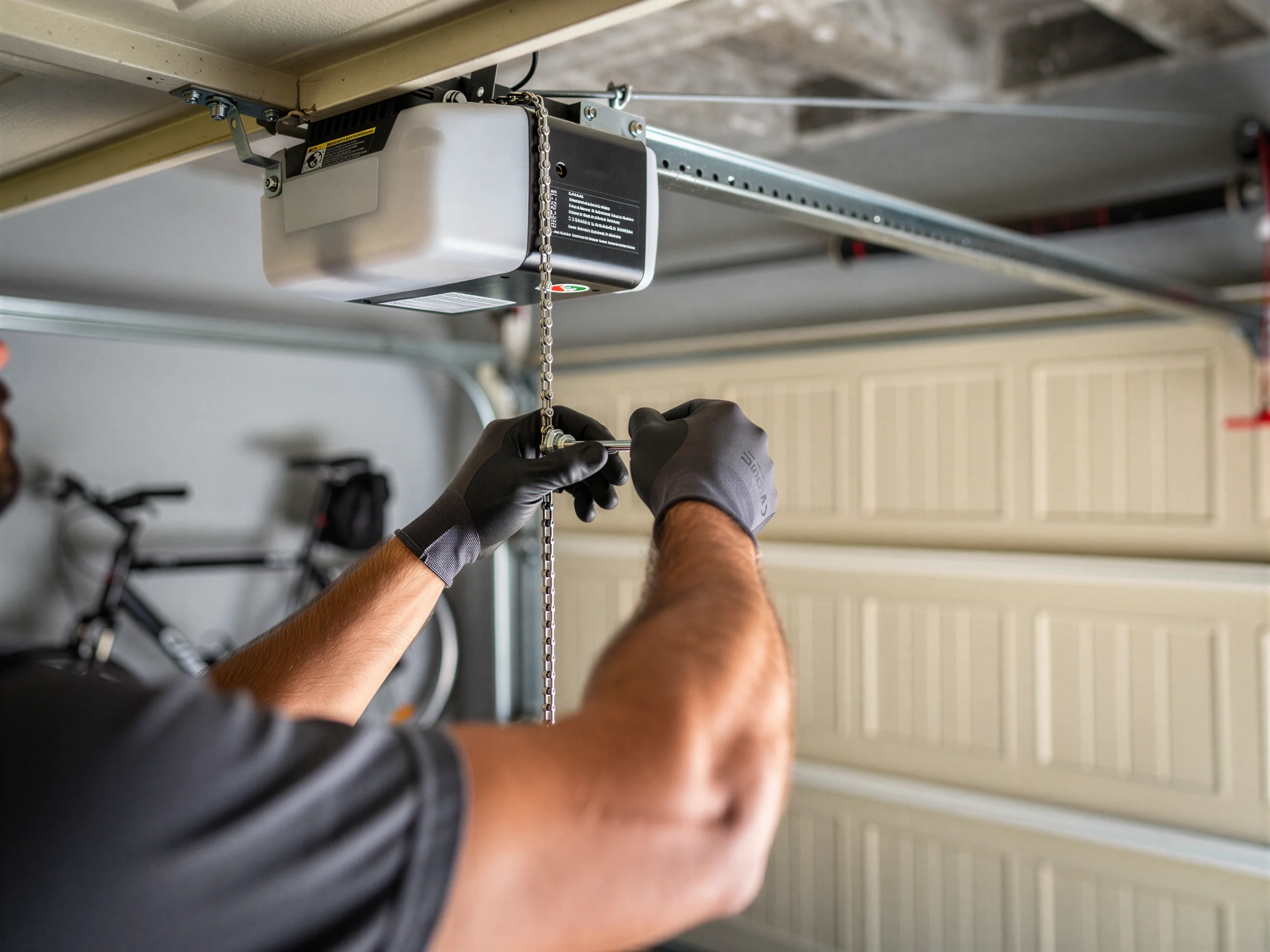
Opener Repair
Opener repair for Shady Hollow, TX homes, most built around 1987, served from Lakeway 15 miles out. Learn more →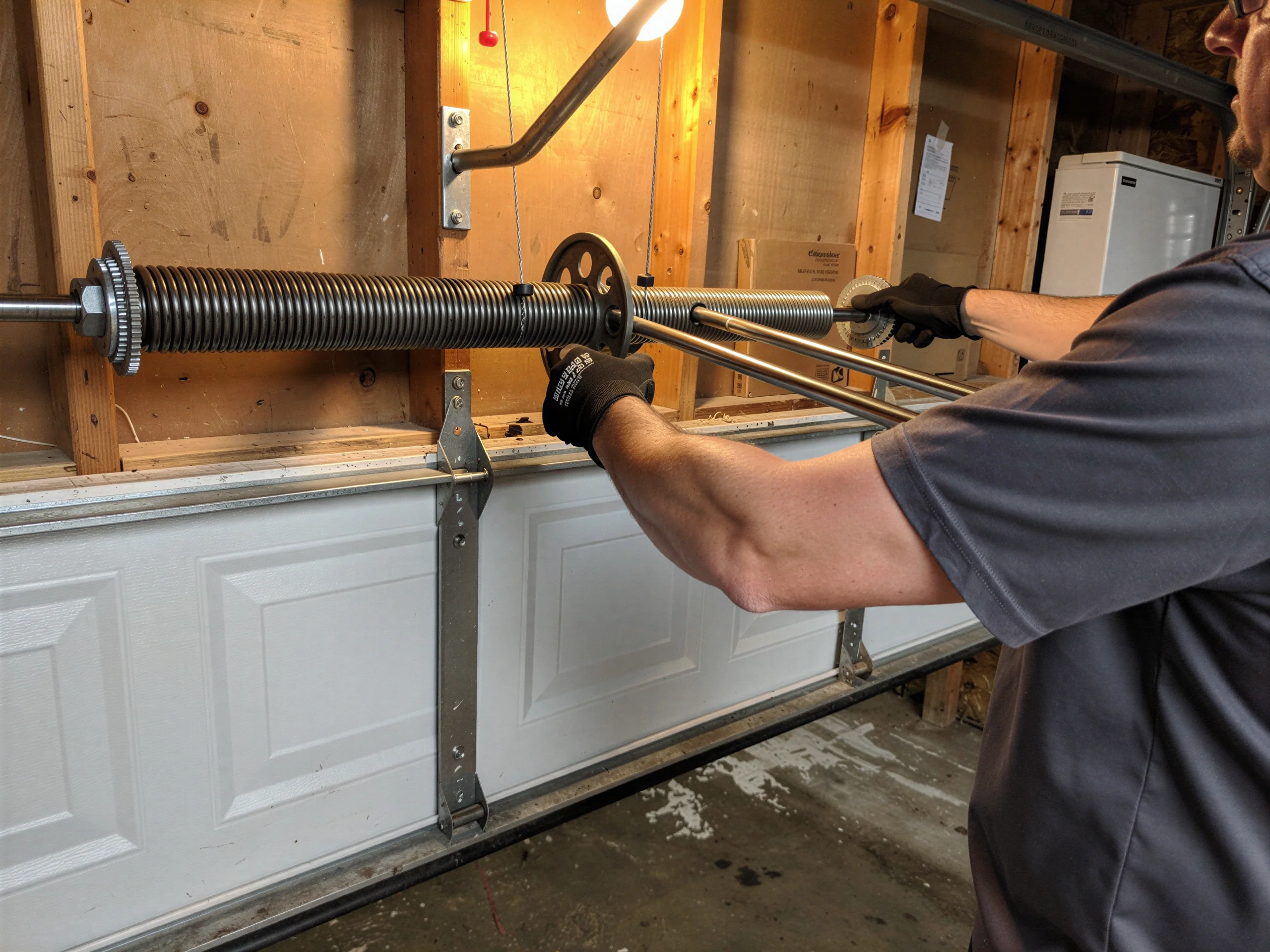
Spring Repair
Shady Hollow homes date to around 1987, a decade ahead of the service area's 2001 median. Learn more →Ready when you are
Time for a garage door tune-up in Shady Hollow?
Lakeway Garage Door Pros repairs and installs garage doors, springs and openers in Lakeway, TX and the surrounding area.